
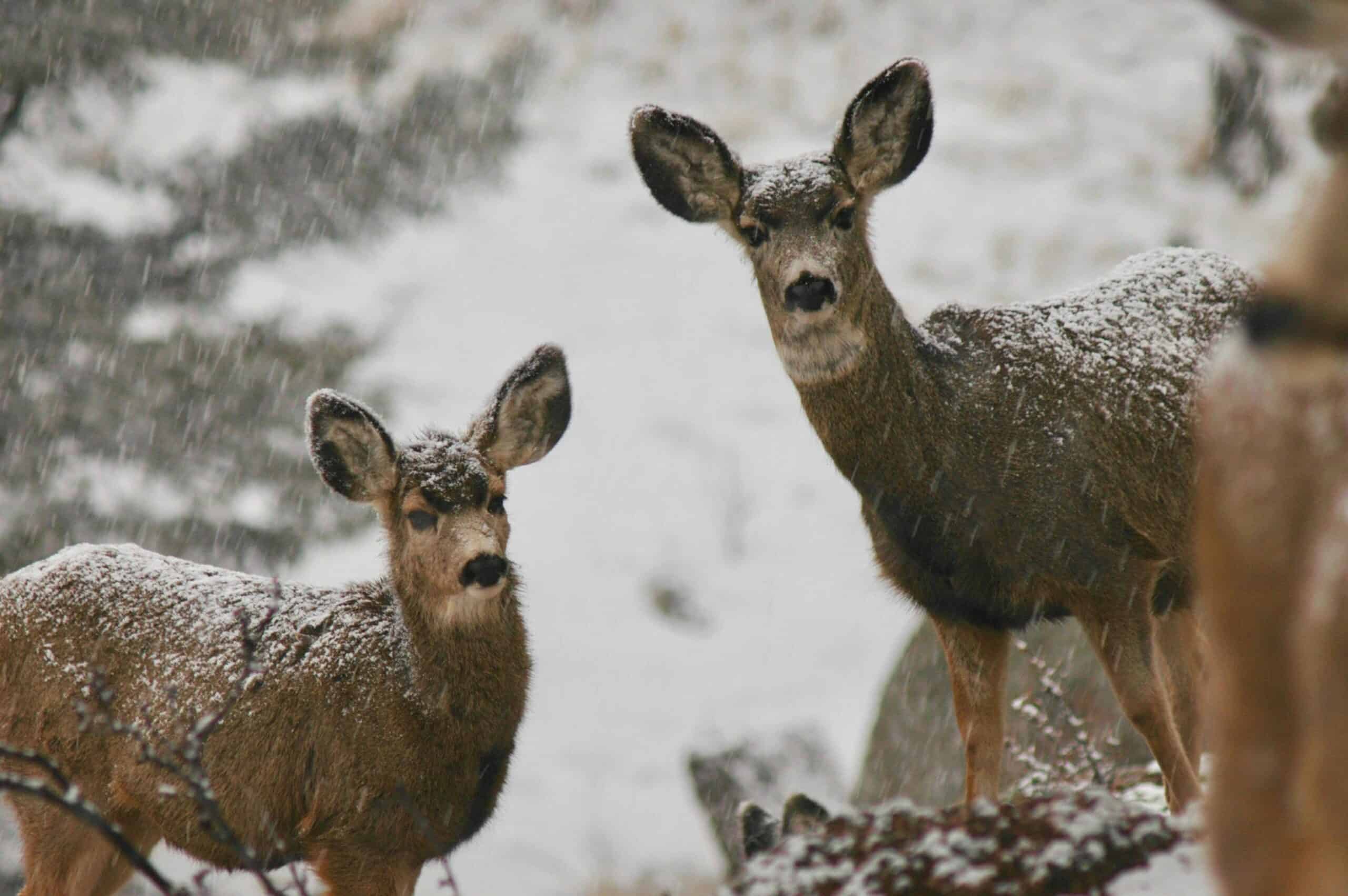
For gardeners and homeowners in deer-prone areas, creating a beautiful garden while keeping deer at bay can be a challenging task. The good news is that certain plants naturally repel deer due to their scent, texture, or toxicity. By incorporating deer repellent plants into your landscape, you can cultivate a thriving, deer-resistant garden. This guide will explore effective strategies for selecting and maintaining these plants, ensuring your garden remains vibrant and untouched by deer.
Understanding Deer Behavior and Plant Selection
Deer are selective feeders, often avoiding plants that have strong scents, fuzzy textures, or bitter tastes. Understanding their behavior is crucial for effective plant selection. They typically prefer young, tender growth and are drawn to gardens with ample food sources. By choosing plants that deer naturally avoid, you can create a more resilient landscape.
When selecting deer resistant plants, consider the following factors:
- Scent: Strongly aromatic plants often deter deer.
- Texture: Fuzzy or prickly leaves can make plants less appealing.
- Toxicity: Some plants contain compounds that are harmful to deer.
Combining these factors in your plant selection can lead to a more effective deer-proof garden.
Top 20 Deer Repellent Plants for Your Garden
Here is a list of 20 deer repellent plants, along with their care instructions:
Lavender (Lavandula spp.)
Soil: Well-drained, sandy soil
Light: Full sun
Water: Moderate; drought-tolerant
Spacing: 12-18 inches apart
Marigold (Tagetes spp.)
Soil: Well-drained, nutrient-rich soil
Light: Full sun
Water: Regular; keep soil moist
Spacing: 10-12 inches apart
Rosemary (Rosmarinus officinalis)
Soil: Well-drained, sandy soil
Light: Full sun
Water: Low; drought-tolerant
Spacing: 24-36 inches apart
Thyme (Thymus spp.)
Soil: Well-drained, light soil
Light: Full sun
Water: Low; drought-tolerant
Spacing: 12-18 inches apart
Mint (Mentha spp.)
Soil: Moist, well-drained soil
Light: Partial shade to full sun
Water: Regular; keep soil moist
Spacing: 18-24 inches apart
Catmint (Nepeta spp.)
Soil: Well-drained soil
Light: Full sun
Water: Moderate
Spacing: 18-24 inches apart
Fennel (Foeniculum vulgare)
Soil: Well-drained, fertile soil
Light: Full sun
Water: Moderate
Spacing: 18-24 inches apart
Chives (Allium schoenoprasum)
Soil: Well-drained, rich soil
Light: Full sun to partial shade
Water: Moderate
Spacing: 12 inches apart
Garlic (Allium sativum)
Soil: Well-drained, fertile soil
Light: Full sun
Water: Moderate
Spacing: 4-6 inches apart
Salvia (Salvia spp.)
Soil: Well-drained soil
Light: Full sun
Water: Moderate; drought-tolerant
Spacing: 12-18 inches apart
Peony (Paeonia spp.)
Soil: Well-drained, loamy soil
Light: Full sun to partial shade
Water: Moderate
Spacing: 24-36 inches apart
Hellebore (Helleborus spp.)
Soil: Well-drained, rich soil
Light: Partial to full shade
Water: Moderate
Spacing: 18-24 inches apart
Foxglove (Digitalis spp.)
Soil: Well-drained, fertile soil
Light: Partial shade
Water: Moderate
Spacing: 12-18 inches apart
Yarrow (Achillea millefolium)
Soil: Well-drained, poor soil
Light: Full sun
Water: Low; drought-tolerant
Spacing: 12-18 inches apart
Butterfly Bush (Buddleja spp.)
Soil: Well-drained soil
Light: Full sun
Water: Moderate
Spacing: 4-6 feet apart
Barberry (Berberis spp.)
Soil: Well-drained soil
Light: Full sun to partial shade
Water: Moderate
Spacing: 3-4 feet apart
Spirea (Spiraea spp.)
Soil: Well-drained soil
Light: Full sun to partial shade
Water: Moderate
Spacing: 3-4 feet apart
Juniper (Juniperus spp.)
Soil: Well-drained soil
Light: Full sun
Water: Low; drought-tolerant
Spacing: 3-10 feet apart, depending on variety
Snapdragon (Antirrhinum majus)
Soil: Well-drained, fertile soil
Light: Full sun to partial shade
Water: Moderate
Spacing: 10-12 inches apart
How to Design a Deer-Resistant Landscape
Creating a deer-resistant landscape involves strategic planning and plant placement. Here are some effective design strategies:
- Layering: Use taller plants as a backdrop and shorter ones in the front to create visual interest while maximizing deer resistance.
- Grouping: Plant deer repellent plants in clusters rather than scattering them throughout the garden. This creates a more effective barrier.
- Using Fencing: Consider incorporating physical barriers such as fences, especially for young plants that are more vulnerable.
- Incorporating Hardscaping: Use rocks, mulch, and paths to create barriers and discourage deer from entering your garden.
By thoughtfully designing your garden with these principles, you can enhance its aesthetic appeal while minimizing deer encounters.
Step-by-Step Care Guide for Deer Repellent Plants
Proper care is essential for the health and effectiveness of deer repellent plants. Follow these guidelines for optimal results:
- Soil Preparation: Test your soil to determine pH and nutrient levels. Amend as necessary to create well-drained, fertile soil.
- Watering: Ensure consistent moisture, particularly during the establishment phase. Adjust watering frequency based on seasonal rainfall.
- Fertilization: Use a balanced fertilizer during the growing season to promote healthy growth.
- Pruning: Regularly prune plants to remove dead or damaged foliage and encourage bushier growth.
- Mulching: Apply mulch to retain soil moisture and suppress weeds, which can compete with your deer-resistant plants.
Seasonal Maintenance Checklist
To maintain a thriving deer-proof garden, follow this seasonal checklist:
Spring
- Test soil and amend as needed.
- Plant new deer repellent plants.
- Apply a balanced fertilizer.
Summer
- Water consistently, especially during dry spells.
- Monitor for pests and diseases.
- Deadhead spent flowers to encourage blooming.
Fall
- Cut back perennials after they die back.
- Apply mulch to protect roots during winter.
- Prepare soil for winter by adding organic matter.
Winter
- Inspect for any damage from snow or ice.
- Plan for spring planting and garden layout.
Common Problems and Solutions
Even with proper care, you may encounter issues in your deer-resistant garden. Here are common problems and solutions:
- Pests: Look for signs of insect damage, such as holes in leaves. Use organic insecticides or introduce beneficial insects like ladybugs.
- Disease: Watch for yellowing leaves or wilting. Ensure proper air circulation and avoid overhead watering to reduce fungal diseases.
- Deer Damage: If you notice deer nibbling on your plants, consider adding more strongly scented or textured plants as a deterrent.
Essential Tools and Safety Tips
Equipping yourself with the right tools makes gardening more efficient and enjoyable. Here’s a list of essential tools:
- Hand Trowel: For planting and digging small holes.
- Pruning Shears: For trimming and maintaining plant health.
- Garden Fork: For loosening soil and mixing compost.
- Watering Can: For targeted watering.
- Gloves: To protect hands from thorns and irritants.
When handling plants and gardening tools, keep these safety tips in mind:
- Always wear gloves when working with potentially toxic plants.
- Be cautious of sharp tools and wear closed-toed shoes.