
- ENTERTAINMENT
The Meaning Behind Adele’s Ten Tattoos

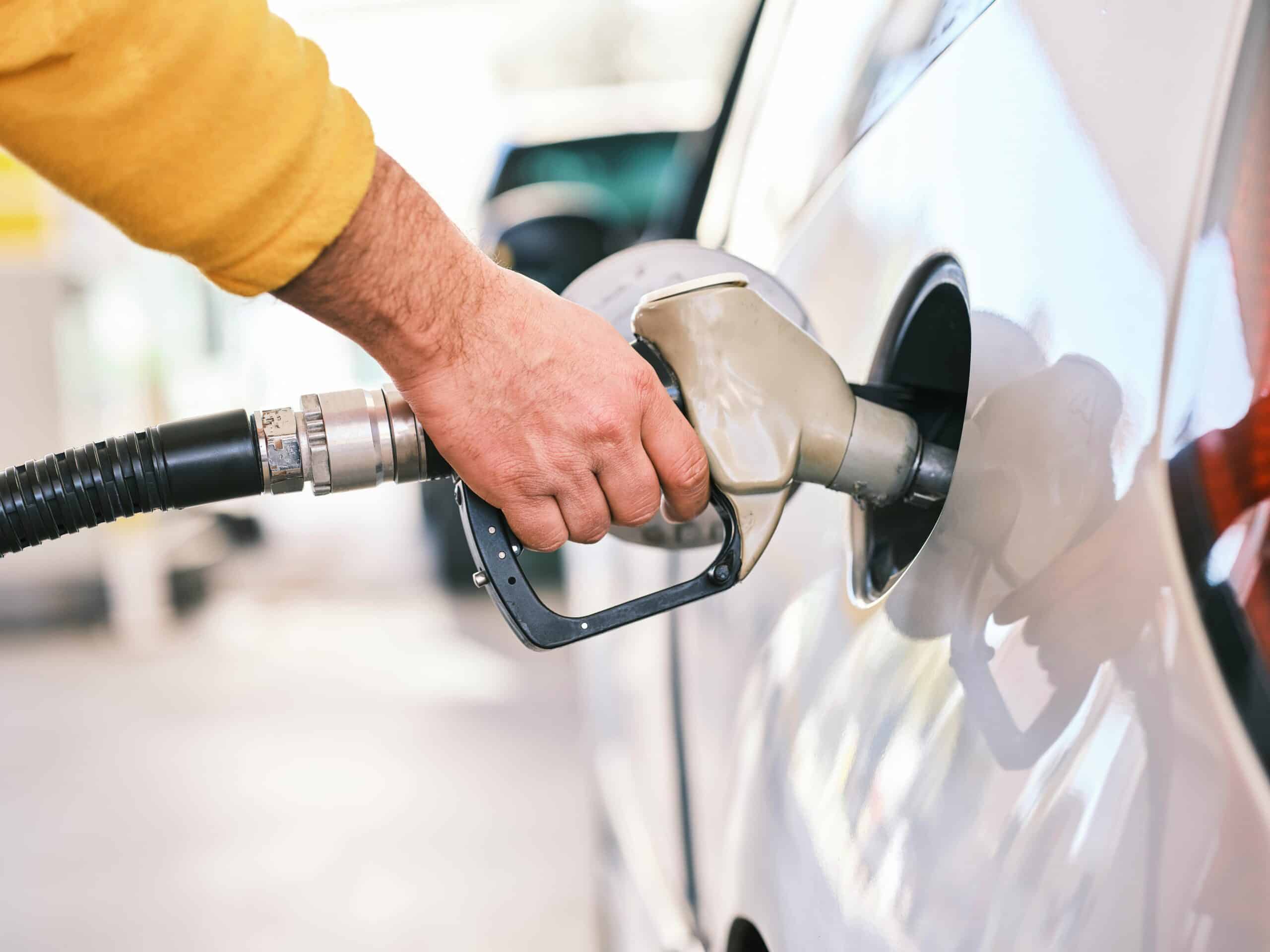
Most drivers have done it. You see the fuel light come on, tell yourself you can make it one more day, and keep going until the gauge is almost hugging empty. It feels harmless, especially if the car is still running fine. But making a habit of driving on a near-empty tank is one of those small things that can turn into an annoying and expensive problem later.
The general rule is simple: try to keep at least a quarter tank of gas in your vehicle. That advice comes up again and again because modern fuel pumps are often cooled and lubricated by the gasoline in the tank, which means regularly driving too low on fuel can increase wear. AAA also recommends keeping at least a quarter tank for both vehicle health and emergency readiness.
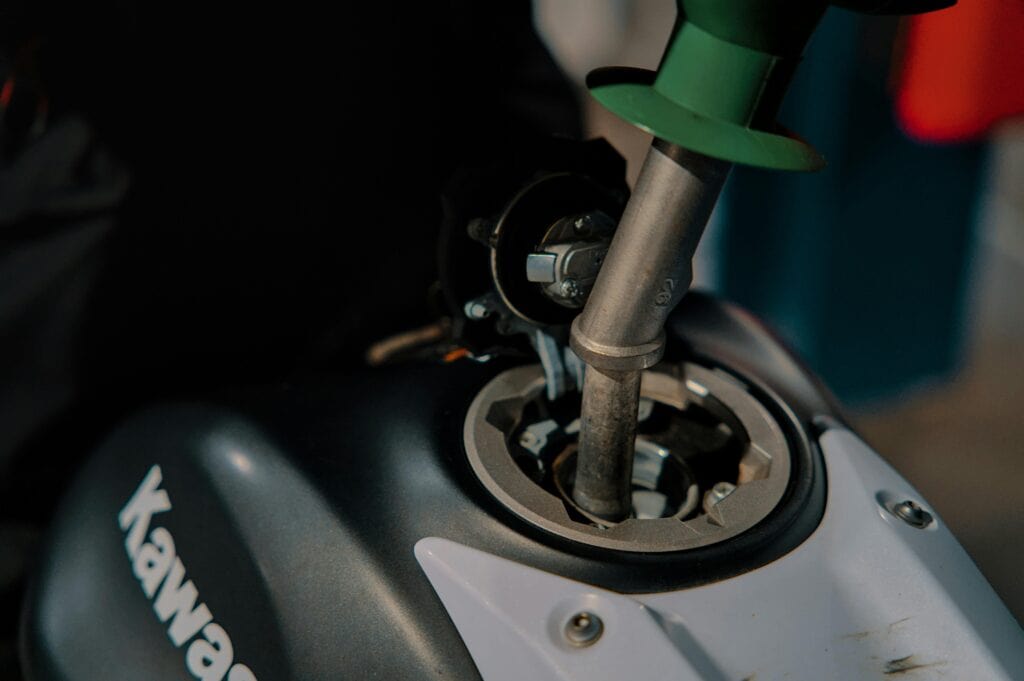
A quarter tank is the practical sweet spot for most drivers. It gives you enough fuel to avoid pushing your car into the danger zone while still letting you time fill-ups around your schedule or gas prices. Reader’s Digest’s referenced article also points to this same threshold, noting that running below a quarter tank too often can create avoidable wear on the fuel system.
That does not mean your car will instantly be damaged the moment the needle dips below that line once. The bigger issue is habit. If you are constantly driving until the low-fuel warning comes on, then stretching it even further, you are increasing the odds of fuel pump stress, poor performance, and the classic “I thought I had more miles left” mistake. AAA specifically warns not to rely too heavily on the miles-to-empty display and advises keeping a buffer instead.
One of the biggest reasons mechanics warn against running on fumes is the fuel pump. In many modern cars, the fuel pump sits inside the gas tank, and the fuel helps keep it cool. When the tank is regularly very low, the pump may run hotter and wear out faster. AAA says this can shorten the pump’s lifespan, and replacement can cost hundreds of dollars.
There is also the issue of debris and moisture. Low fuel levels can make it easier for sediment at the bottom of the tank to be pulled into the system, which may clog filters over time. AAA also notes that extra empty space in the tank can allow humid air in, which raises the chance of moisture and condensation inside the tank.
For daily commuting, a quarter tank is a solid minimum. But if you drive long distances, commute through traffic-heavy areas, or travel in extreme weather, half a tank is even safer. AAA notes that many drivers prefer refueling at half a tank on trips because it leaves a larger reserve if traffic stalls, weather changes, or stations are harder to find than expected.
This is especially smart during winter, summer road trips, or late-night driving. A bigger reserve gives you flexibility, and it lowers the chance of getting stranded somewhere inconvenient.
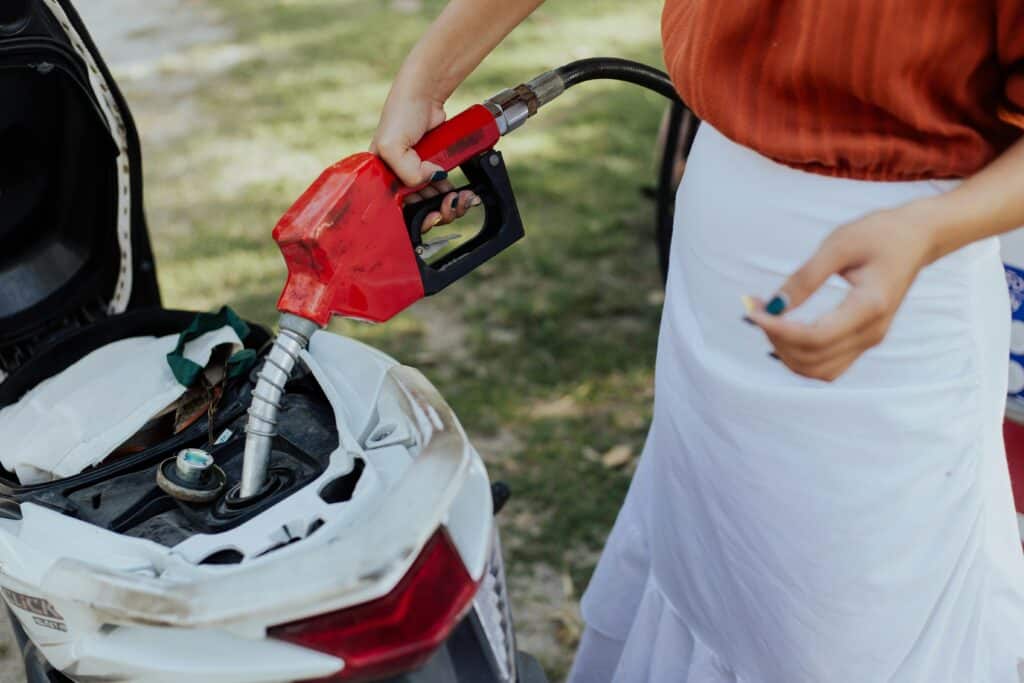
If you drive a diesel, the advice is even stricter. AAA warns that running a diesel vehicle dry can allow air into the fuel system, which may require priming or purging before the engine can restart. That can be more than just inconvenient. It can turn into a time-consuming and sometimes costly fix.
Some drivers worry so much about running low that they swing the other way and keep forcing more fuel into the tank after the pump clicks off. That is not a good habit either. AAA says overfilling can damage the evaporative emissions system, which may lead to repair bills and drivability problems.
So the goal is not “always full.” It is “not too low, not overfilled.”
If you want one easy answer, here it is: refill your tank before it drops below one-quarter. That is the smartest everyday rule for most gas-powered vehicles. It helps protect the fuel pump, gives you a safety buffer, and saves you from the stress of gambling on the next few miles.
A lot of car advice feels overly dramatic. This one is not. Keeping more fuel in the tank is a small habit, but it is one of those practical moves that can save money, reduce stress, and make your car a little happier over the long run.