


- HUMOR
60 Hilarious Chicken Puns to Make You Cluck

The world is filled with strange, hilarious, and oddly fascinating facts that prove reality can be funnier than fiction. Whether it’s animals with ridiculous talents, foods with surprising scientific twists, or bizarre moments from history, these facts remind us that learning doesn’t have to be boring. This collection brings together some funny, random facts . Each gives you just enough detail to laugh, wonder, and share with friends. Get ready to enter a world where curiosity meets comedy.
Botanically, bananas fit the scientific definition of berries because they develop from a single flower with one ovary. Strawberries don’t count as berries since their seeds sit on the outside, which disqualifies them. This fact flips our assumptions about fruit categories completely upside down. Nature clearly enjoys messing with human logic.
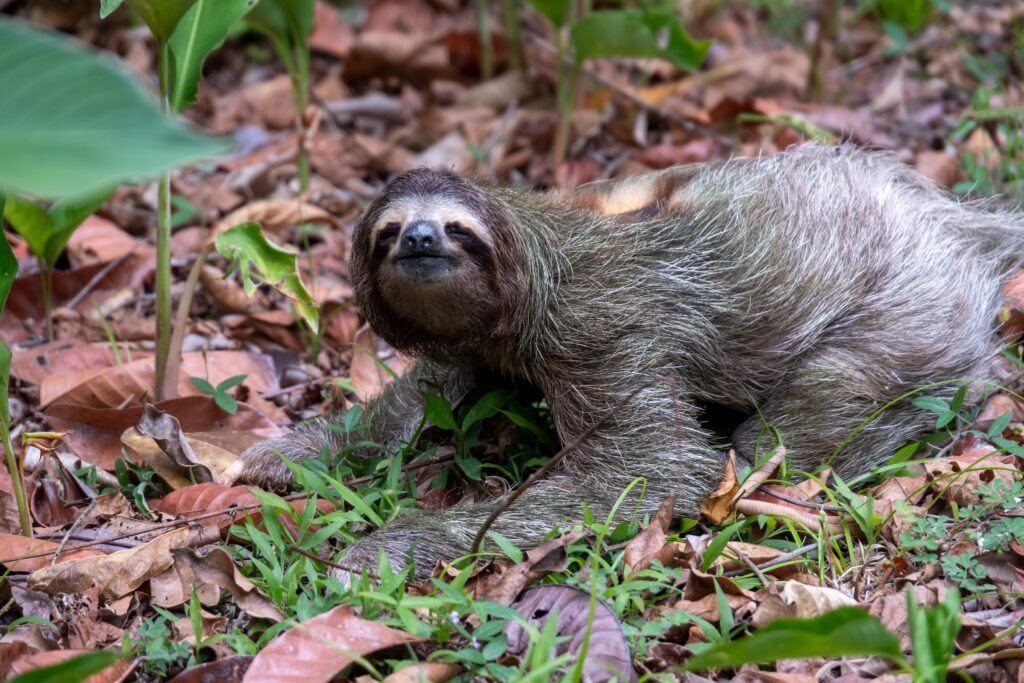
Sloths slow their heart rate dramatically, which lets them stay underwater for up to 40 minutes. Dolphins, despite being powerful swimmers, need to surface every 10 minutes or less. This unexpected advantage makes sloths the secret champions of slow-motion underwater survival. They prove that speed isn’t everything.
The name fits perfectly because these bright pink birds always look like they’re dressed for a photoshoot. Scientists actually use this term officially. It’s one of the most glamorous collective nouns in the animal kingdom.
Wombats produce poop shaped like tiny cubes, and scientists think it’s because of how their intestines shape and compress waste. This helps the poop stay in place rather than rolling away. It’s one of nature’s funniest engineering moments.
They link paws to keep from drifting apart in water currents, a behavior known as “rafting.” This bonding habit helps families and partners stay close throughout the night. Watching them float together looks unbelievably cute. It’s practical and heartwarming at the same time.
Two hearts pump blood to the gills while one circulates it through the rest of the body. Their blue blood comes from hemocyanin, a copper-based molecule that works well in cold waters. This makes octopuses uniquely suited for deep-sea life. They’re like living science fiction creatures.
From “snaw” to “feefle,” Scots invented countless terms to describe snow’s many forms. These words reflect centuries of living in a cold, snowy climate. It shows how language evolves around environment and culture. It’s also a fun reminder of how creative humans can be with vocabulary.
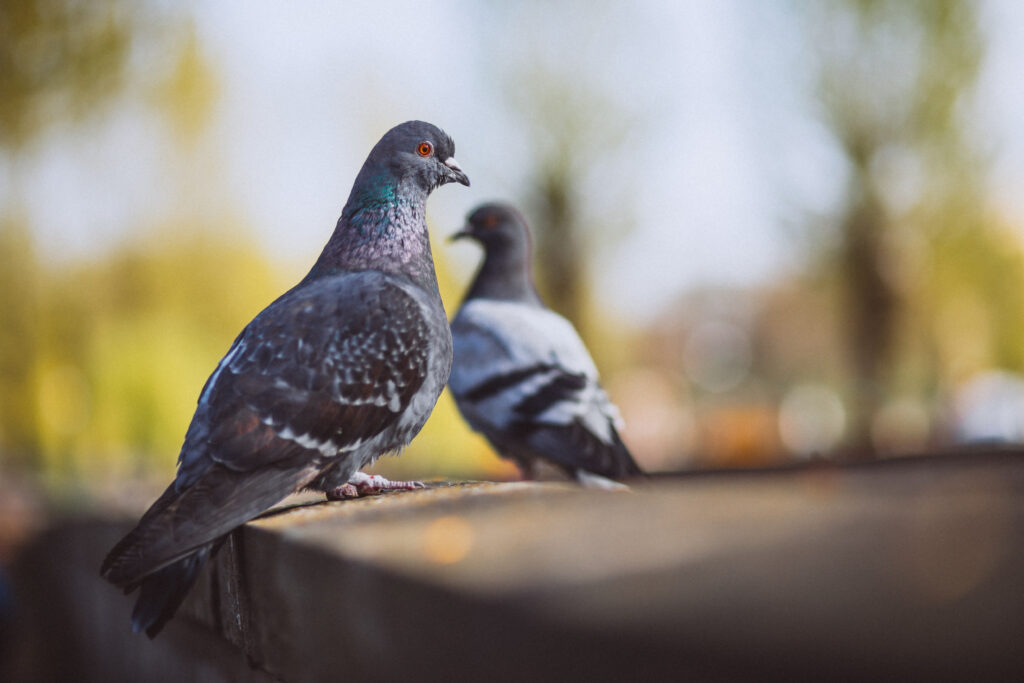
Studies show pigeons can recognize and organize numbers in sequence, similar to how humans learn patterns. They’ve even performed comparably to monkeys in simple math tests. This challenges their reputation as “simple birds.” Next time you see a pigeon, remember—it might be smarter than you think.
Research reveals that cows form special bonds and tend to stay close to their favorite companions. When separated, their stress levels rise noticeably. They relax again once reunited with their best friend. It’s surprisingly wholesome—and a little relatable.
Sharks have been around for over 400 million years, predating trees by millions of years. That means they swam Earth’s oceans before forests even existed. Their survival through multiple mass extinctions is incredible. They’re truly ancient kings of the deep.
That adorable head tilt actually helps dogs adjust their ears and vision to interpret human speech. It allows them to figure out where sounds come from and what they mean. This behavior strengthens the communication bond between dogs and humans. It’s cute and scientifically useful.
Their eucalyptus diet is low in nutrients, so they rest most of the day to conserve energy. This makes them one of the sleepiest animals on Earth. Koalas spend only a tiny portion of their day awake. They basically live the ultimate lazy lifestyle.
Its natural composition prevents bacteria and microorganisms from growing. Archaeologists even found edible honey in ancient Egyptian tombs thousands of years old. Honey’s low moisture and high acidity create a protective environment. It’s one of Earth’s most durable foods.
Heat causes the metal structure to expand, making the tower grow up to 6 inches taller. When temperatures cool down, it shrinks back. This seasonal “mood swing” happens every year. Even iconic monuments aren’t immune to science.
Their feet have taste receptors that help them check whether a plant is suitable for laying eggs. When a butterfly lands, it’s essentially “tasting” the surface immediately. This unique ability helps ensure survival for the next generation. It’s a strange but fascinating superpower.
Despite the myth, goldfish can remember events for months. They can learn tricks, recognize sounds, and respond to training. Research shows they have impressive cognitive functions. They’re small but surprisingly capable thinkers.
During winter, certain turtles use “cloacal respiration,” absorbing oxygen through their backside. This helps them survive months underwater when breathing normally isn’t possible. It’s a weird but effective biological adaptation. Nature truly has no shame.
Male penguins search for the smoothest pebble to offer a female as a symbol of partnership. If she accepts, they form a long-lasting bond. It’s like nature’s version of an engagement ring. Cute, simple, and surprisingly romantic.
Certain frogs allow their bodies to freeze during winter, with their hearts actually stopping. Their internal “antifreeze” prevents cell damage. When spring arrives, they thaw and hop away like nothing happened. They’re real-life resurrection creatures.
They lack the specific taste receptors that detect sugar. So while humans crave desserts, cats feel nothing toward sweets. This explains their picky eating habits. Their world is full of savory flavors only.
Funny facts add a little joy to everyday life by showing us how wonderfully weird the world truly is. From cube-shaped wombat poop to penguin proposals, each fact highlights a part of science or nature that’s both surprising and entertaining. These moments remind us that curiosity leads to laughter, learning, and endless fascination. Keep exploring—you never know what strange new fact you’ll discover next.