


- MISC
How to Write an Email to a Teacher the Right Way

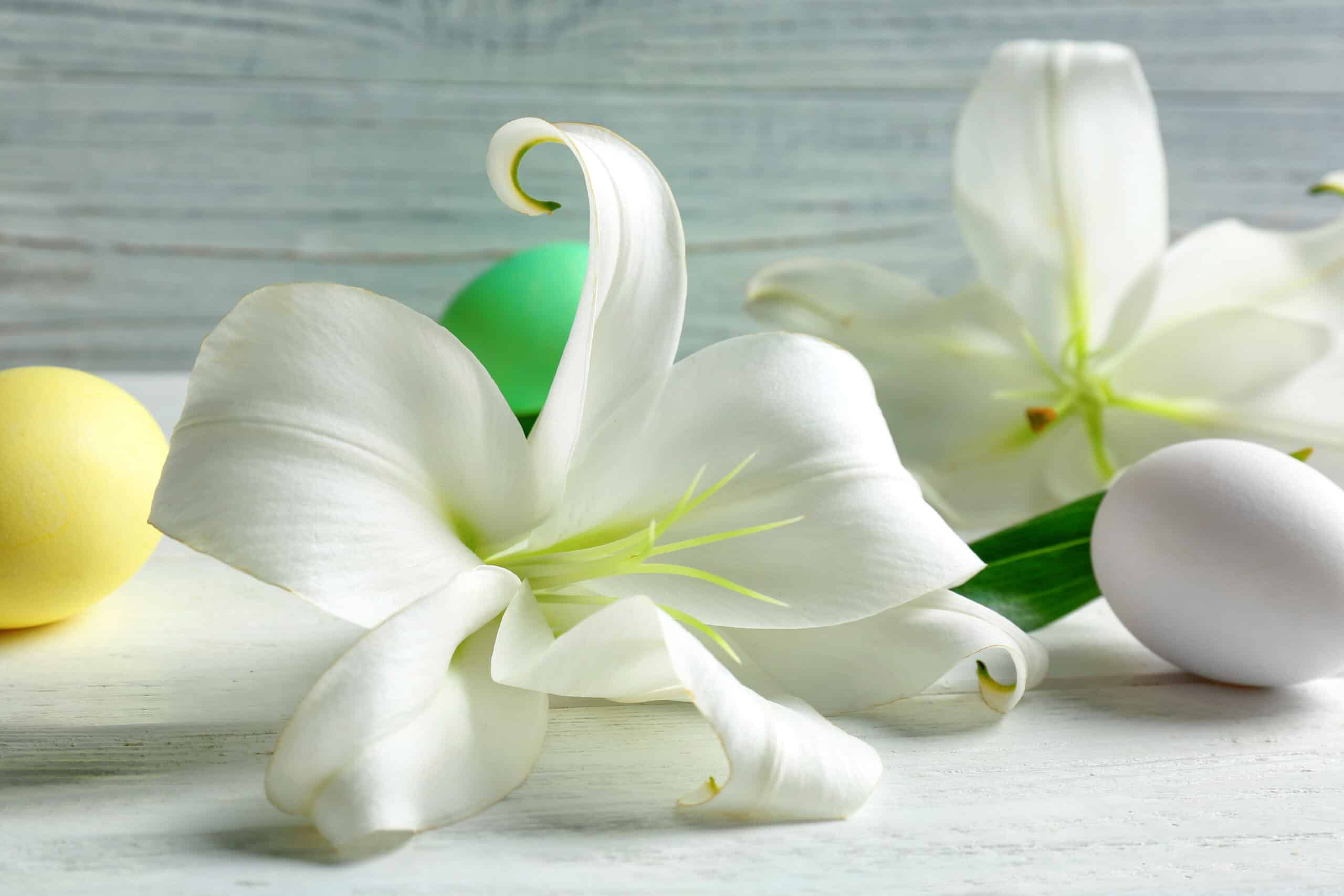
You see Easter lilies every spring in church displays, front porches, grocery store floral sections, and family tables, and they always seem to carry a little more weight than an ordinary bouquet. They are beautiful, yes, but they also feel ceremonial. That is because the Easter lily has long been tied to ideas of purity, hope, rebirth, and the resurrection of Jesus Christ.
The strongest meaning of the Easter lily comes from Christianity. It is widely associated with the resurrection of Jesus Christ, and that is the main reason it became such a recognizable Easter flower. The white bloom is often linked with Christ’s purity, while the plant’s life cycle is seen as a symbol of death followed by renewed life.
Its trumpet-shaped blooms also add to the symbolism. Many people see them as a sign of joy, victory, and the announcement of resurrection. That image helps explain why the flower feels so fitting in Easter services.
White flowers already carry a strong symbolic meaning, and the Easter lily leans into that fully. White is usually linked with purity, grace, innocence, and peace, which is why the flower feels so fitting for Easter worship, spring celebrations, baptisms, and memorial settings.
This is also why the flower can feel both joyful and solemn at the same time. It works in Easter displays because it speaks to new life, but it also appears in remembrance settings because purity, peace, and spiritual hope overlap with mourning.
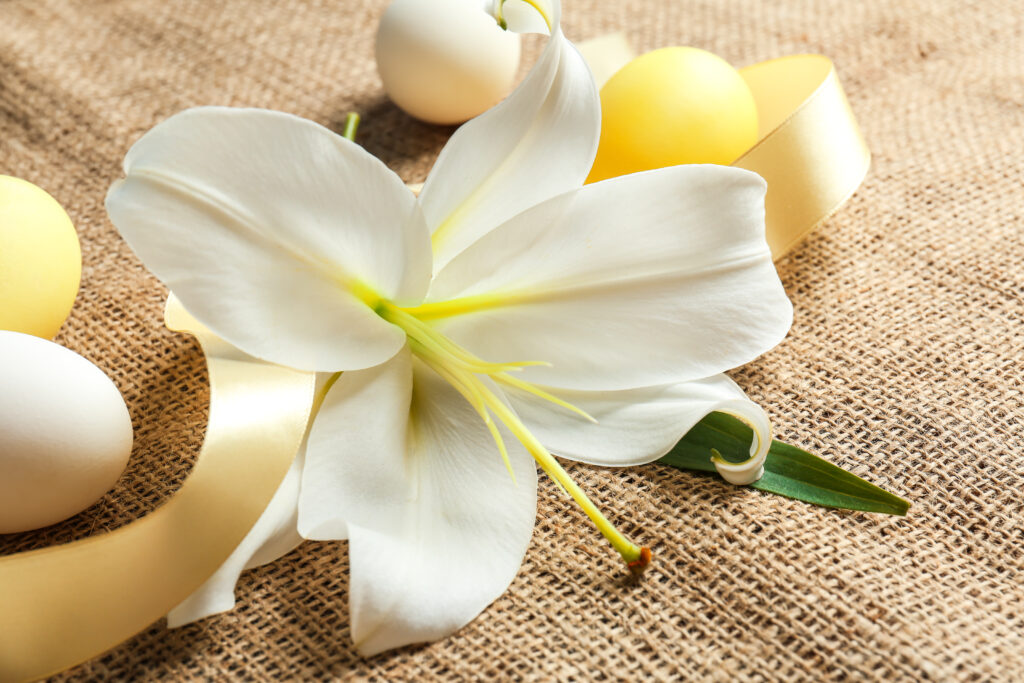
In Christian symbolism, the Easter lily is usually read in three main ways.
The white bloom is often taken as a sign of Christ’s purity and freedom from sin. Some traditions also connect white lilies to the Virgin Mary and her purity.
This is the biggest one. The Easter lily is closely linked with the resurrection of Jesus Christ, which is why churches decorate with it during Easter.
Because the flower blooms in spring and is tied to resurrection imagery, it also came to stand for hope, renewal, and the promise of eternal life.
Not entirely. Even outside explicitly Christian settings, people often read the Easter lily as a symbol of spring, fresh starts, grace, and new beginnings. That broader meaning is part of why it still works as a seasonal gift or a spring flower for the home.
So if someone gives you an Easter lily, the message is often gentle and positive even when it is not deeply religious. It can suggest care, peace, renewal, or a wish for a hopeful new season.
This part surprises people sometimes, but it actually fits the symbolism perfectly. Easter lilies are often used in Christian funeral settings because they symbolize purity, resurrection, and the hope of life after death.
That does not make them gloomy flowers. It just means they carry a deeper spiritual meaning than a lot of other spring blooms. That double meaning is exactly why the flower has lasted. It can hold joy and remembrance at the same time, which is rare.
An Easter lily works especially well when the moment has emotional or spiritual weight. Good examples include:
It is not the kind of flower that reads flirtatious or casual. It feels more thoughtful than that. More reflective. More intentional.
Some flowers are mostly decorative. The Easter lily is not one of them. It carries a message, even when nobody says it out loud. It stands for purity, hope, renewal, and resurrection, which is why it still feels so powerful every spring.
If you are choosing one for your home or giving one to someone else, the meaning is pretty clear. It says this season is about light after darkness, life after stillness, and the quiet kind of hope that returns every year.