



How to Defrost Ground Beef Safely and Quickly

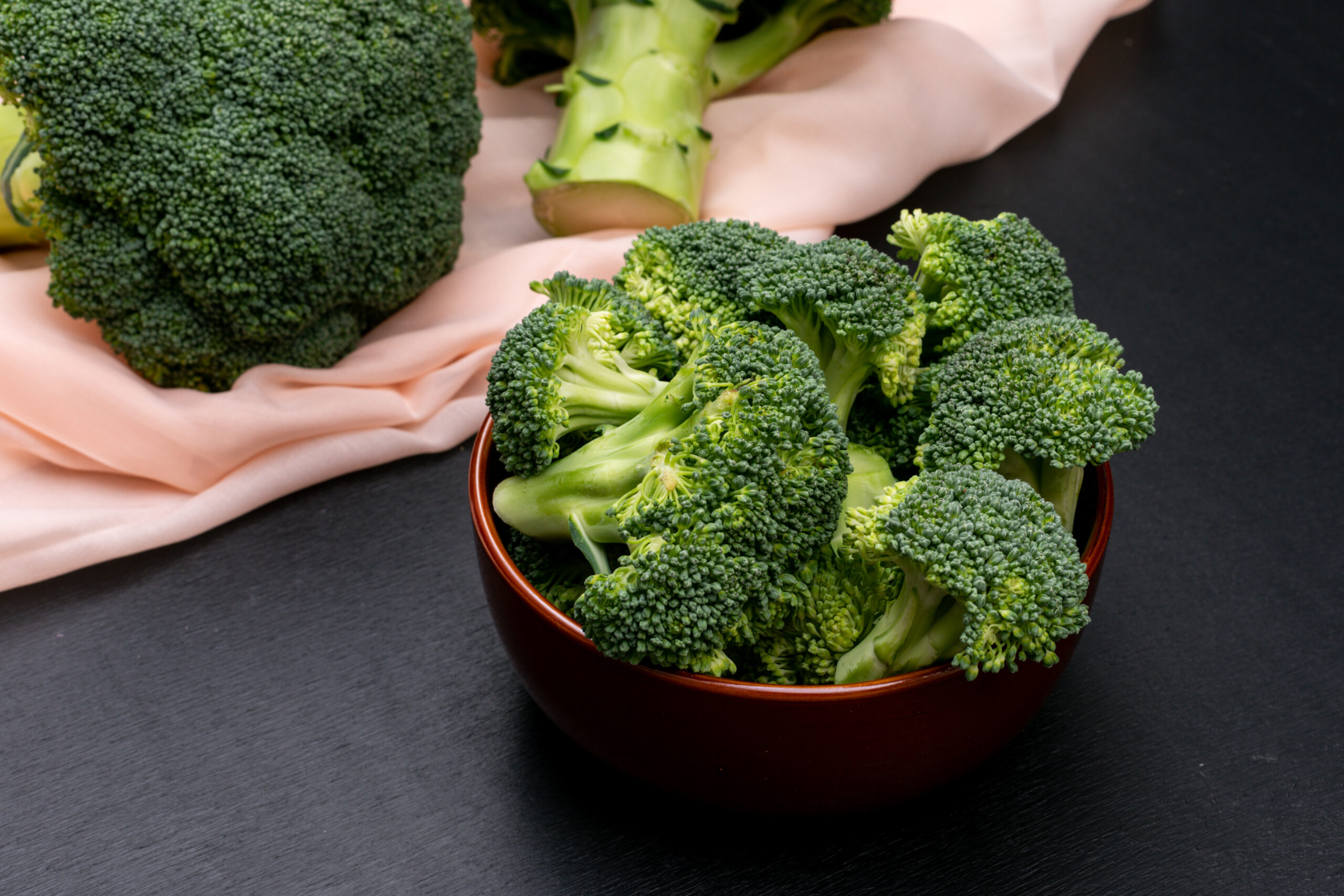
Broccoli is more than just a bright green vegetable on your dinner plate. It is one of the most nutrient rich foods you can eat. This crunchy cruciferous vegetable is packed with vitamins, minerals, antioxidants and plant compounds that support your overall well being. From its long history to the latest research, broccoli continues to earn its place as a true superfood.
Broccoli is very low in calories, making it great for weight-friendly meals. One cup of raw broccoli (about 91 grams) contains roughly 31 calories, allowing you to eat generous portions without significantly increasing calorie intake.
A cup of raw broccoli provides about 6 grams of carbohydrates, including natural sugars and fiber. Because the carbs are mostly complex, broccoli helps maintain steady energy levels and supports healthy digestion.
Broccoli is a strong source of dietary fiber, offering about 2.5 grams per cup. This fiber helps improve digestion, supports gut health, and provides a feeling of fullness, which can help with weight control.
Broccoli contains about 2.5 to 3 grams of protein per cup, which is high for a vegetable. While it’s not a complete protein source, it contributes meaningfully to daily intake, especially in plant-based diets.
Broccoli is naturally very low in fat, with less than 0.5 grams per cup. It contains no saturated or trans fats and fits perfectly into heart-healthy diets.
Broccoli is packed with essential vitamins. It is an excellent source of Vitamin C, often providing more than 100 percent of the daily requirement in just one cup. It also contains Vitamin K, Vitamin A, B-vitamins (especially folate), and antioxidants that support immunity, bone health, and skin health.
This vegetable contains key minerals such as potassium, calcium, iron, and magnesium in moderate amounts. These minerals contribute to heart health, muscle function, and overall cellular balance.
Broccoli is rich in antioxidants like sulforaphane, lutein, and zeaxanthin, which help reduce inflammation, support eye health, and protect the body against oxidative stress.
Broccoli is about 89 to 90 percent water, helping with hydration and making it naturally low in calories.
With its low calorie count, high nutrient density, and strong antioxidant profile, broccoli is considered one of the healthiest vegetables. It supports immunity, digestion, heart health, and overall wellness.
Broccoli contains high levels of vitamin C and several antioxidants that help fight oxidative stress. One of the most important antioxidants in broccoli is sulforaphane. Researchers believe it may help protect cells from damage and support overall health.
Healthline and multiple studies highlight broccoli’s potential anti cancer properties. Sulforaphane and other glucosinolates in broccoli may help reduce the risk of breast cancer, colon cancer and prostate cancer by slowing the growth of cancer cells.
Broccoli supports heart health in several ways.
It helps reduce inflammation, supports healthy cholesterol levels and provides fiber which helps maintain good digestion and blood sugar control. Potassium in broccoli also helps keep blood pressure in a healthy range.
The fiber in broccoli helps improve regularity and supports a healthy gut. Broccoli also contains a compound called kaempferol which may support a balanced gut microbiome.
Your body relies on vitamin C to keep the immune system strong. Broccoli provides more vitamin C than many fruits. Eating it regularly can help support your natural defenses.
UPMC highlights that broccoli contains lutein and zeaxanthin, two carotenoids that protect the eyes from age related macular degeneration and cataracts. Vitamin A in broccoli also supports night vision.
Broccoli may help people with blood sugar issues. Its fiber content slows digestion and supports stable blood sugar levels. Sulforaphane has also been studied for its potential to improve insulin sensitivity.
Broccoli offers vitamin K, calcium, magnesium and phosphorus. These nutrients work together to support strong, healthy bones.
Broccoli belongs to the cruciferous vegetable family. This group includes cauliflower, brussels sprouts, cabbage and kale. While they all offer similar nutrients, broccoli stands out for its vitamin C content and its high concentration of sulforaphane.
Eating a mix of cruciferous vegetables is the best way to enjoy a variety of plant compounds and nutrients.
Broccoli has been around since ancient Roman times and was grown for its healing benefits. It made its way from the Mediterranean to the United States in the early 1900s. Today, broccoli is a common household vegetable that continues to be valued for both taste and nutrition.
One thing your earlier content did not include is broccoli sprouts.
Broccoli sprouts contain 20 to 50 times more sulforaphane than mature broccoli. Even small amounts can offer strong antioxidant benefits. Adding broccoli sprouts to salads or sandwiches is a great way to boost nutrition.
The way you cook broccoli can affect how many nutrients you keep.
• Steaming broccoli keeps most of its vitamin C and sulforaphane.
• Microwaving with minimal water also works well.
• Sautéing lightly in olive oil adds healthy fats and good flavor.
• Boiling broccoli for too long can lead to nutrient loss.
• Raw broccoli is nutritious but can be harder to digest for some people. Light cooking often makes it easier on the stomach.
Choose a cooking method that keeps the vegetable bright green and slightly crisp for the best nutrient retention.
Broccoli contains several beneficial plant compounds.
• Sulforaphane supports detoxification and may help protect against cancer.
• Lutein and zeaxanthin support healthy eyes.
• Kaempferol offers anti inflammatory benefits.
• Glucosinolates support the body’s natural detox process.
These compounds work together to help your body in many ways.
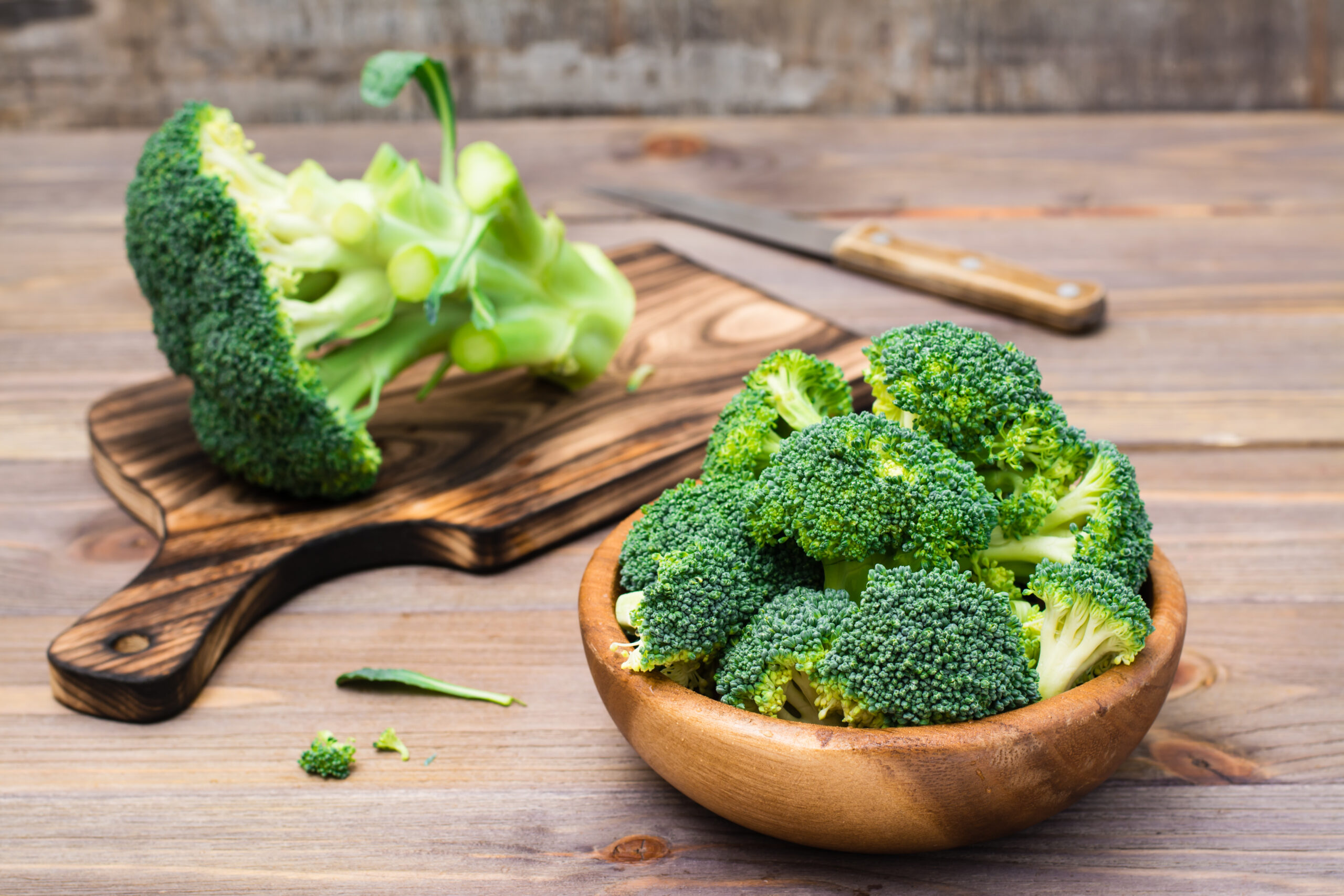
There are a few common myths about broccoli that are not true.
Myth: Cooking broccoli destroys all nutrients.
Fact: Steaming or microwaving keeps most nutrients intact.
Myth: People with thyroid issues must completely avoid broccoli.
Fact: Moderate amounts of cooked broccoli are safe for most people when part of a balanced diet.
Myth: Broccoli is only healthy when eaten raw.
Fact: Both raw and lightly cooked broccoli are nutritious.
There are many simple ways to include broccoli in your meals.
• Add chopped broccoli to salads.
• Enjoy steamed broccoli with a squeeze of lemon.
• Roast broccoli with olive oil and garlic.
• Add broccoli to soups, stir fries and pasta dishes.
• Try broccoli smoothies with pineapple or apple.
• Add broccoli sprouts to sandwiches or wraps.
Many researchers continue to study broccoli for its cancer fighting potential. Sulforaphane is one of the most widely researched plant compounds in nutrition science. Broccoli also supports long term eye health thanks to lutein and zeaxanthin.
Broccoli is safe for most people but a few things are useful to know.
• People on blood thinners should monitor vitamin K intake and speak to a doctor.
• Those with IBS or digestive sensitivities may need to eat broccoli in small portions.
• A true broccoli allergy is rare but possible.
• Eating very large amounts of raw broccoli may affect thyroid function, although this is uncommon and usually not a concern for average intake.
To enjoy the best flavor and nutrition:
• Choose firm, tightly packed florets that are bright green.
• Avoid broccoli with yellowing tops.
• Store in the refrigerator for up to one week.
• Wash just before cooking to maintain freshness.