


- LIFE
Secrets to Juicy Salisbury Steak Perfection
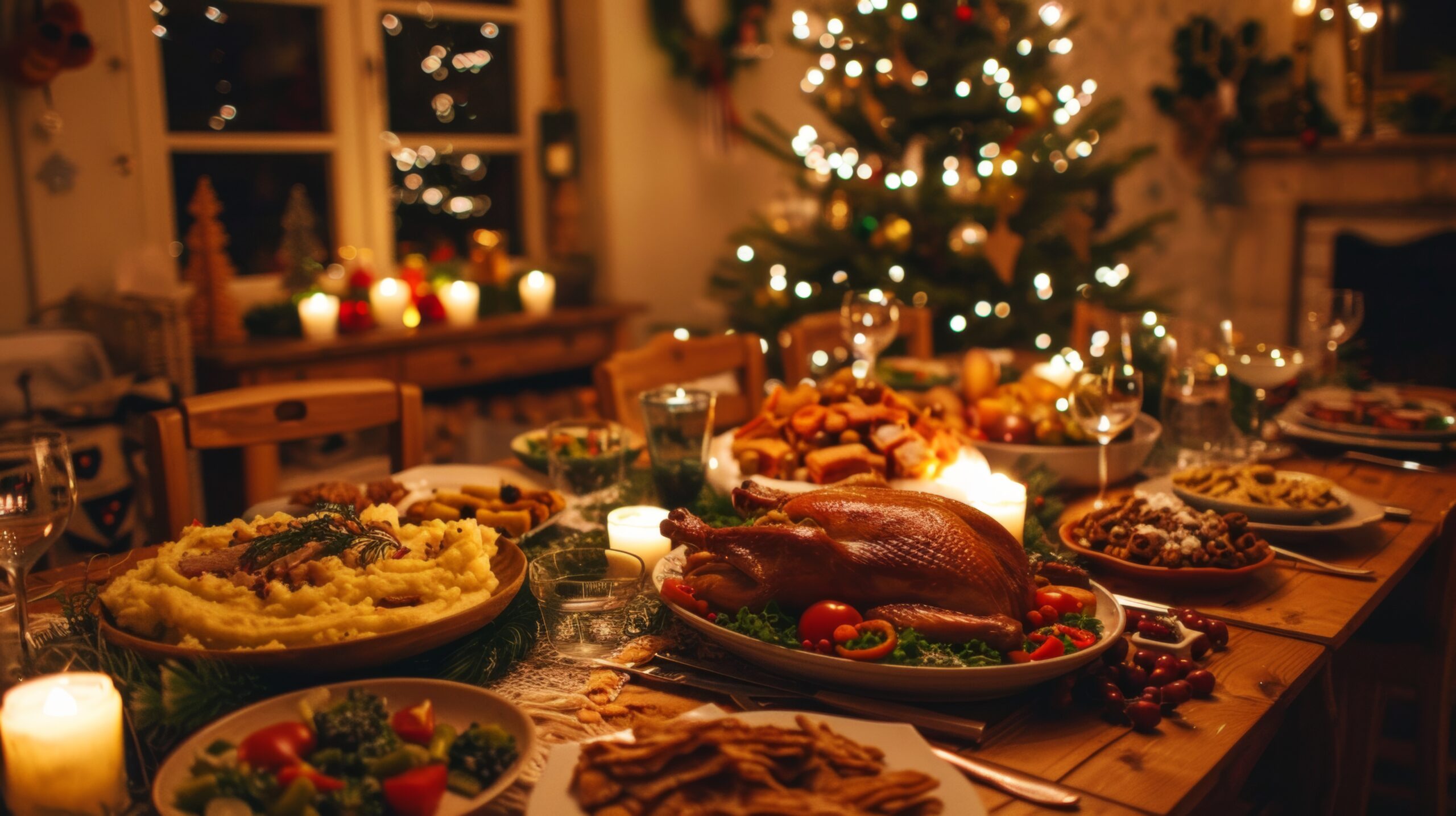
As the holiday season approaches, the anticipation of gathering around a festive table to enjoy a traditional Christmas dinner grows. This cherished tradition is more than just a meal; it’s a celebration of family, culture, and the warmth of the season. Crafting a memorable Christmas dinner involves a blend of time-honored recipes, creative cooking techniques, and thoughtful presentation. Whether you’re a seasoned chef or a beginner in the kitchen, planning and preparing a Christmas feast can be a rewarding experience. In this guide, we’ll explore the essential dishes that define a traditional Christmas dinner, offer beginner-friendly recipes, share advanced cooking techniques, and provide tips for creating an unforgettable dining experience.
A traditional Christmas dinner is a culinary celebration featuring a harmonious blend of flavors and textures. At its heart, this festive meal usually includes a rich, succulent main course, accompanied by an array of delightful side dishes.
The centerpiece of a traditional Christmas dinner often revolves around a roasted meat dish. Roast turkey, with its golden-brown skin and tender meat, is a popular choice. For those seeking an alternative, a glazed ham or a beef roast can also serve as an impressive main course. Each of these dishes brings its own unique flavor profile and can be tailored to suit personal preferences.
Complementing the main course, classic side dishes such as creamy mashed potatoes, roasted Brussels sprouts, and buttery dinner rolls are staples on the Christmas table. Cranberry sauce adds a touch of tartness, balancing the richness of the meal. For a touch of sweetness, consider serving a honey-glazed carrot or a sweet potato casserole.
For those new to hosting a Christmas dinner, starting with simple yet flavorful recipes can make the experience enjoyable and stress-free. Here are a few beginner-friendly recipes that require minimal preparation and cooking time, allowing you to focus on spending time with your loved ones.
Opting for a turkey breast instead of a whole bird can simplify the cooking process. Season the turkey breast with a blend of fresh herbs, garlic, and olive oil. Roast it in the oven at 325°F (163°C) for about 1.5 to 2 hours, or until the internal temperature reaches 165°F (74°C).
Prepare a simple stuffing by sautéing onions, celery, and garlic in butter. Mix with cubed bread, chicken broth, and your choice of herbs. Bake in a casserole dish at 350°F (177°C) for 30-35 minutes until golden brown.
For those who wish to elevate their Christmas dinner with advanced culinary techniques, there are several methods to enhance both flavor and presentation. These techniques require a bit more skill and precision but can result in a truly memorable dining experience.
A beautifully glazed ham or roast can be the highlight of your Christmas table. To achieve a glossy finish, apply a glaze made from honey, brown sugar, and Dijon mustard during the final stages of cooking. Brush the glaze over the meat every 15 minutes to build layers of flavor.
Sous vide is a technique that involves cooking food in a vacuum-sealed bag at a precise temperature in a water bath. This method ensures perfectly cooked meat every time. For a Christmas dinner, consider using sous vide for your beef roast, followed by a quick sear for a caramelized crust.
Choosing the right side dishes to accompany your main course is essential for a well-rounded Christmas dinner. The sides should complement the flavors of the main dish while adding variety to the meal.
If your main course is rich and savory, consider lighter sides such as a crisp apple and walnut salad or a citrusy green bean almondine. For a sweeter main dish like glazed ham, opt for savory sides like garlic mashed potatoes or a mushroom risotto.
Embrace the flavors of the season by incorporating winter vegetables such as squash, parsnips, and kale into your side dishes. Roasting these vegetables with olive oil and herbs can enhance their natural sweetness and add depth to your meal.
Noche Buena, or “Good Night,” is a Christmas Eve tradition celebrated in many cultures, particularly in Hispanic communities. This festive gathering is an opportunity to share a special meal with family and friends, often featuring an array of traditional dishes.
A typical Noche Buena feast may include dishes such as lechón (roast pig), paella, or tamales. These hearty dishes are often accompanied by sides like rice, beans, and plantains. Desserts such as flan or tres leches cake add a sweet finish to the meal.
Consider incorporating traditional elements from your family’s heritage into your Noche Buena celebration. This could include specific recipes, decorations, or customs that hold special meaning and create lasting memories.
A beautifully set table can enhance the dining experience and set the tone for a festive celebration. Thoughtful decorations can transform your dining area into a warm and inviting space.
Select a color scheme that complements your home decor and the holiday season. Classic combinations such as red and gold or green and silver create an elegant and festive atmosphere.
Use natural elements like pinecones, evergreen branches, and holly berries to add a touch of nature to your table setting. These elements can be used as centerpieces or to accent napkin rings and place settings.
Personalize your table with handmade place cards, festive napkin folds, and family heirlooms. These small details can make your guests feel special and add a unique touch to your celebration.
After hosting a successful Christmas dinner, you’ll likely want to preserve your favorite recipes for future celebrations. Keeping your recipes organized ensures that you can easily recreate your culinary successes year after year.
Create a digital or physical recipe binder to store your favorite Christmas recipes. Include notes on any modifications or personal touches you added to each dish. This will help you remember what worked well and any changes you may want to make in the future.
Consider sharing your favorite recipes with family and friends through email or a shared online document. This not only helps preserve family traditions but also allows others to enjoy the dishes you love.

While traditional Christmas dinners have their roots in specific cultures, exploring international holiday dishes can add excitement and diversity to your celebration. Incorporating global flavors can expand your culinary repertoire and introduce your family to new traditions.
This Italian-American tradition involves serving a variety of seafood dishes on Christmas Eve. Popular choices include baccalà (salted cod), calamari, and shrimp scampi. This feast celebrates the bounty of the sea and is a delightful way to honor Italian heritage.
The Swedish Julbord, or Christmas buffet, features an array of cold and hot dishes, including gravlax (cured salmon), pickled herring, and meatballs. This smorgasbord-style meal allows guests to sample a variety of flavors and textures.
In Germany, roast goose is a traditional Christmas dish, often served with red cabbage and potato dumplings. The rich, savory flavors of the goose are complemented by the tangy sweetness of the cabbage, creating a harmonious balance.
By incorporating these diverse dishes into your Christmas celebration, you can create a unique and memorable dining experience that honors both tradition and innovation.