
Dog intelligence is a trickier thing to measure than most people realize. Researcher Stanley Coren spent years working with hundreds of obedience judges to rank breeds by what he called “working intelligence,” essentially how quickly a dog learns a new command and how reliably it obeys. The dogs at the top of his list learn new commands in fewer than five repetitions and follow them at least 95% of the time. The dogs at the bottom can take a hundred repetitions and still might not bother. That’s an enormous spread, and it explains why some owners feel like they’re living with Einstein and others feel like they’re losing their minds.
But intelligence isn’t just about following orders. It also shows up as problem-solving (figuring out how to open a door), emotional intelligence (reading their owner’s mood), and instinctive intelligence (the herding, retrieving, or guarding behaviors a breed is hardwired for). The dogs on this list excel at one or more of these dimensions, which is why they consistently dominate obedience competitions, agility courses, search-and-rescue work, and service-dog programs around the world.
1. Border Collie

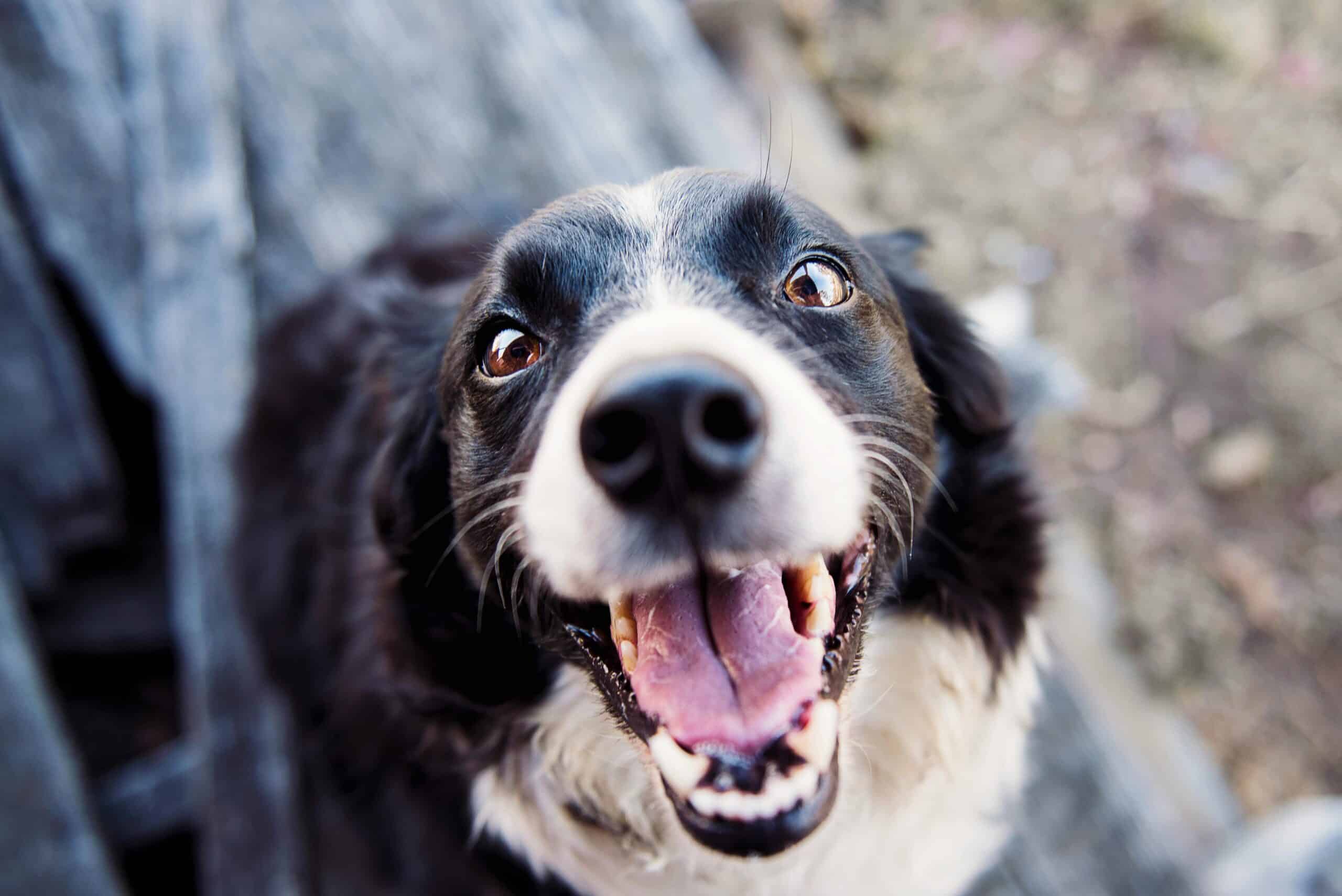
The undisputed champion of dog intelligence. Border Collies sit at the top of every credible smartest-breed ranking ever published, and there’s a reason. They were bred to make split-second decisions while herding sheep across rough Scottish hills, often hundreds of yards from their handler. Some Border Collies have learned over a thousand individual word-object associations, including a famous dog named Chaser who could identify more than 1,022 toys by name. They learn new commands in fewer than five repetitions. The trade-off is that this intelligence demands constant mental and physical work. A bored Border Collie will absolutely invent its own job, and you won’t like the one it picks.
2. Poodle

The poodle’s frou-frou show coat hides one of the sharpest minds in the dog world. All three sizes (Standard, Miniature, and Toy) rank near the top for trainability and problem-solving. Poodles were originally bred as water retrievers in Germany, and the elaborate continental haircuts you see in show rings were actually functional, designed to keep joints warm while allowing freedom of movement in cold water. They pick up commands almost instantly and excel at obedience, agility, tracking, and even circus performance. Standard Poodles in particular have been used as service dogs and water rescue dogs for centuries.
3. German Shepherd

The default choice for police work, military work, and service-dog programs around the world. German Shepherds combine sharp intelligence with an extraordinary work ethic and an almost instinctive desire to please their handler. They can learn complex multi-step tasks, follow scent trails for miles, and make independent decisions in high-pressure situations. They’re also remarkably emotionally attuned, which is why they make excellent therapy and assistance dogs. The breed needs a real job or structured training program to thrive. A neglected, under-stimulated German Shepherd is a sad and sometimes destructive dog.
4. Golden Retriever

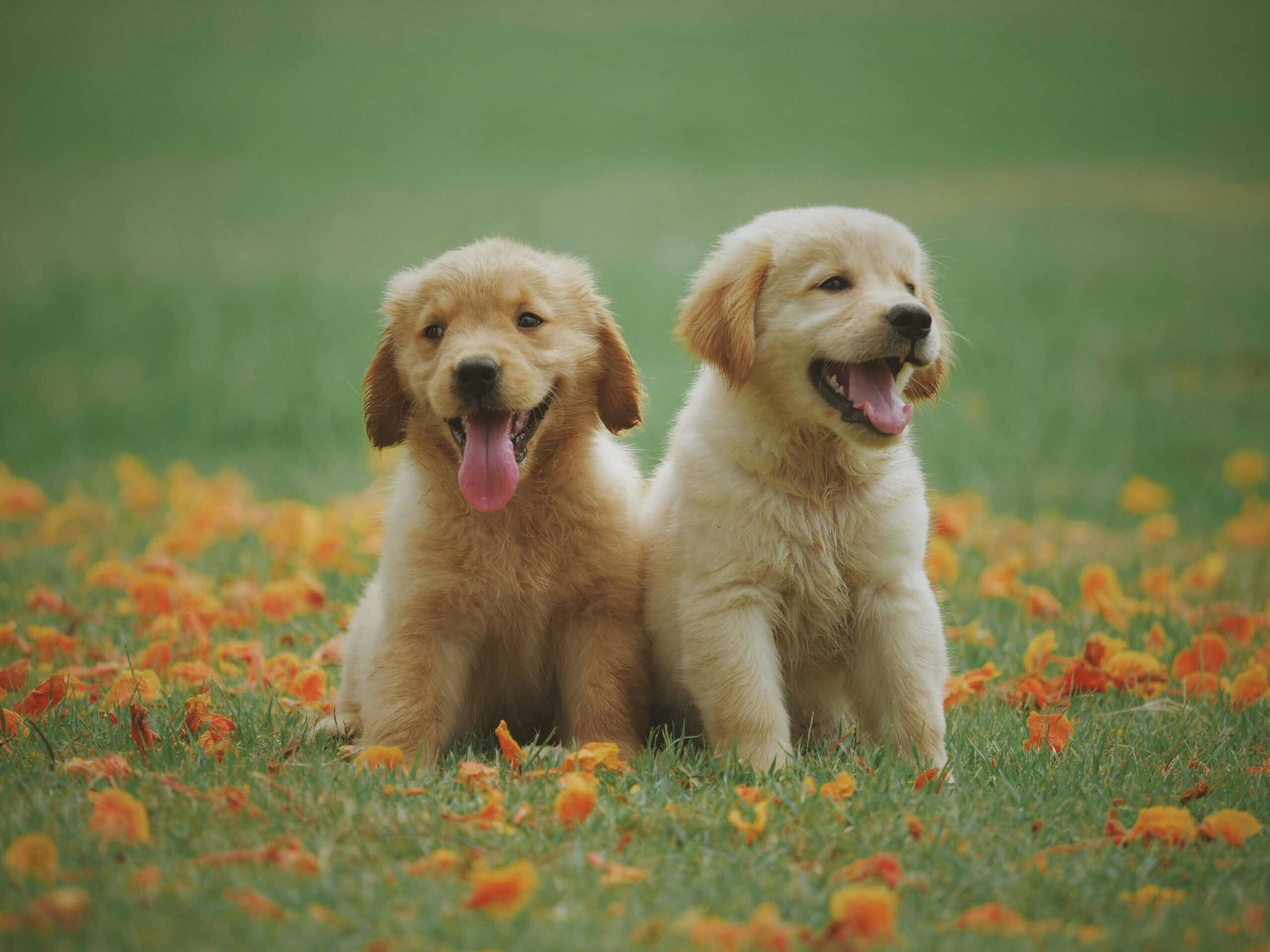
Famously sweet but often underestimated for sheer intelligence. Goldens consistently rank in the top five for trainability, which is why they’re the most common breed used in service-dog programs (guide dogs for the blind, mobility assistance dogs, therapy dogs in hospitals and disaster zones). They learn quickly, retain commands well, and have a genuine eagerness to please that makes training feel almost easy. They also have remarkable emotional intelligence, picking up on human moods with notable accuracy. The combination of brains, gentleness, and steadiness is what makes the Golden one of the most popular breeds in the world.
5. Doberman Pinscher

Bred in 19th-century Germany by a tax collector who needed a smart, loyal, intimidating dog to accompany him on dangerous rounds. Mission accomplished. Dobermans are highly intelligent, fiercely loyal, and famously protective of their families. They learn quickly, work hard, and excel at obedience, protection sports, and police work. The intense protective instinct comes paired with surprising sensitivity, Dobermans are emotionally tuned to their owners and don’t respond well to harsh handling. Despite the tough reputation, well-trained Dobermans are gentle and affectionate with family.
6. Shetland Sheepdog

A miniature herding dog that looks like a small Collie and thinks like one too. Shelties were bred to herd sheep on the rugged Shetland Islands, and the brain power required for that job is still very much intact. They’re alert, quick learners, and consistently rank in the top ten for trainability. They excel at obedience and agility, often outperforming much larger breeds in competition. Shelties are also remarkably attuned to their owners and pick up on emotional cues quickly. The downside is they’re vocal, the herding instinct includes a tendency to bark at anything that moves.
7. Labrador Retriever

The most popular breed in America for decades, and not just because of the friendly personality. Labs are highly trainable, eager to please, and remarkably versatile. They’re the most common service dogs in the world, working as guide dogs, mobility assistants, search-and-rescue dogs, drug detection dogs, and therapy dogs. Their intelligence is the kind that loves a job, give a Lab something to do and they’ll commit to it fully. The food motivation makes training easier than almost any other breed. The catch is they need real exercise and engagement to stay out of trouble.
8. Papillon

Possibly the most surprising name on this list. Despite weighing just five to ten pounds, the butterfly-eared Papillon consistently ranks among the top ten smartest breeds. They learn commands almost as quickly as a Border Collie and absolutely dominate small-dog agility competitions. Their intelligence comes paired with surprising stamina and athleticism for a tiny lap-style breed. Marie Antoinette and various European queens favored them for centuries, partly because they were as quick-witted as the much larger sporting breeds. If you want a small dog that can legitimately learn anything you’d care to teach, this is it.
9. Rottweiler

Big, powerful, and far smarter than the intimidating reputation suggests. Rotties were originally bred to drive cattle to market in Roman times, then later as butcher’s dogs in Germany, jobs that required real independent decision-making. Modern Rottweilers excel at police work, protection sports, and search-and-rescue. They’re confident, calm, and trainable, but the intelligence comes with a streak of independence that demands experienced handling. Rotties want to know who’s in charge and respect a confident, consistent owner. Get the training right and you have one of the most loyal and capable companions in the dog world.
10. Australian Cattle Dog

Also known as the Blue Heeler, this is a working dog through and through. Aussie Cattle Dogs were bred to drive cattle across vast stretches of the Australian outback, sometimes for hundreds of miles, in conditions that would defeat most breeds. The intelligence required for that kind of independent work is enormous. They’re quick learners, fierce problem-solvers, and absolutely tireless. They also bond intensely with their primary owner, often forming a near-obsessive attachment. They need real work or structured training to thrive. A bored Cattle Dog is a household disaster waiting to happen.
11. Pembroke Welsh Corgi

The Queen’s favorite for a reason. Beneath the short legs and big personality is a sharp, capable herding dog that has been driving cattle in Wales for over a thousand years. Pembrokes are quick learners, alert problem-solvers, and surprisingly trainable for a dog with such a stubborn streak. They retain real working intelligence and may try to herd family members, including by gently nipping at heels. They’re vocal and opinionated, both signs of intelligence in dogs that were originally bred to think for themselves. With consistent training, that smart streak channels beautifully into obedience, agility, and trick training.
12. Miniature Schnauzer

A bright, alert little terrier that has often been called “almost too clever for their own good.” Mini Schnauzers were bred as small farm dogs in Germany, used to control vermin and serve as alert watchdogs, and that working intelligence is very much intact. They learn commands quickly, retain them well, and tend to figure out things you didn’t intend to teach them. A Mini Schnauzer with a problem to solve will figure it out, and that includes problems like “how do I open this cabinet” and “how do I get on this couch.” Mental stimulation is as important as physical exercise.
13. English Springer Spaniel

A versatile gun dog that’s been used to flush and retrieve game birds for centuries. English Springers are quick learners, affectionate, and tireless workers. They consistently rank in the top fifteen for trainability and excel at obedience, agility, and field trials. They’re also commonly used as detection dogs (drugs, explosives, contraband) because of their sharp noses and willingness to work with handlers. The combination of intelligence and friendliness makes them excellent family dogs, but they need real exercise and engagement to stay happy.
14. Belgian Malinois

Looks like a leaner, sharper German Shepherd and is in many ways even more intense. The Malinois has become the breed of choice for elite military and police K9 units around the world, including the Navy SEAL teams. They’re extraordinarily intelligent, fast learners, and possess almost limitless drive. The flip side is that the Malinois is genuinely too much dog for most owners. They need professional-level training, hours of daily exercise, and a serious job to do. In the right hands, no breed is more capable. In the wrong hands, no breed is more frustrating.
15. Australian Shepherd

Despite the name, the Australian Shepherd was actually developed in the American West as a versatile ranch dog. Aussies are highly intelligent, athletic, and almost obsessively driven to work. They excel at herding, agility, obedience, frisbee, dock diving, and basically every dog sport that exists. They’re also remarkably attuned to their owners, picking up on subtle cues and learning routines quickly. The famous “Aussie eye,” the intense focused stare they use to herd livestock, is also turned on their humans, and it can feel like they’re reading your mind. They need significant daily exercise.
16. German Shorthaired Pointer

A sleek, athletic gun dog bred to handle birds, rabbits, raccoons, and even larger game on land or in water. The versatility tells you everything about the intelligence. GSPs were designed to think on their feet across diverse terrain and prey, and they bring that adaptability to modern life. They learn quickly, retain commands well, and excel at obedience, agility, and tracking. They’re also enthusiastic problem-solvers, which is great when you’re training and challenging when you’ve left them alone too long. They need a serious daily exercise commitment, an hour minimum.
17. Collie

The breed Lassie made famous, and it turns out Lassie was undersold. Collies are exceptionally intelligent, gentle, and intuitive, with a particular reputation for emotional sensitivity to humans. They’ve been used as herding dogs in Scotland for centuries, and the careful decision-making required for that work is still very much present. Collies are also famously good with children and have been popular family dogs for over a hundred years. They learn quickly, respond well to gentle training, and have a genuine desire to please. The flowing coat needs regular grooming, but the brain underneath is worth it.
18. Brittany

A compact French gun dog that combines pointer and spaniel traits in one of the most versatile small-to-medium breeds available. Brittanys are quick learners, eager to please, and famously athletic. They consistently rank in the top twenty for trainability and excel at field trials, obedience, and agility. The intelligence is paired with a real desire to work alongside humans rather than independently, which makes training more collaborative than with some other working breeds. They’re also more compact than most pointers, typically thirty to forty pounds, which makes them easier to manage. They need significant daily exercise.
Smart dogs aren’t always easy dogs. The breeds at the top of this list need real training, real engagement, and real jobs to thrive. If you’re looking for a couch companion, intelligence may not be your top criterion. But if you want a dog that can genuinely learn anything you’d care to teach, work alongside you on real tasks, and surprise you almost every day, you’ll find your match somewhere in this list.