
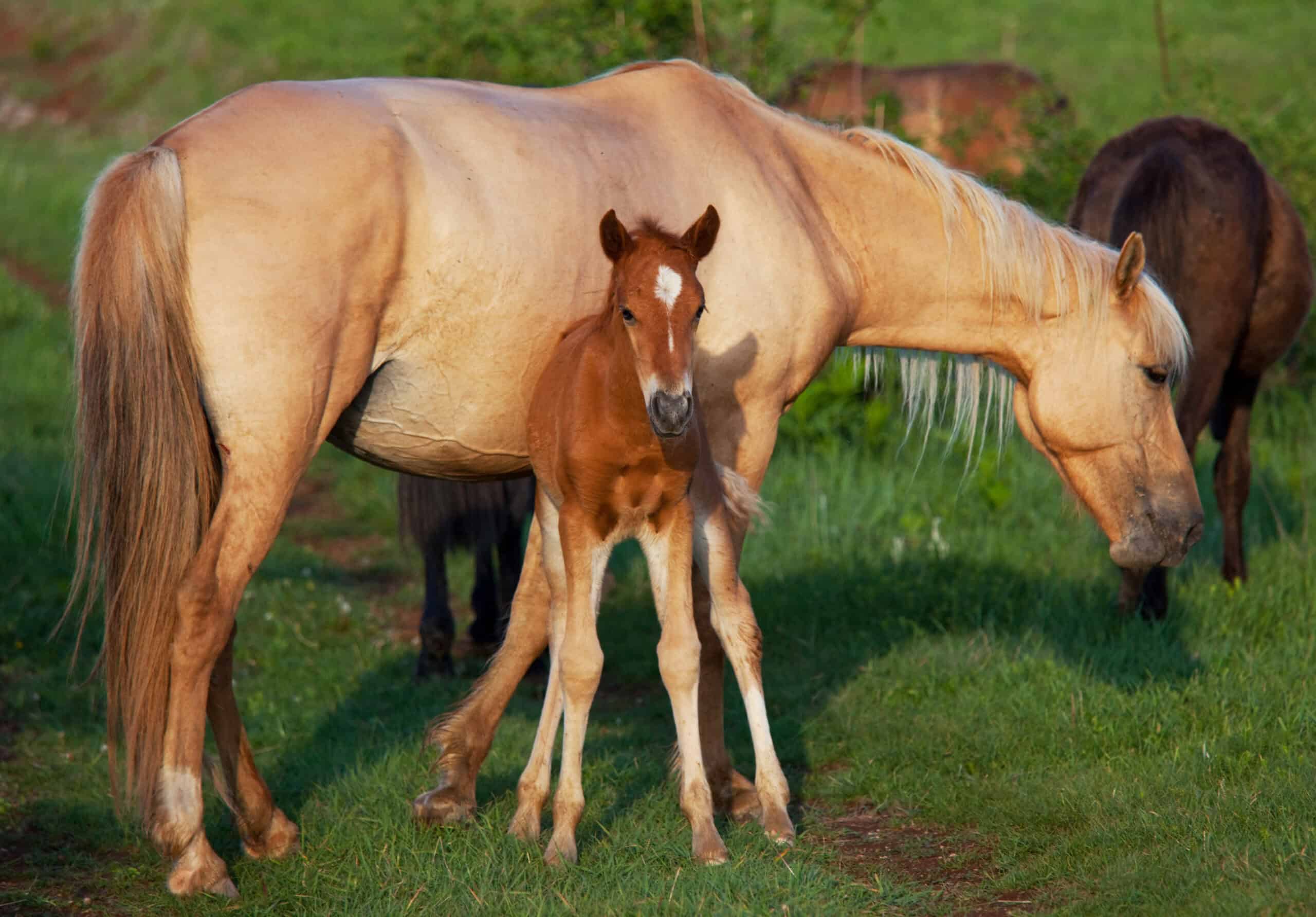
Somebody says they want a “small horse,” and that can mean three different things in about five seconds. They might mean a pony. They might mean a miniature horse. Or they might mean a horse breed that stays compact but is still absolutely a horse. That is where the confusion starts.
This guide clears that up fast. We will sort out the difference between a small horse, a pony, and a mini, then look at the breeds people usually mean when they go searching for one. The basic size line is simple: horses are over 14.2 hands high, ponies are under that mark, and miniature horses are even smaller, often under about 9 to 9.5 hands depending on registry rules.
What is a small horse?
In everyday conversation, “small horse” usually means one of three things:
- a pony
- a miniature horse
- a compact horse breed that looks horse-like but stays shorter than many full-size riding horses
That last category matters because not every small equine is technically a pony. Some breeds remain officially horses even when they are pony-sized. Miniature horses are also their own thing. They are bred to look like tiny full-size horses, even though they are very small.
Small horse vs pony vs miniature horse
This is the part people mix up most.
Pony
A pony is under 14.2 hands high. Ponies often have thicker necks, stockier builds, heavier coats, and tougher feet than many larger horses.
Miniature horse
A miniature horse is much smaller, often under 38 inches in some registries, and is usually bred to resemble a scaled-down horse rather than a chunky pony.
Small horse breed
Some breeds are still called horses even when they are compact enough that outsiders assume they are ponies. Icelandic horses and Fjord horses are common examples of that kind of naming confusion.
My honest opinion is that if someone says “small horse,” they usually mean “something horse-like, manageable, cute, and not giant.” Technically, though, the labels do matter.
10 small horse and pony breeds people usually mean
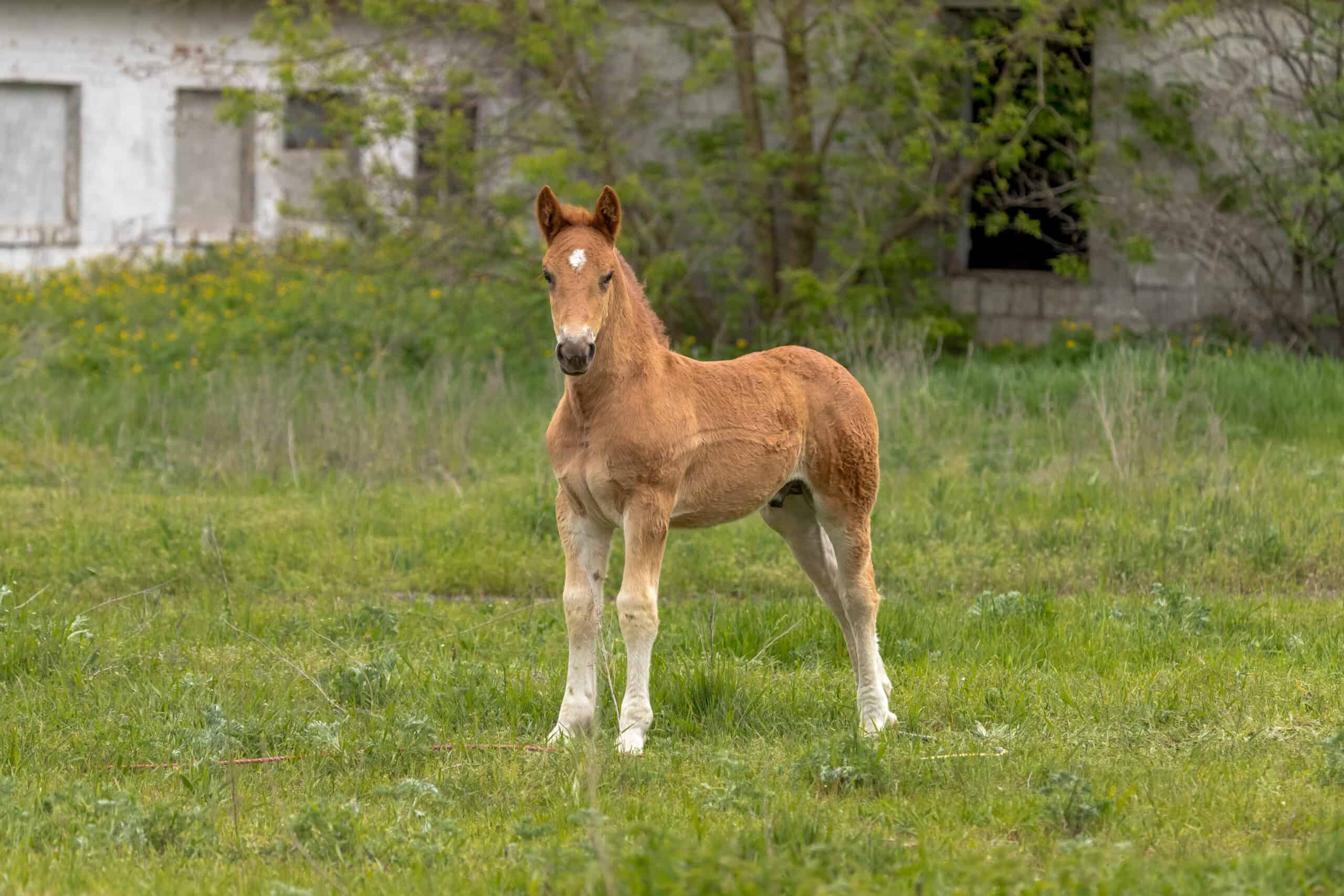
1. Miniature Horse
If your mental picture is “a tiny horse that looks like a full-size horse shrunk in the wash,” this is probably it.
Miniature horses are usually under about 100 centimeters or around 38 inches in some breed standards, and they are commonly kept as companions, driving animals, or show animals rather than riding horses. They are often too small for most riders.
Why people like them:
- extremely small and striking
- horse look rather than classic pony look
- good for showing, companionship, and light driving
2. Falabella
The Falabella is one of the best-known very small horse breeds and originated in Argentina. It is often mentioned whenever people ask for the smallest horse breeds in the world.
Why it stands out:
- tiny size
- true miniature-horse appeal
- strong novelty factor without being just a gimmick breed
3. Shetland Pony
This is probably the most famous small equine on earth. Shetlands are short, sturdy, smart, and much stronger than people expect for their size. Typical heights are around 87 to 107 centimeters, with miniature Shetlands even smaller.
Why people love them:
- hardiness
- manageable height
- thick coat and classic pony look
- very popular for children, though they can be stubborn
That stubborn part matters. Cute does not always mean easy.
4. American Miniature Horse
This is the polished show-ring version many people picture when they hear “mini horse.” Breed standards aim for a refined, proportionate tiny horse under about 38 inches or 9.5 hands.
Best known for:
- elegant mini-horse proportions
- companionship
- showing
- driving
5. Icelandic Horse
This one surprises people because it is a horse, not a pony, even though it is compact. It is often listed among smaller horse breeds because of its height, but it keeps full horse status.
Why it is popular:
- strong, sturdy build
- famous smooth gaits
- compact but capable
6. Norwegian Fjord
Another compact breed that often gets mistaken for a pony. Fjords are small compared with many riding horses, but they are still horses and are known for strength, calmness, and their distinctive upright mane. They also appear regularly on lists of smaller horse breeds.
7. Haflinger
Haflingers are not tiny like mini horses, but they are smaller, sturdy, and very popular with riders who want a manageable horse with enough size for real work. They commonly appear in small-horse breed roundups.
8. Pony of the Americas
This is a pony breed rather than a horse breed, but it shows up often when people want a small, athletic riding animal with a horse-like feel for kids or lighter riders.
9. Quarter Pony
Quarter Ponies are another practical answer when someone wants a smaller equine for riding. They have more riding utility than miniature horses and often feel like a more realistic option for children.
10. Noma or Yonaguni
These Japanese breeds are often included in lists of the smallest horse breeds and are notable partly because they are rare. If someone is looking for the truly smallest breeds worldwide, these names come up quickly.
What small horses are best for?
That depends on which kind you mean.
Best for companionship
- Miniature Horse
- American Miniature Horse
- Falabella
These are often kept as pets, therapy animals, or for showing. Miniature horses are also noted for therapy and service-type roles in some settings.
Best for children
- Shetland Pony
- Pony of the Americas
- Quarter Pony
These are more realistic riding choices than true mini horses, though temperament still matters a lot.
Best for adults who want smaller but capable
- Icelandic Horse
- Norwegian Fjord
- Haflinger
These are not tiny novelty animals. They are compact, practical, and often easier to manage than larger horses while still being useful under saddle.
If the goal is pure cuteness and companionship, it is hard to beat a well-bred miniature horse. If the goal is a practical small equine for actual riding, I would lean toward a pony or a compact horse breed instead.