



Oven Cooked Bacon Crispy, Easy, Delicious

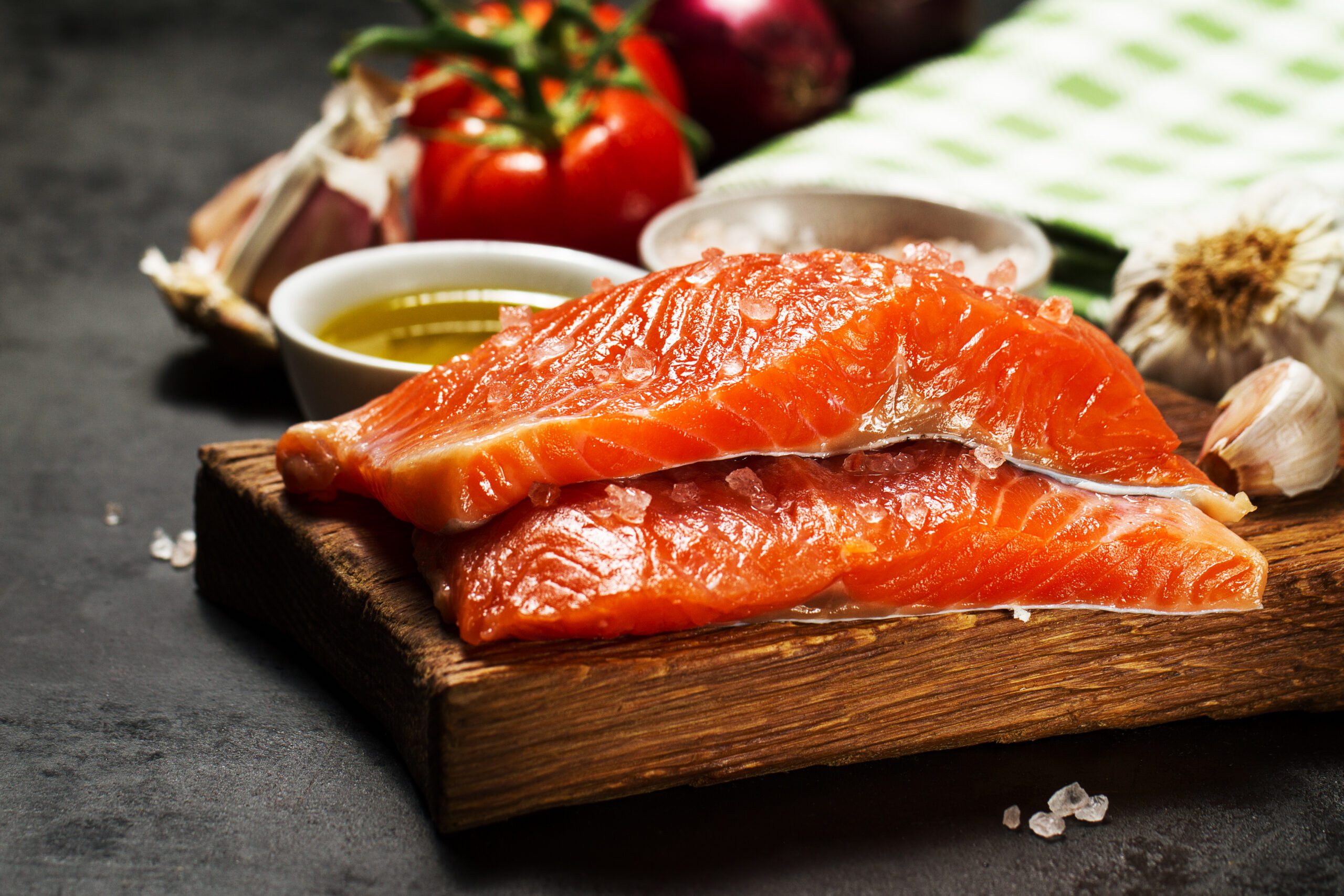
Salmon isn’t just a delicious dish—it’s one of the most nutrient-dense foods you can enjoy. Packed with high-quality protein, heart-healthy omega-3 fatty acids, essential vitamins, antioxidants, and minerals, salmon supports nearly every system in your body. Whether you’re focusing on overall wellness, heart health, brain function, or simply eating more whole foods, learning about salmon’s nutritional value can help you make smarter dietary choices.
Salmon is celebrated worldwide for its impressive health benefits. It’s a premium source of protein that helps build muscles, repair tissues, and keep you feeling full longer. Along with this, salmon supplies essential nutrients like vitamin B12, vitamin D, selenium, and potassium—each playing a key role in energy production, immunity, and overall cellular health.
One standout feature of salmon is its omega-3 fatty acids (EPA and DHA), known for their powerful impact on heart and brain health. These healthy fats help reduce inflammation, improve cognitive function, uplift mood, and support long-term brain wellness.
(Values vary slightly between wild and farmed)
EPA and DHA are crucial for memory, mood stability, and cognitive performance. Studies suggest they may help reduce the risk of depression and age-related cognitive decline.
Omega-3s and vitamin A help protect against macular degeneration and dry eyes.
Vitamin D and phosphorus in salmon improve calcium absorption and bone density.
Selenium is essential for thyroid hormone production and metabolism regulation.
Astaxanthin helps reduce wrinkles, improve skin moisture, and protect against sun damage.
Omega-3s help reduce arthritis symptoms and general inflammation in the body.
Wild salmon:
Leaner
Lower calories
Contains slightly higher minerals
Has a stronger, richer flavor
Farmed salmon:
Higher fat content
Often contains more omega-3s due to controlled diets
Softer texture
Higher calories
Both types are safe to eat, but studies show farmed salmon may contain slightly higher levels of contaminants like PCBs if raised in poorly regulated farms.
Solution: Choose responsibly sourced, certified farmed salmon (ASC, BAP, or organic).
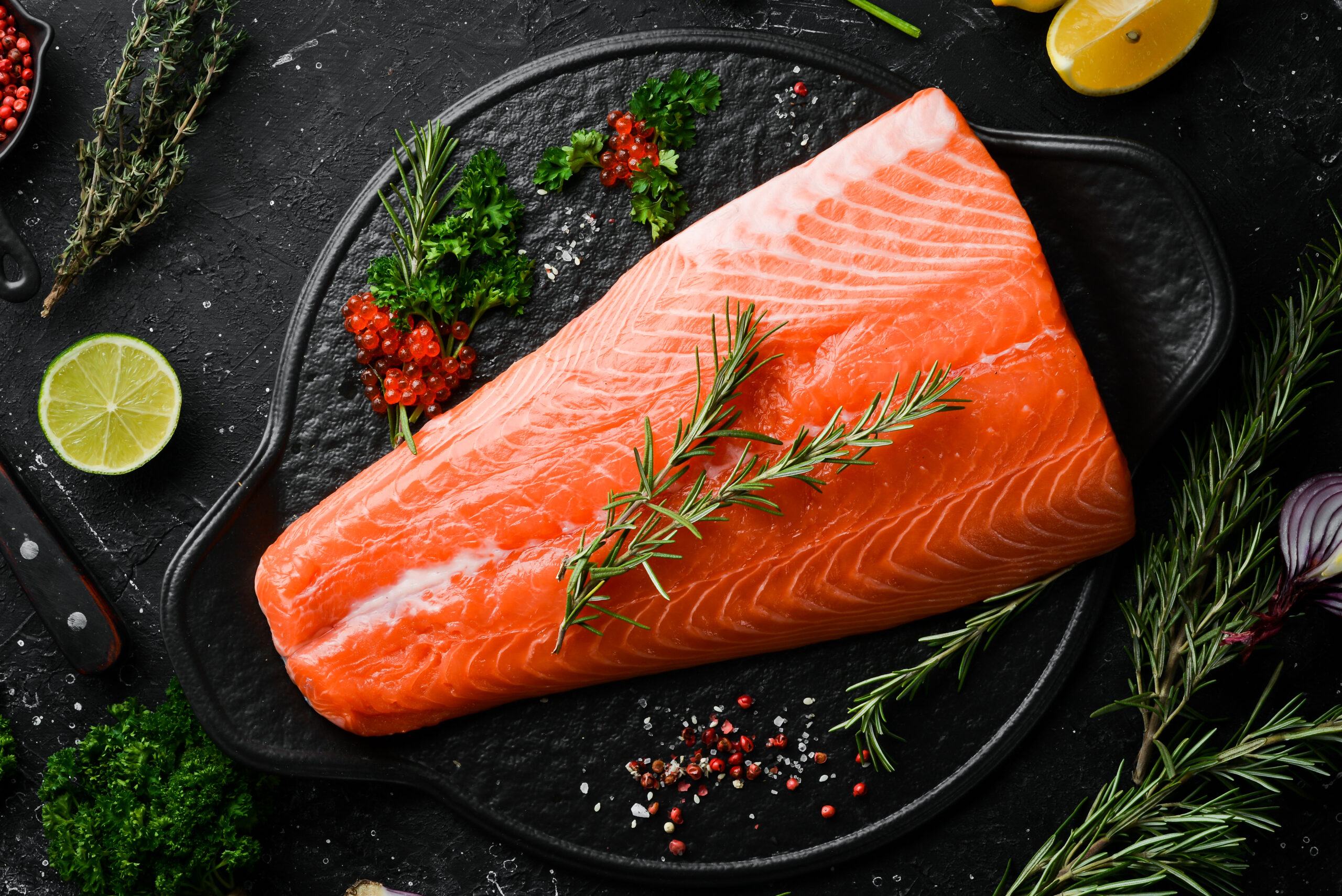
EPA and DHA from salmon support:
The body cannot produce these fatty acids naturally, so foods like salmon are essential.
According to major health organizations:
✔ 2–3 servings per week (about 8–12 ounces total)
✔ For pregnant or breastfeeding women: 2 servings per week (low-mercury fish like salmon are recommended)
Mostly farmed, rich and mild flavor, high fat content.
Highest fat content, very rich taste, premium variety.
Bright red color, strong flavor, very nutrient dense.
Milder taste, great for grilling and baking.
Light flavor, most affordable, common in canned form.
Myth: Salmon has high mercury.
Fact: Salmon is low-mercury compared to larger fish like tuna or swordfish.
Myth: Farmed salmon is unhealthy.
Fact: Responsibly sourced farmed salmon is nutritious and rich in omega-3s.
Myth: All salmon has the same nutrition.
Fact: Wild, farmed, and species types differ in fat, antioxidants, and calorie content.
Although salmon is very healthy, keep these points in mind:
Wild salmon (especially Sockeye) is the leanest and richest in minerals, but farmed salmon contains more omega-3s. Both are healthy.
Yes, its high protein and fatty acid content increases satiety, reduces cravings, and supports metabolism.
Absolutely. Canned salmon provides the same omega-3s and often includes edible bones, which add calcium.
2–3 times per week is ideal, even for pregnant women, as salmon is a low-mercury fish.
It has the same omega-3 benefits but may be higher in sodium. Consume in moderation.