



- ACTIVITIES
The 50 Very Best Couples Quiz Questions

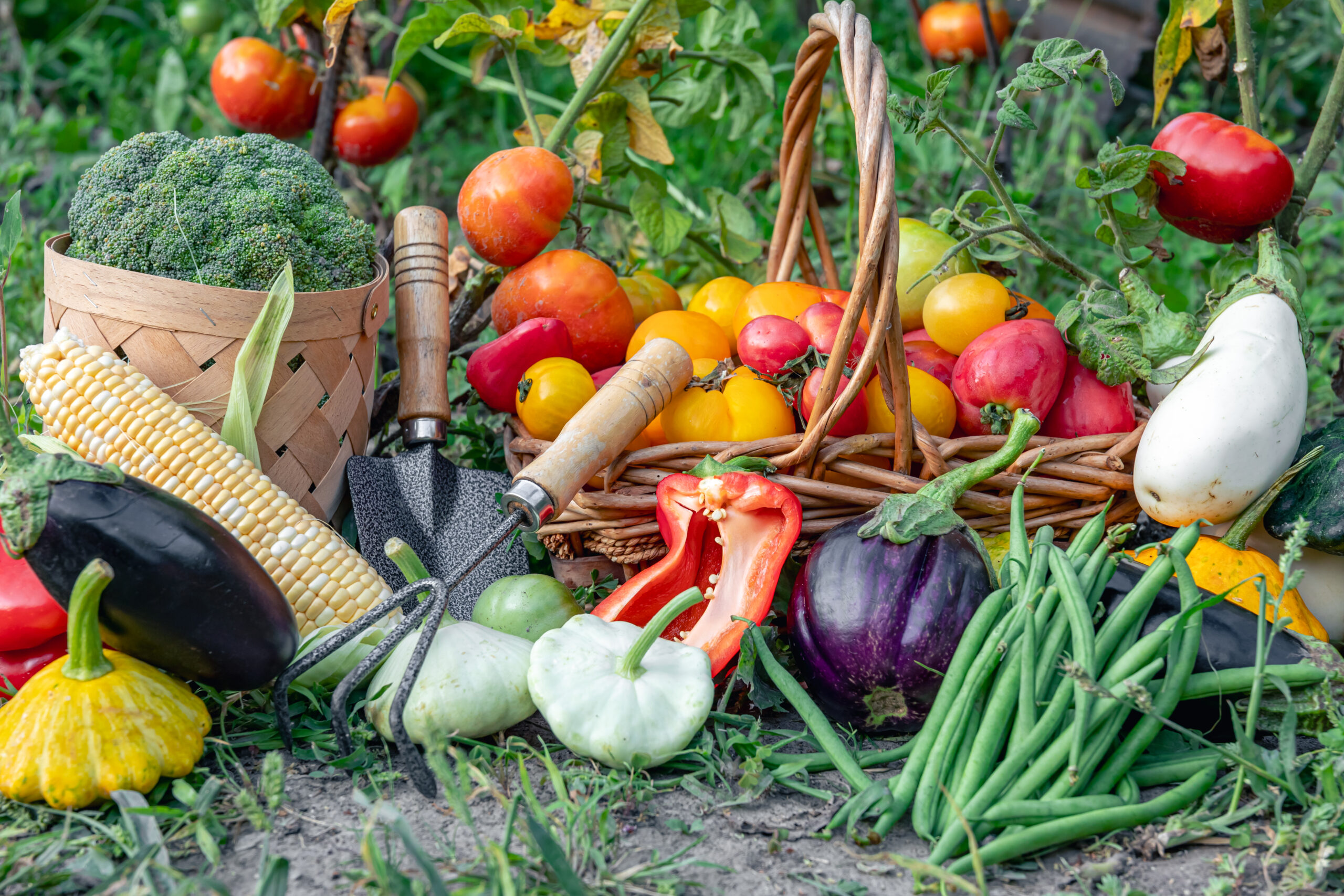
The rise of plant based foods has become more than a dietary trend; it is a lifestyle choice that harmonizes with sustainable living and environmental stewardship. For gardening enthusiasts, adopting a plant based diet goes hand-in-hand with cultivating a thriving garden full of nutritious, homegrown produce. This article delves into the essential aspects of growing plant based foods, from selecting the right tools to understanding the best gardening techniques, ensuring your garden not only flourishes but also supports a healthy, plant-based lifestyle.
To cultivate a successful garden that supports a plant based diet, having the right gardening tools is crucial. Specific tools for gardening include a quality spade for digging, a trowel for planting, and pruning shears for maintaining plant health. A sturdy garden fork is essential for loosening soil, while a wheelbarrow facilitates the easy transport of soil and compost. Additionally, investing in a watering can with a gentle shower is ideal for delicate seedlings and young plants.
For those with limited space, vertical gardening tools such as trellises and hanging planters can maximize planting areas. These tools not only optimize space but also enhance the aesthetic appeal of your garden. Ensuring you have the right tools will make the gardening process more efficient and enjoyable, allowing you to focus on the growth and health of your plants.
Choosing the right plant varieties is fundamental to creating a garden that supports a plant based diet. Leafy greens such as kale, spinach, and Swiss chard are nutrient-dense and grow well in most climates. Root vegetables like carrots, beets, and radishes are excellent for adding variety and nutrition to your meals. Legumes such as peas and beans not only enrich your diet with protein but also improve soil fertility through nitrogen fixation.
Fruits like tomatoes, cucumbers, and zucchini are versatile additions that can be used in a variety of dishes. Additionally, herbs such as basil, cilantro, and mint can enhance the flavor profile of your meals and are easy to grow in small spaces. By selecting a diverse range of plant varieties, you can ensure a continuous supply of ingredients for your plant based meals.
Healthy soil is the foundation of a thriving garden. To prepare your soil, start by testing its pH and nutrient levels. Most plant based foods thrive in slightly acidic to neutral pH levels. Amend your soil with organic matter such as compost or well-rotted manure to improve its structure and fertility. This organic matter provides essential nutrient sources for plants, promoting robust growth and high yields.
Incorporating cover crops, like clover or vetch, during the off-season can also improve soil health. These crops prevent erosion, suppress weeds, and add organic matter when tilled back into the soil. Regularly turning the soil before planting helps aerate it, allowing roots to penetrate more easily and access nutrients efficiently.
Understanding the light requirements of your plants is essential for maximizing growth and productivity. Most vegetables and fruits require full sun, which means at least six to eight hours of direct sunlight per day. However, some plants, like leafy greens and herbs, can tolerate partial shade and still thrive.
For gardens with limited sunlight, consider using reflective materials to increase light exposure. Mirrors or white surfaces can help bounce light onto your plants, enhancing their growth potential. Additionally, strategically placing taller plants to avoid shading shorter ones can optimize light distribution throughout your garden.
Effective watering strategies are vital for maintaining a healthy garden. The key is to water deeply but infrequently, encouraging plants to develop strong root systems. Early morning is the best time to water, as it reduces evaporation and allows foliage to dry before evening, minimizing the risk of fungal diseases.
Consider installing a drip irrigation system for precise and efficient watering, especially in larger gardens. Mulching around plants can also help retain soil moisture and reduce the need for frequent watering. Adjust your watering schedule based on weather conditions, ensuring plants receive adequate moisture during dry spells and reducing watering during rainy periods.
Providing plants with natural nutrients is essential for promoting healthy growth and abundant yields. Organic fertilizers, such as compost tea or fish emulsion, offer a balanced nutrient profile that supports plant health. These fertilizers enrich the soil microbiome, enhancing nutrient availability and uptake.
Incorporating worm castings into your soil is another effective way to boost fertility. Rich in essential nutrients and beneficial microbes, worm castings improve soil structure and promote vigorous plant growth. Regularly feeding your plants with these natural amendments will ensure they receive the nutrients they need for optimal health.
Maintaining a plant based garden requires careful planning and attention to seasonal changes. In spring, focus on soil preparation and planting cool-season crops like lettuce and peas. As temperatures rise, transition to warm-season crops such as tomatoes and peppers. Regularly monitor plant health and adjust care routines as needed.
Summer is the time to focus on watering and pest management. Ensure plants receive adequate moisture and implement organic pest management techniques to protect your crops. In fall, harvest late-season crops and begin preparing your garden for winter. Plant cover crops and apply mulch to protect soil from erosion and nutrient loss.
Winter is an ideal time for planning and maintenance. Review your gardening successes and challenges from the previous year and plan for the upcoming season. Clean and sharpen tools, order seeds, and prepare for the spring planting season. By following a seasonal checklist, you can ensure your garden remains productive and healthy year-round.
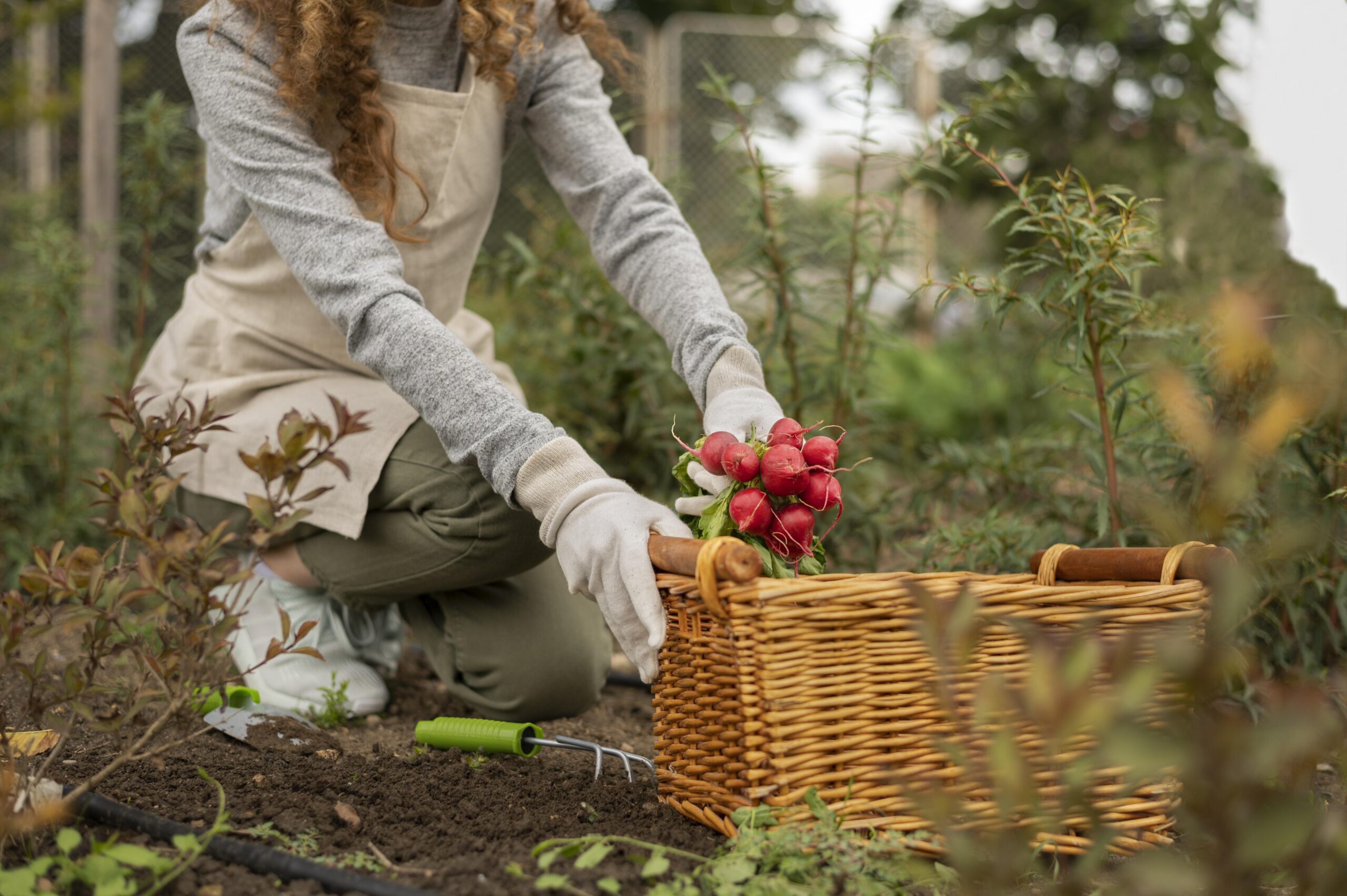
Pest management is a crucial aspect of maintaining a healthy plant based garden. Organic pest management techniques are not only environmentally friendly but also ensure the safety of your produce. Encourage beneficial insects, such as ladybugs and lacewings, by planting flowers like marigolds and sunflowers that attract these natural predators.
Companion planting is another effective strategy for pest control. Certain plants, such as garlic and chives, can deter pests when planted alongside vulnerable crops. Regularly inspect plants for signs of pest activity and remove affected leaves or plants to prevent infestations from spreading. By implementing these strategies, you can manage pests naturally and maintain a thriving garden.
Embracing a plant based diet involves exploring alternatives to traditional animal products. Legumes, nuts, and seeds are excellent protein sources, while plant-based milk alternatives, such as almond or oat milk, provide calcium and vitamin D. Incorporating a variety of grains, like quinoa and brown rice, ensures a balanced intake of essential nutrients.
Tofu and tempeh are versatile protein options that can be used in a range of dishes, from stir-fries to salads. Nutritional yeast is a popular ingredient for adding a cheesy flavor to plant-based dishes without the use of dairy. By exploring these alternatives, you can create delicious and nutritious meals that align with a plant-based lifestyle.