



- LIFE
Deliciously Soft Banana Chocolate Chip Bars

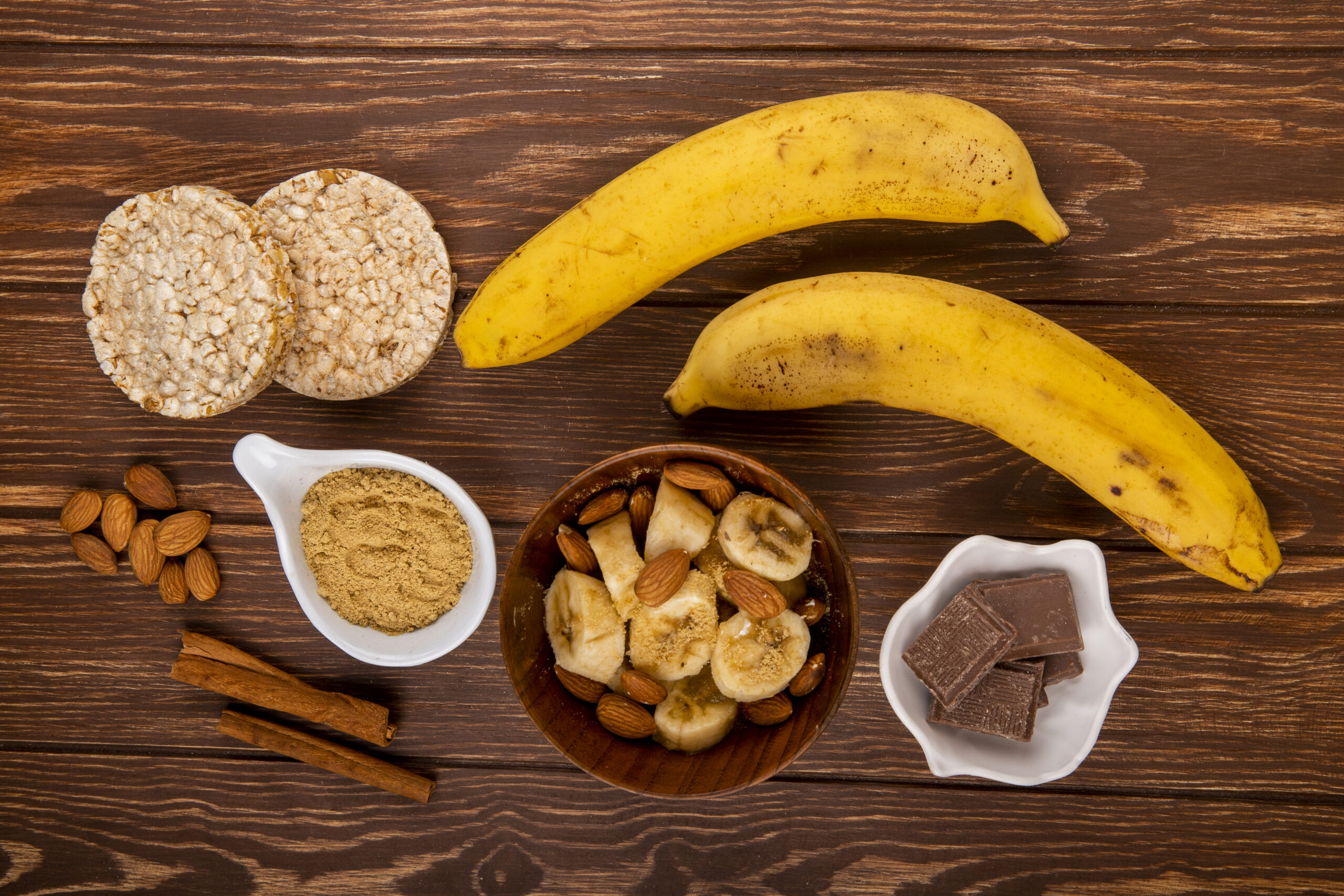
Bananas are a staple fruit enjoyed by people around the world for their natural sweetness and convenience. Beyond their appealing taste and portability, bananas offer a wealth of nutritional benefits that make them a valuable addition to any diet. From essential vitamins and minerals to dietary fiber and antioxidants, bananas contribute significantly to overall health. This article delves into the nutritional facts about bananas, their health benefits, and creative ways to incorporate them into your daily meals.
Bananas are a rich source of essential nutrients that contribute to a balanced diet. A medium-sized banana, approximately 118 grams, provides about 105 calories, making it a low-calorie snack option. The nutritional values per serving include 27 grams of carbohydrates, 3 grams of dietary fiber, and 14 grams of sugar. Bananas are also packed with vital vitamins and minerals, offering 12% of the recommended daily intake of vitamin C, 10% of vitamin B6, and 8% of magnesium.
Potassium is one of the standout nutrients in bananas, with a single serving providing around 422 milligrams, or 12% of the recommended daily value. This mineral is crucial for maintaining proper heart function and regulating blood pressure. Bananas also contain small amounts of other important nutrients, such as vitamin A, iron, and folate, contributing to their overall health benefits.
Incorporating bananas into your diet can provide several health benefits due to their rich nutrient profile. The high potassium content supports cardiovascular health by helping to lower blood pressure and reduce the risk of stroke. Additionally, the vitamin C and antioxidants found in bananas help combat oxidative stress, reducing the risk of chronic diseases.
Bananas are also known for their role in promoting mental health. The vitamin B6 found in bananas aids in the production of neurotransmitters like serotonin and dopamine, which are crucial for mood regulation. Regular consumption of bananas can help alleviate symptoms of depression and anxiety, contributing to overall mental well-being.
Bananas are an excellent source of dietary fiber, with each medium-sized fruit providing about 3 grams. This fiber content aids in promoting healthy digestion by adding bulk to stools and facilitating regular bowel movements. The natural fiber in bananas helps prevent constipation and supports a healthy digestive tract.
Moreover, bananas contain prebiotic compounds that nourish the beneficial bacteria in the gut. These prebiotics enhance gut health by promoting the growth of probiotics, which play a crucial role in maintaining a balanced microbiome. A healthy gut microbiome is linked to improved digestion, better nutrient absorption, and a stronger immune system.

Bananas have a moderate glycemic index (GI), typically ranging from 42 to 62 depending on their ripeness. The glycemic index information indicates how quickly a food causes blood sugar levels to rise. While ripe bananas have a higher GI due to increased sugar content, their fiber content helps moderate blood sugar spikes, making them a suitable snack for those monitoring their glucose levels.
Additionally, the resistant starch present in unripe bananas acts like soluble fiber, slowing down the digestion process and reducing the rate of glucose absorption. This makes bananas, especially when consumed in moderation, a good option for individuals with diabetes or those looking to manage their blood sugar levels effectively.
The concept of the “Daily Dozen,” popularized by nutrition experts, emphasizes the importance of consuming a variety of plant-based foods daily. Bananas fit seamlessly into this framework, providing a convenient and nutrient-dense option to meet daily fruit intake recommendations. Their versatility allows them to be easily incorporated into meals and snacks, whether eaten on their own, blended into smoothies, or added to oatmeal.
Bananas are not only a convenient fruit option but also a cost-effective choice for individuals seeking to maintain a healthy diet. Their availability year-round and relatively low cost make them accessible to a wide range of consumers, further supporting their role in a balanced diet.
Bananas are a versatile ingredient in the kitchen, particularly when it comes to baking. Their natural sweetness and moisture make them an excellent substitute for sugar and fats in recipes. Banana bread is a classic example, but there are numerous other banana-based recipes to explore, such as banana muffins, pancakes, and cookies.
For a healthier twist, consider using mashed bananas in place of some butter or oil in your favorite baked goods. This not only reduces the overall calorie content but also adds a nutritional boost with fiber and essential vitamins. Additionally, bananas pair well with a variety of flavors, allowing for creative combinations with ingredients like nuts, chocolate, and spices like cinnamon and nutmeg.
Despite their popularity, bananas are often surrounded by myths that can lead to misconceptions about their health benefits. One common myth is that bananas are fattening due to their carbohydrate content. In reality, the natural sugars and fiber in bananas provide a quick energy boost without leading to weight gain when consumed as part of a balanced diet.
Another misconception is that bananas lack protein and are therefore not suitable for a high-protein diet. While it’s true that bananas are low in protein, they can still be part of a protein-rich meal when paired with complementary foods like yogurt, nuts, or seeds. Understanding these facts can help individuals make informed choices about including bananas in their diet.