



- FOOD
How to Make Perfect Christmas Deviled Eggs

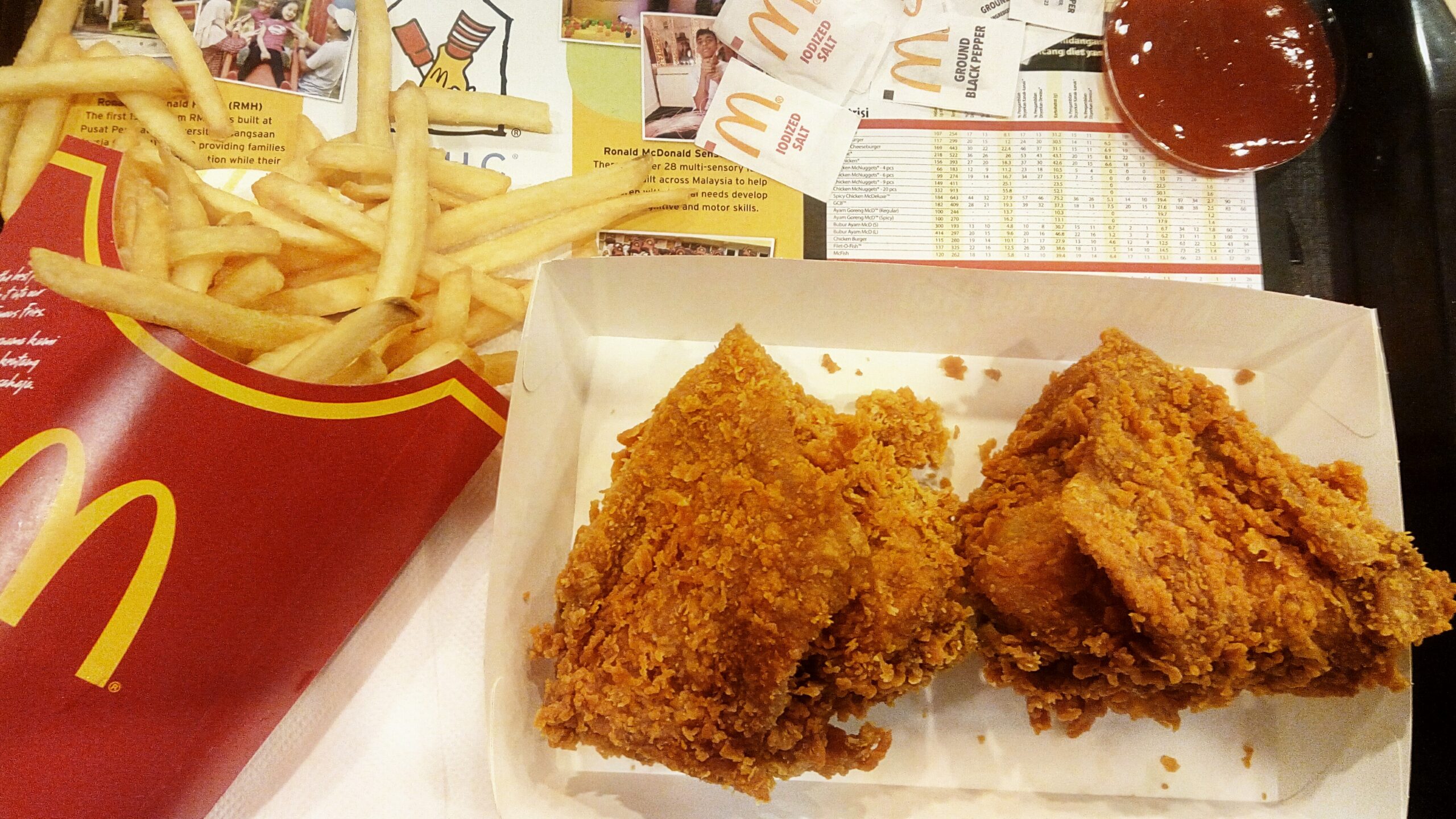
In today’s fast-paced world, fast food remains a convenient choice for many individuals seeking a quick meal on the go. McDonald’s, as one of the most iconic fast-food chains globally, offers a wide array of menu items that cater to various tastes and preferences. However, for those who are health-conscious or looking to maintain a balanced diet, understanding the nutrition facts at McDonald’s is essential. By exploring the nutritional values of popular items, comparing different menu choices, and debunking common myths about fast food nutrition, individuals can make informed decisions that align with their dietary goals.
When considering a meal at McDonald’s, it’s important to be aware of the nutritional content of the items you choose. McDonald’s provides a comprehensive nutrition calculator on their website, which allows customers to customize their meals and see detailed nutritional information. This tool is invaluable for those who wish to understand the calorie count, fat content, sugar levels, and other essential nutrients in their chosen meal.
For instance, a classic Big Mac contains approximately 550 calories, 29 grams of fat, and 25 grams of protein. Meanwhile, a medium order of French fries adds about 340 calories and 16 grams of fat to your meal. By using the nutrition calculator, you can mix and match items to suit your dietary needs while keeping an eye on your overall intake.
McDonald’s menu offers a variety of options that cater to different dietary preferences and nutritional needs. For beginners who are new to monitoring their nutritional intake, starting with the basics is key. The McChicken sandwich, for example, provides a simpler option with 400 calories and 21 grams of fat. Pairing it with a side salad instead of fries can help maintain a balanced meal.
For those more advanced in their nutritional journey, McDonald’s offers salads and grilled chicken options that are lower in calories and fat. The Southwest Grilled Chicken Salad contains around 350 calories and 11 grams of fat, making it a more nutrient-dense choice. Advanced menu choices allow individuals to enjoy their meal while adhering to stricter dietary guidelines.
Understanding the key nutritional components of McDonald’s menu items can help you make healthier choices. Pay attention to the macronutrients: carbohydrates, proteins, and fats. Carbohydrates provide energy, but it’s crucial to balance them with proteins and healthy fats to maintain satiety and energy levels.
Caloric content is a primary concern for many fast-food consumers. While McDonald’s offers high-calorie items like the Double Quarter Pounder with Cheese, which contains about 740 calories, there are also lower-calorie options available. Opting for a Filet-O-Fish, with 380 calories, can be a better choice for those monitoring their caloric intake.
Sodium and sugar levels are other critical factors to consider. Fast food is often high in sodium, which can contribute to hypertension if consumed in excess. The Sausage McMuffin with Egg, for instance, contains 830 milligrams of sodium. Monitoring sugar intake is equally important, especially in drinks and desserts. Choosing water or unsweetened iced tea over sugary sodas can significantly reduce sugar consumption.

Making healthier choices at McDonald’s involves a combination of strategic selection and portion control. Opt for grilled over fried items, such as the Artisan Grilled Chicken Sandwich instead of the Crispy Chicken Sandwich. Additionally, consider customizing your order by asking for no cheese or mayonnaise to reduce fat and calorie content.
Portion control is another effective strategy. Choosing a smaller size for fries or beverages can cut down on unnecessary calories. Incorporating fruits and vegetables, like the apple slices or side salad, adds fiber and essential nutrients to your meal.
There are numerous myths surrounding fast food nutrition that can mislead consumers. One common misconception is that all fast food is inherently unhealthy. While it’s true that many fast-food items are high in calories and fat, McDonald’s offers several healthier options that can fit into a balanced diet.
Another myth is that fast food lacks nutritional value. In reality, many menu items contain essential nutrients such as protein, vitamins, and minerals. The key is to choose wisely and be mindful of portion sizes. Additionally, the belief that fast food leads to immediate weight gain is exaggerated. Weight management depends on overall dietary habits and lifestyle choices, not occasional fast-food consumption.
Understanding the nutritional information for popular menu items at McDonald’s can assist in making informed choices. The Egg McMuffin is a breakfast favorite, offering 300 calories, 12 grams of fat, and 18 grams of protein. This makes it a relatively balanced option for those on the go.
For lunch or dinner, the Quarter Pounder with Cheese provides 530 calories and 27 grams of protein. While higher in calories, it can be part of a balanced meal when paired with a side salad and water. The McFlurry with M&M’s, a popular dessert choice, contains 640 calories and 23 grams of fat, highlighting the importance of moderation with sweet treats.
Incorporating fast food into a healthy diet is possible with mindful planning and moderation. Start by setting limits on fast-food consumption, such as treating it as an occasional indulgence rather than a regular meal. Balance your diet by ensuring that other meals throughout the day are nutrient-dense and lower in calories.
Physical activity is another crucial component of maintaining a healthy lifestyle while enjoying fast food. Regular exercise can help offset the caloric intake from fast-food meals and promote overall well-being. Lastly, stay informed about the nutritional content of your choices and use tools like the McDonald’s nutrition calculator to create meals that align with your health goals.
By understanding nutrition facts at McDonald’s and applying practical strategies, individuals can enjoy their favorite fast-food meals without compromising their dietary objectives. With informed choices and balanced habits, fast food can be part of a healthy lifestyle.