

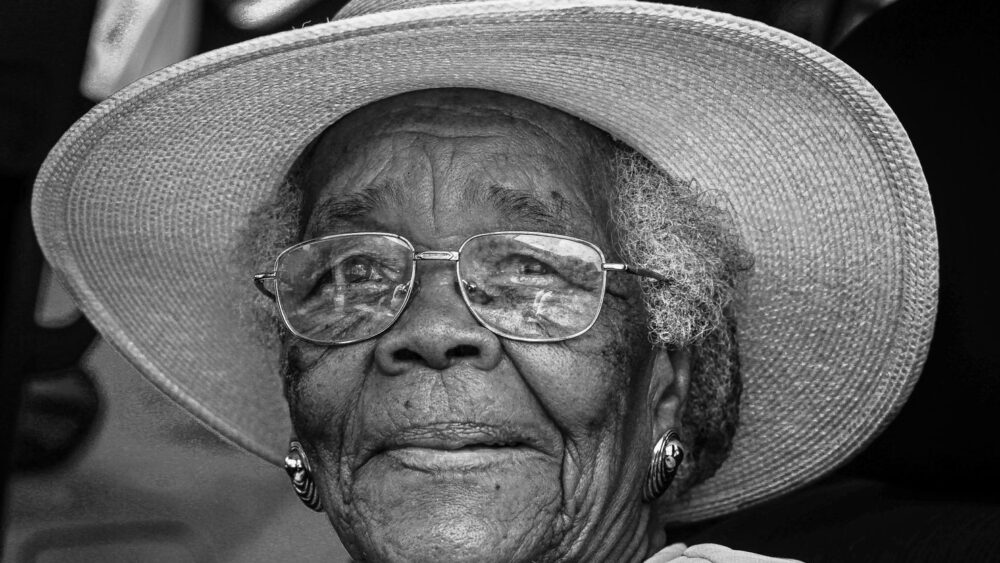
Old lady names are having a full-blown renaissance, and honestly, it was only a matter of time. The names our great-grandmothers wore with quiet dignity sat on the shelf for a generation or two, dismissed as fusty or old-fashioned, and now they’re back with serious style credentials. Parents who want something that sounds rooted, distinctive, and genuinely pretty are reaching past the current chart-toppers and pulling out the good stuff.
What counts as an old lady name? Think names that peaked in the early 1900s through the mid-20th century, that your grandmother or great-grandmother might have worn, and that carry a kind of worn-velvet charm. We’ve grouped them by feel below, from the soft and floral to the sharp and strong, so you can find the right flavor for your child.
Soft and Romantic Old Lady Names
These names have a gentle, almost musical quality. They feel like lace curtains and rose gardens, and they’re landing back on birth certificates in a big way.
Ada
A crisp, beautiful name with Germanic roots meaning “noble” or “nobility.” Ada has been climbing steadily for years, and it earns every bit of the attention. Short enough to stand alone, strong enough to anchor a longer name.
Adelaide
The full, regal form of Ada, meaning “noble kind” from the Old High German Adalheidis. Adelaide is back in serious style territory, beloved for its length, its rhythm, and the nickname options it opens up (Addie, Della, Heidi).
Alma
Latin and Spanish for “soul” or “nourishing,” and it wears both meanings gracefully. Alma is one of the most underrated names on this list, warm and soft but with real backbone. It’s been gaining momentum quietly for the past decade.
Beatrice
From the Latin Beatrix, meaning “she who brings happiness.” Beatrice has centuries of literary and royal pedigree, and modern parents are rediscovering it as a sophisticated alternative to the Bellas and Beatrixes on the current charts. Bea is an irresistible nickname.
Clara
Clear, bright, and Latin in origin, from clarus meaning “bright” or “famous.” Clara never fully disappeared, but it’s now a genuine trend-setter among vintage names. It sounds fresh without trying too hard.
Cora
From the Greek kore, meaning “maiden.” Cora has the same crisp, confident energy as Nora and Dora but feels slightly more unusual. It shot back into the spotlight partly through Downton Abbey and has stayed there.
Dora
A short form of Dorothy or Theodora, now standing on its own merits. Dora has shed its cartoon associations for a generation of parents who see only the vintage sweetness underneath. It’s genuinely charming.
Edith
Old English in origin, from Eadgyth, meaning “prosperity in war.” Edith sounds absolutely impeccable right now, the kind of name that’s both serious and soft. Edie as a nickname is practically irresistible.
Elspeth
The Scottish form of Elizabeth, meaning “my God is an oath.” Elspeth has a beautiful, slightly wild sound that feels distinct from the sea of Elizabeths and Elspies. It’s criminally underused outside of Scotland.
Emmeline
A medieval French name, a form of Emma, with Germanic roots meaning “whole” or “universal.” Emmeline has the warmth of Emma with a lot more personality. The suffragette connection (Emmeline Pankhurst) gives it serious depth.
Flora
Latin, from flos, meaning “flower.” Flora is the Roman goddess of spring, and the name carries that same blooming energy. It’s more distinctive than Florence right now, and just as lovely.
Harriet
The English feminine form of Harry, ultimately from Heinrich, meaning “home ruler.” Harriet is strong, warm, and deeply likable. The legacy of Harriet Tubman gives it a meaning that goes beyond etymology.
Isadora
From the Greek, combining Isis and doron (gift), meaning “gift of Isis.” Isadora is theatrical and beautiful, and Isadora Duncan gave it lasting cultural glamour. Izzy or Dora work as nicknames.
Louisa
The Latinate feminine of Louis, from the Old French and Germanic, meaning “famous warrior.” Louisa is more refined than Louise and more distinctive than Eloise. Louisa May Alcott keeps it firmly in the literary canon.
Mabel
From the Latin amabilis, meaning “lovable.” Mabel is one of the breakout vintage names of the past five years, beloved for its sweet sound and its playful, old-fashioned energy. Mae is a natural nickname.
Matilda
Old High German, from Mahthildis, meaning “mighty in battle.” Matilda is fierce underneath its storybook charm, and the Roald Dahl association seals the deal for literary-minded parents. Tilly is the obvious nickname, but Mattie works too.
Millicent
Germanic in origin, meaning “strong in work.” Millicent is long and a little grand, which is exactly why it’s appealing. Millie is the natural short form, and Millie is everywhere right now, making Millicent a smart full name to register.
Nell
Originally a medieval pet form of Helen or Eleanor, now a standalone name with real presence. Nell is one syllable of pure vintage charm. It sounds both ancient and completely modern.
Rosalind
Germanic roots with a Spanish overlay, meaning “pretty rose” in folk etymology, though the original Germanic meaning relates to “horse” and “soft.” Rosalind carries Shakespeare’s stamp from As You Like It, and Roz or Rosie work as nicknames.
Winifred
A Welsh name meaning “blessed peacemaking,” from Gwenfrewi. Winifred sounds grand but the nickname Winnie makes it immediately warm and approachable. This one is on the rise as parents look for long vintage names with good nickname options.
Sharp and Strong Old Lady Names
Not all vintage names are soft. These names have an edge, a confidence, a take-no-nonsense quality that makes them feel surprisingly modern.
Agnes
From the Greek hagne, meaning “pure” or “chaste.” Agnes sounds startlingly fresh to contemporary ears after decades of disuse. It’s the kind of name that cool parents in Scandinavia and the UK have been using for years, and it’s starting to cross over everywhere.
Augusta
Latin, feminine of Augustus, meaning “majestic” or “venerable.” Augusta is bold and imperial, and it wears that grandeur without apology. It’s a strong choice for parents who want something with real authority.
Bernadette
Germanic via French, the feminine of Bernard, meaning “brave bear.” Bernadette is long, rhythmic, and has a warmth underneath its strength. Bernie is an endearing nickname that works across generations.
Blanche
From the Old French, meaning “white” or “fair.” Blanche is stark and striking, and it’s starting to move again after decades of being associated entirely with A Streetcar Named Desire. It sounds bold and clean.
Clementine
Latin, from clemens, meaning “gentle” or “merciful.” Clementine is one of the most beloved names on this list, long and melodic with the irresistible nickname Clemmie. It’s been a darling of the vintage revival for good reason.
Constance
From the Latin constantia, meaning “steadfastness.” Constance is serious and solid, and the nickname Connie softens it without losing the strength. This one is poised for a real comeback.
Cordelia
Likely Celtic in origin, possibly meaning “daughter of the sea,” though the etymology is debated. Cordelia is literary (King Lear), lyrical, and unusual. It’s one of the most beautiful names in this whole list.
Dorothy
From the Greek Dorothea, meaning “gift of God.” Dorothy took a long break after its mid-century peak, but it’s coming back as parents reclaim Dot and Dottie as nicknames. The Wizard of Oz association is a plus, not a drawback.
Edna
Of Hebrew origin, possibly related to the Hebrew word for “pleasure” or “rejuvenation.” Edna is one of those names that’s so far out it’s coming back in. The writer Edna St. Vincent Millay gives it literary credibility.
Ethel
Old English, from aethel, meaning “noble.” Ethel is at peak cringe-to-cool transition right now. It sounds genuinely fresh to young ears who have never met an Ethel, and that’s exactly how vintage names make their comeback.
Gertrude
Germanic, meaning “spear of strength.” Gertrude is the boldest choice on this list and it knows it. Trudie is a wonderful nickname, and Gertrude Stein gives the name undeniable intellectual glamour.
Hilda
Old Norse and Germanic, from hild, meaning “battle.” Hilda is short, strong, and surprisingly lovely once you sit with it. It’s been reclaimed in Scandinavia and is starting to appear more in English-speaking countries too.
Leonora
A form of Eleanor or Helen, meaning “bright” or “torch.” Leonora is dramatic and operatic in the best possible way. Leo as a nickname for a girl feels genuinely fresh.
Mildred
Old English, from Mildthryth, meaning “gentle strength.” Mildred is the ultimate test of vintage courage. Millie is right there as a nickname, and for parents who want something truly unexpected, this one delivers.
Philippa
Greek, feminine of Philip, meaning “lover of horses.” Philippa is polished and underused in the United States, though it’s well-established in the UK. Pippa is one of the best nicknames in the English language.
Prudence
Latin, from prudentia, meaning “good judgment.” Prudence got a boost from the Beatles song and has never quite faded. Prue is a lovely, modern-feeling nickname.
Sylvia
Latin, from silva, meaning “forest” or “woods.” Sylvia is literary, elegant, and quietly nature-inspired. Sylvia Plath gives it an artistic edge, and it works beautifully across ages.
Ursula
Latin, from ursa, meaning “little bear.” Ursula is bold and unusual, and it’s ready for its moment. Parents brave enough to use it will find it sounds genuinely striking on a child.
Vera
Latin and Slavic, meaning “truth” or “faith.” Vera is one of the old lady names that has already crossed back into mainstream cool. It’s crisp, confident, and works at every stage of life.
Viola
Latin, meaning “violet.” Viola is Shakespearean (Twelfth Night), musical (it’s also an instrument), and deeply pretty. It has more personality than Violet and more gravitas too.
Gentle and Delicate Old Lady Names
These names have a softer, quieter presence. They feel intimate and sweet without being saccharine.
Alice
Old French and Germanic, meaning “noble kind,” closely related to Adelaide. Alice is one of the most enduring names in the English language, kept perpetually fresh by Lewis Carroll. It’s a top-tier vintage choice.
Cecily
The English form of Cecilia, from the Latin, possibly linked to the Roman family name Caecilius. Cecily is softer and more whimsical than Cecilia, and Oscar Wilde made it unforgettable in The Importance of Being Earnest.
Dorothea
Greek, meaning “gift of God,” the original form behind Dorothy. Dorothea is more unusual than Dorothy and more literary, thanks to George Eliot’s Middlemarch. Thea is a beautiful nickname option.
Eleanor
Of uncertain origin, possibly from the Old French or Provencal, meaning “bright” or “shining one.” Eleanor is a powerhouse vintage name that has already reclaimed serious chart territory. Eleanor Roosevelt gives it presidential weight.
Eliza
A short form of Elizabeth that long ago became a full name in its own right. Eliza is lively, literary (Shaw’s Pygmalion), and has a wonderful energy. It threads the needle between vintage and fresh.
Elsie
Originally a Scottish pet form of Elizabeth or Elspeth. Elsie is sweet and old-fashioned in the best possible way, and it’s been climbing charts in the UK for years. It sounds genuinely lovely.
Esme
From the Old French, meaning “esteemed” or “beloved.” Esme is one of the most beautiful names of the vintage revival, soft and unusual. It was used memorably by J.D. Salinger and later by Stephenie Meyer, which gave it a new audience.
Estelle
From the Old French and Latin, meaning “star.” Estelle is elegant and a little glamorous, a natural partner to Stella but with more vintage depth. It deserves far more attention than it currently gets.
Eugenia
Greek, feminine of Eugene, meaning “well-born.” Eugenia is grand and a little exotic to modern ears. Genie or Nia work as nickname options, and the name has a beautiful rhythm in full.
Frances
Latin, feminine of Francis, meaning “from France” or “free.” Frances is serious and warm, a name with real character. Frankie is one of the coolest nicknames going right now, and Frances gives you that option with substance behind it.
Genevieve
Of uncertain origin, possibly Gaulish or Germanic, meaning “tribe woman” or “woman of the race.” Genevieve is long and flowing and romantic. It has been gaining ground for years and shows no sign of stopping.
Helen
From the Greek Helene, meaning “torch” or “bright.” Helen is one of the oldest names in the Western world, and it’s due for a full comeback. It’s clean, classic, and sounds genuinely fresh after decades of lower usage.
Henrietta
French, feminine of Henry, meaning “home ruler.” Henrietta is grand and warm at the same time. Hattie and Etta are both charming nicknames that feel very current.
Ivy
From the Old English plant name, the climbing evergreen. Ivy has already made a major comeback and is firmly back in the top tier of vintage-inspired names. It’s short, strong, and nature-connected.
Josephine
Hebrew origin via French, feminine of Joseph, meaning “God will add” or “God will increase.” Josephine is regal and warm, and Josie is one of the sweetest nicknames in the language. It’s a top-shelf vintage choice.
Lavinia
Of Latin origin, from the ancient place name Lavinium. Lavinia is operatic and unusual, a name that sounds both ancient and fresh. It’s deeply underused for how beautiful it is.
Lillian
A form of Elizabeth or a diminutive of Lily, with Latin roots from lilium. Lillian has a graceful, old-fashioned warmth and the nickname Lily built right in. It’s been a consistent favorite in the vintage revival.
Lucinda
An elaboration of Lucia, from the Latin lux, meaning “light.” Lucinda is more unusual than Lucy or Lucia and has a romantic, almost dreamy quality. Cindy and Lucy both work as nicknames.
Lydia
From the Greek, meaning “woman from Lydia,” an ancient region of Asia Minor. Lydia is literary (Jane Austen’s Pride and Prejudice), musical, and beautiful. It has a wonderful rhythm and has been climbing steadily.
Maude
A medieval form of Matilda, meaning “mighty in battle.” Maude is stark and striking, and it’s starting to appear on adventurous parents’ lists. It has an almost cinematic quality.
Miriam
Hebrew, the original form of Mary, with debated meaning often translated as “beloved” or “sea of bitterness.” Miriam is one of the most ancient names in regular use and feels both rooted and fresh. It’s a serious, beautiful choice.
Nora
A short form of Honora, Eleanor, or Leonora, now standing fully on its own. Nora is one of the vintage names that has already crossed back into full mainstream popularity. Clean, warm, and completely lovely.
Ottilie
A German feminine name, from the Old High German Audovacar, meaning “fortune” or “wealth.” Ottilie is unusual and beautiful, well-used in Germany and starting to appear in English-speaking countries. Ottie is a sweet nickname.
Pearl
From the Latin perla, the precious gem of the sea. Pearl is warm and glowing and has been on a slow, steady climb. It’s one of those single-syllable vintage names with real presence.
Phoebe
Greek, meaning “bright” or “radiant,” one of the epithets of the moon. Phoebe is mythological, literary (As You Like It), and completely charming. It has genuine star quality without feeling showy.
Ruth
Hebrew, from the biblical name, meaning “friend” or “companion.” Ruth is one of the most quietly powerful names in the English language. Short, strong, and deeply rooted, it’s having a genuine moment.
Theodora
Greek, meaning “gift of God,” the feminine of Theodore. Theodora is grand and beautiful, and it comes loaded with nickname options: Thea, Teddy, Dora, Teddie. It’s one of the most exciting long vintage names right now.
Violet
From the Latin viola, the purple flower. Violet is already a full comeback success story and sits comfortably among the most popular vintage-revival names. It’s floral without being fragile.
Vivienne
From the Latin vivus, meaning “alive.” Vivienne has a French glamour and a wonderful energy. Viv is a perfect nickname, and the name wears well at every age.
Unexpected and Underrated Old Lady Names
These are the ones that take a little more nerve, but reward parents who are willing to go there. They’re genuine old lady names that most people haven’t thought of yet.
Arabella
Of uncertain origin, possibly a variant of Annabel or from the Latin orabilis, meaning “yielding to prayer.” Arabella is long and romantic and has a wonderful nickname in Bella or Ara. It’s more distinctive than Isabella while offering similar sounds.
Clarice
A medieval form of Clara or Clarice, from the Latin clarus, meaning “bright.” Clarice has a cool, slightly mysterious quality. It deserves a fresh look.
Cressida
From the medieval legend of Troilus and Cressida, likely derived from Greek Chryseis. Cressida is unusual and literary, and it has a striking, confident sound. It’s one of the boldest choices on this list.
Delia
From the Greek, meaning “from Delos,” an epithet of the goddess Artemis. Delia is sweet and a little forgotten, which makes it ripe for rediscovery. It has a warm, open sound.
Effie
A short form of Euphemia, from the Greek meaning “well-spoken.” Effie has a quirky, bright energy, and while it’s familiar from The Hunger Games, it has deep vintage roots. It works beautifully as a standalone name.
Eulalia
Greek, meaning “sweetly speaking.” Eulalia is long and musical and almost entirely unused in modern naming, which makes it genuinely exciting. Lali or Lia work as nicknames.
Evangeline
From the Greek euangelion, meaning “good news.” Evangeline is long and flowing and romantic, with a literary pedigree from Longfellow’s poem. Evie and Vangie are both lovely nickname options.
Felicity
Latin, from felicitas, meaning “happiness” or “good fortune.” Felicity is bright and optimistic, and it carries that meaning right on the surface. It’s been underused long enough that it feels genuinely fresh again.
Fidelia
Latin, feminine of Fidelius, meaning “faithful.” Fidelia is unusual and beautiful, with a warmth in its meaning. It’s one of those names that sounds immediately lovely once you hear it.
Flossie
A diminutive of Florence, from the Latin florens, meaning “flourishing.” Flossie is whimsical and sweet, and it has that slightly eccentric vintage energy that’s becoming genuinely stylish. Florence is the more popular choice, but Flossie has more personality.
Greta
A German short form of Margareta, meaning “pearl.” Greta is sharp and strong and has real star quality, thanks in part to Greta Garbo. It’s been gaining ground and feels both vintage and completely current.
Ida
Old Norse or Germanic, meaning “hardworking” or “industrious,” possibly also related to a mountain in Crete. Ida is short and strong and sounds surprisingly fresh. Ida B. Wells gives it serious historical weight.
Ines
The Spanish and Portuguese form of Agnes, meaning “pure.” Ines (also written Inez) is sleek and international, well-used in Europe and gaining ground in English-speaking countries. It’s a beautiful, understated choice.
Lottie
A diminutive of Charlotte, from the French feminine of Charles, meaning “free man.” Lottie is sweet and vintage and has been climbing in the UK for years. It works as a standalone or as a nickname for Charlotte.
Lucretia
Latin, from the Roman family name Lucretius, meaning uncertain but possibly related to lucrum, “profit” or “gain.” Lucretia is bold and unusual, and it has a dramatic, confident sound that more parents should consider.
Minerva
The Roman goddess of wisdom, possibly from an Etruscan root meaning “mind” or “intellect.” Minerva is strong and mythological and completely unexpected on a child. It’s the kind of name that makes people stop and take notice.
Opal
From the Sanskrit upala, meaning “precious stone.” Opal is a gem name with a warm, iridescent quality. It’s on the same comeback path as Pearl and Ruby, and it’s a beautiful choice.
Ottoline
A variant of Ottilie, Germanic in origin, meaning “fortune” or “wealth.” Ottoline is wonderfully eccentric and literary, associated with the famous Bloomsbury hostess Lady Ottoline Morrell. It’s a genuinely adventurous choice.
Rosalba
Italian, combining rosa (rose) and alba (white or dawn), meaning “white rose” or “rose of the dawn.” Rosalba is beautiful and almost entirely unused in English-speaking countries, which is a real missed opportunity.
Sophronia
Greek, from sophron, meaning “sensible” or “self-controlled.” Sophronia is long and unusual and has a wonderful rhythm. Sophie is right there as a nickname, giving it an easy everyday option.
Thomasina
The feminine form of Thomas, from the Aramaic, meaning “twin.” Thomasina is unexpected and warm, and Tommie or Sina work as nicknames. Tom Stoppard’s play Arcadia gave it a literary moment.
How to Choose the Right Old Lady Name
The first thing to consider is nickname culture in your family. Many of the best old lady names carry wonderful nicknames, and for some families, the nickname is the real daily name. If you love Millie but want something more on the birth certificate, Millicent, Camille, or Amelia all deliver. If you love Edie, Edith gets you there. Think about what you’ll actually be calling this person at the dinner table.
Next, think about sound pairings with your last name. Long, flowing names like Clementine, Evangeline, and Theodora tend to need a shorter surname to breathe. Short, punchy vintage names like Ada, Nell, and Vera can handle both short and long last names. Say the full name out loud several times, including with your last name, before you commit.
Consider the generation gap factor. Names like Nora, Clara, and Violet have already crossed back into mainstream popularity, so they feel vintage but not at all risky. Names like Gertrude, Mildred, and Ethel are still in the “brave choice” category, and they’ll get more raised eyebrows, at least for now. Neither choice is wrong, but knowing where a name sits on that spectrum helps you make the decision with clear eyes.
Finally, trust the name itself. Old lady names have a built-in quality assurance: they’ve already proven they can last. A name that was loved for the first half of the twentieth century and is being loved again now has genuine staying power. That’s not nothing.
The best old lady names are the ones that feel like they were waiting for exactly this child. Whether you go with the already-resurgent Eleanor or the still-sleeping Sophronia, you’re reaching into a deep well of naming history and pulling out something real. That’s a pretty good place to start.