
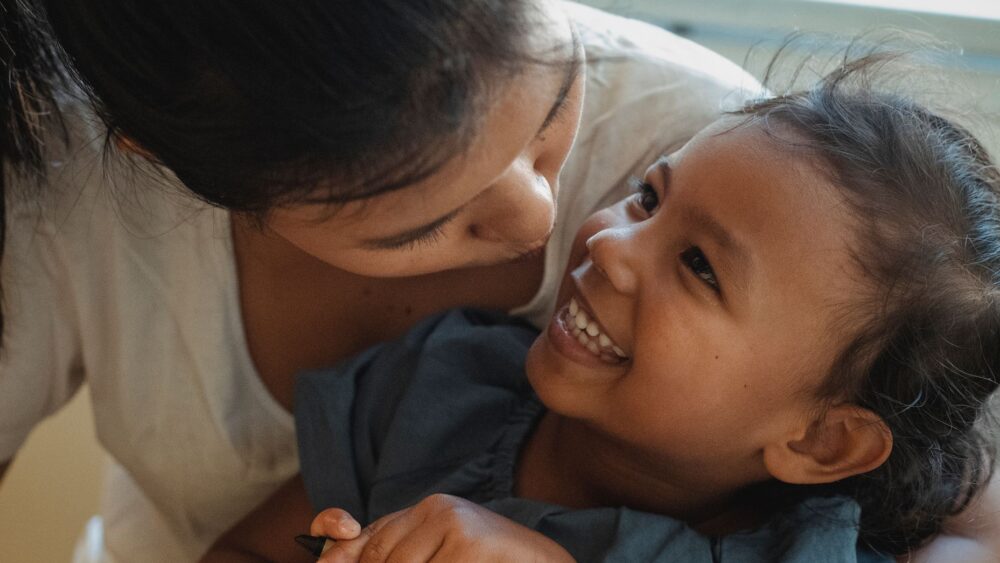
Mom names are the words, titles, and terms of endearment that children use to address or refer to their mothers. They range from the universal “Mom” and “Mama” to regional nicknames, cultural variations, and affectionate pet names that families invent on their own. Understanding the landscape of mom names is genuinely useful whether you are expecting, curious about how other cultures address mothers, or just want to know what your toddler might land on.
This guide covers the most common and beloved terms for mothers across languages, cultures, and family traditions. Some are ancient. Some are distinctly modern. All of them carry the same weight: the word a child reaches for first.
Classic English Mom Names
These are the terms most English-speaking children grow up using. They are familiar, warm, and deeply embedded in the culture.
Mom
The most common term for mother in American English, “Mom” is short, direct, and universally understood. It likely developed as a shortened form of “Mommy” or as a natural child-speech simplification of “Mama.” In American households it is the default, and it carries an enormous amount of emotional weight in just three letters.
Mommy
The classic small-child version, “Mommy” adds a suffix that softens and infantilizes in the best possible way. Most children start here and gradually shift to “Mom” as they get older, which makes “Mommy” feel tender and nostalgic to mothers who hear it from a teenager for the first time in years.
Mama
“Mama” is one of the oldest and most cross-cultural terms on this list, appearing in dozens of languages with nearly identical form. In English it has had a revival as a stylish, warm alternative to “Mom,” used by parents who want something that feels a little more connected and a little less suburban. It also shows up heavily in parenting culture as a self-identifier: “mama bear,” “new mama,” and so on.
Mother
“Mother” is the formal English term, descended from Old English “modor” and related to similar words across Germanic and Indo-European languages. It is less often used as a direct address in daily life and more often used in formal, literary, or emotional contexts. Saying “Mother” instead of “Mom” in conversation signals something: distance, reverence, or a particular kind of family culture.
Mum
The British and Australian standard. “Mum” is functionally identical to American “Mom” but carries a distinct cultural flavor that immediately reads as British English. Children in the UK, Ireland, Australia, and New Zealand grow up with “Mum” the way American kids grow up with “Mom.”
Mummy
The British equivalent of “Mommy,” used by young children and retained affectionately into adulthood by many British adults. It sounds formal to American ears but is entirely warm and ordinary in British family life.
Ma
“Ma” is a stripped-down, no-frills term for mother that has a working-class and rural charm to it in American English. It also appears in Irish English and in older American dialects. It feels genuine and unaffected, which is exactly why it has never fully gone away.
Momma
A Southern American and African American English variant of “Mama,” “Momma” has a warmth and groundedness to it that feels distinctly American. It is used both as a direct address and as a term of pride, as in “my momma raised me right.”
Global and Multilingual Mom Names
One of the most fascinating things about terms for mother is how similar they sound across completely unrelated languages. The “ma” and “na” sounds are among the first a baby makes, and cultures around the world have built their word for mother around them.
Maman
The French term for mother, used both formally and affectionately. “Maman” is the word French children use the way English children use “Mommy” or “Mom.” It has a lovely sound to English ears and has been adopted by some English-speaking families who want something a little more lyrical.
Mama (Spanish and Italian)
In Spanish and Italian, “Mama” (sometimes written “Mamá” in Spanish with a stress accent) is the warm, everyday term for mother. It is functionally equivalent to “Mom” in English and is the word children reach for first in both cultures.
Madre
The formal Spanish and Italian word for mother, equivalent to “Mother” in English. It is used in more serious or formal contexts and carries a weight of tradition. “Mi madre” in Spanish is a deeply respectful way to reference one’s mother.
Mère
The formal French word for mother, as in “Notre-Dame” (Our Lady). It is the root of many French family terms and appears in formal address, literature, and religious contexts more than in everyday child-to-parent speech.
Mutter
The German word for mother, directly related to the English “mother” through their shared Germanic ancestor. German children more often say “Mama” in everyday speech, while “Mutter” carries a slightly more formal or literary register.
Mor
The word for mother in Danish, Norwegian, and Swedish. Short, clean, and phonetically distinctive, “Mor” is the standard everyday term used by Scandinavian children.
Moeder
The Dutch word for mother, again sharing the Germanic root with “mother” and “Mutter.” Dutch children typically use “Mama” in speech, while “Moeder” appears in more formal writing and address.
Mãe
The Portuguese word for mother, used in both Portugal and Brazil. It is short and phonetically interesting, with a nasal vowel that gives it a sound unlike any of its Romance cousins. Brazilian children use “Mãe” the way English children use “Mom.”
Nana
“Nana” is used as a term for mother in some cultures, though in many English-speaking families it has shifted to mean grandmother instead. In Greek, “Nana” can be an affectionate term. The overlap between mother-terms and grandmother-terms is common across cultures as families adapt words over generations.
Okaasan
The Japanese word for mother used when speaking to or about someone else’s mother respectfully. Japanese children address their own mother as “Okaa-san” or, more casually, “Okaachan.” The language has a formal and informal register built right into the word.
Eomma
The Korean word for mom, used in casual speech. It is warm and immediate, the word Korean children say when they want their mother’s attention. The more formal term is “Eomeoni,” used in respectful or formal contexts.
Mama (Swahili and many African languages)
“Mama” in Swahili is not only the word for mother but is also used as a respectful term of address for any older woman. This double function gives it a communal warmth that goes beyond the nuclear family.
Ima
The Hebrew word for mother, used in Israeli families. It is short, warm, and phonetically easy for young children. “Ima” is the everyday word, while the more formal “Em” appears in biblical and literary Hebrew.
Amma
Used as the word for mother in Tamil, Telugu, and several other South Indian languages, “Amma” is one of the most widely used mom names in the world given the size of those language communities. It is also used in some Arabic-speaking contexts as an affectionate term.
Maa
The Hindi and Urdu word for mother, used across much of South Asia. “Maa” is tender and immediate, the word that comes out in moments of need or love. It is also used reverently in religious contexts, as in “Maa Durga.”
Mere / Whaea
In Maori, “Whaea” is the word for mother, while “Mere” is used in some contexts. Maori naming and family vocabulary is deeply tied to whakapapa (genealogy), making terms for parents carry extra cultural weight.
Affectionate Nicknames and Pet Names for Mom
Beyond the standard cultural terms, families invent their own variations all the time. These affectionate nicknames often start with a child’s mispronunciation and stick for decades.
Momsi
A playful, affectionate twist on “Mom” that some families use informally. It has a slightly retro, fun energy to it, like something from a 1950s sitcom that has aged into genuine charm.
Mamacita
A Spanish diminutive of “Mama,” technically meaning “little mama.” It is used affectionately within families and also appears widely in pop culture as a term of endearment. In family contexts, it tends to be warm and celebratory.
Momzie
A modern, informal variant that some American families use as a nickname. It has the feel of something a teenager coined and a mother decided she liked. These invented variants are genuinely common in family life even if they rarely make it into dictionaries.
Marmee
The term the March sisters use for their mother in Louisa May Alcott’s “Little Women.” It is an old-fashioned variant of “Mama” or “Mammy” and has a literary warmth that some readers carry into real life as an affectionate nickname.
Mammy
An older and dialectal English term for mother, used in Ireland and parts of Britain as a warm everyday word. In Irish English in particular, “Mammy” is the standard term used well into adulthood without any sense of infantilism. Its American history is more complicated due to its use in racist caricature, but in Irish and British English it is simply a loving word for mom.
Mommio
A playful, informal variant with a mid-century American feel. Some families land here naturally, and the “-io” suffix gives it a slightly goofy, affectionate energy that fits easy-going family cultures well.
Honorific and Title-Based Mom Names
Some ways of addressing mothers carry a formal or ceremonial weight, used in specific cultural, religious, or social contexts.
Matriarch
Not a direct address but a title, “matriarch” refers to the mother who is the head of a family or community. It is used with deep respect and is often applied to grandmothers or great-grandmothers who hold a family together. In African American family culture especially, the matriarch role carries enormous honor.
Mère Supérieure
In Catholic religious life, “Mother Superior” or “Mère Supérieure” is the title given to the head of a convent. It is a formal use of “mother” that emphasizes authority, care, and spiritual leadership simultaneously.
Birth Mother
A specific and meaningful term in adoption contexts, “birth mother” refers to the woman who gave birth to a child. It is a respectful, precise term that acknowledges a specific kind of maternal relationship without diminishing any other.
Foster Mother
Similarly specific, “foster mother” names the woman who provides care and home to a child in foster care. The “mother” part of the title is intentional and meaningful, acknowledging the full weight of the role.
Godmother
A religious and social title given to a woman who sponsors a child at baptism and takes on a role of spiritual guidance and support. In many cultures the godmother relationship is taken extremely seriously and is a genuine form of extended maternal connection.
Modern and Pop Culture Mom Names
How mothers are addressed and talked about has shifted in contemporary culture, with new terms emerging from parenting communities, social media, and changing family structures.
Mama Bear
A modern pop-culture term for a fiercely protective mother. It started as a metaphor and has become a genuine self-identifier for many mothers who wear the “protective” label proudly. You will find it on mugs, T-shirts, and social media bios everywhere.
Momager
A portmanteau of “mom” and “manager,” used to describe a mother who manages her child’s career. It was popularized by the Kardashian family’s use of the term for Kris Jenner. It has since entered general use for any parent-manager dynamic.
Mompreneur
Another portmanteau, combining “mom” and “entrepreneur.” It is used within parenting and business communities to identify mothers who run their own businesses, often while raising children. Some find it empowering; others find it reductive. Either way, it is firmly in the cultural vocabulary.
Momtog
Slang for a mother who is also a photographer, particularly one who documents her family extensively. It emerged from photography communities and parenting blogs and reflects the way modern identities blend parenting with personal passions.
Solo Mom / Single Mom
“Single mom” is the widely used term for a mother raising children without a partner. “Solo mom” is a variant preferred by some women who chose single parenthood intentionally, particularly through sperm donation or adoption, as it feels more active and less defined by absence.
How to Choose What Your Children Call You
If you are expecting and thinking about what term you want your child to use for you, the good news is that you have more agency than you might think. Many parents choose their preferred term before birth, introduce it consistently, and it sticks. Others leave it to the child and end up with something unexpected that becomes treasured.
Cultural background is a natural starting point. If you grew up saying “Mama” or “Maman” or “Amma,” using that same term with your own children is a way of passing something real down. It connects your child to a lineage of language and family identity that goes back generations.
Sound matters more than you might expect. Very young children gravitate toward words with open vowel sounds and repeated syllables, which is exactly why “Mama,” “Dada,” and “Nana” appear across so many languages. If you want a term your baby will be able to say early, lean toward something with those features.
It is also completely fine to let it evolve. Many mothers start as “Mommy,” become “Mom” to school-age children, get called “Ma” by teenagers, and end up “Mama” again when their adult children want to be tender. The word shifts with the relationship, and that is not a loss. It is a record of how a family grows.
If you are part of a same-sex couple or a blended family, intentionally choosing differentiated terms for each parent is both practical and meaningful. Some families use “Mama” and “Mommy,” others choose terms from different languages, and others simply invent something new. The only rule is that it works for your family.