

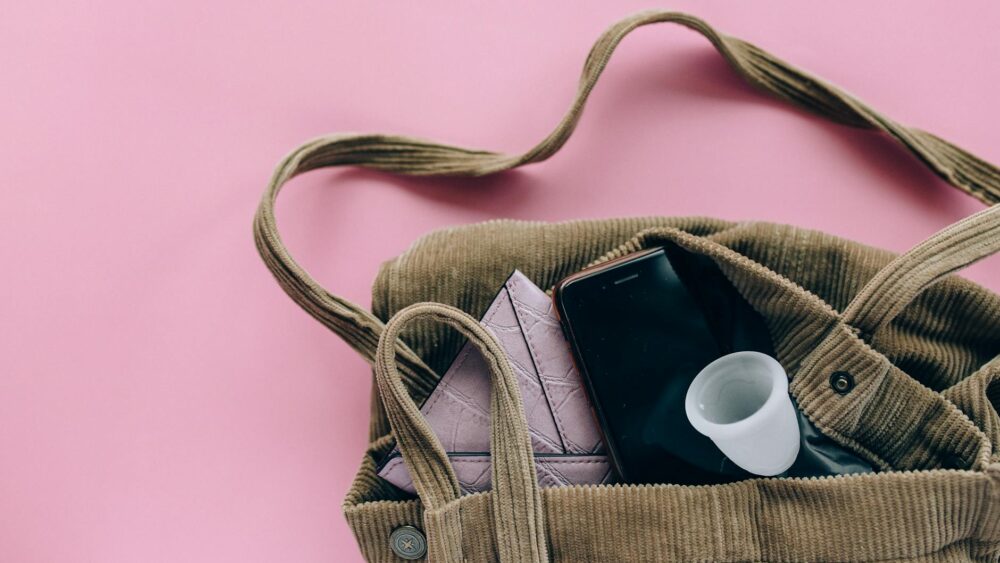
Most hospital bag packing lists were written by someone who has never actually labored for 18 hours, forgotten their phone charger, or tried to put on a hospital gown with an IV in their arm. This one is different. These are the hospital bag essentials that real moms swear by, the things that actually got used, the things they wished they’d packed, and a few things they’re glad someone talked them out of.
Pack your bag around 35-36 weeks. Earlier if you’re carrying multiples or have had any complications. You do not want to be throwing a toiletry bag into a duffel between contractions.
Before You Pack: The Bag Itself Matters
A rolling suitcase sounds practical until you’re navigating a hospital corridor at 3 a.m. with a partner carrying a car seat. Most moms end up preferring a large duffel with multiple compartments, or two separate bags: one for labor, one for recovery and baby.
The two-bag system is the move. Labor bag stays in the room. Recovery bag lives in the car until after delivery, when you actually need it. This keeps you from rooting through newborn onesies while you’re trying to find your lip balm mid-contraction.
- Labor bag: everything you need during active labor and delivery
- Recovery bag: postpartum clothes, baby gear, going-home outfits
- Personal item (purse or small backpack): documents, phone, charger, snacks
Documents and Paperwork: Get This Right First
This is the category where forgetting something actually causes real problems. Everything else on this list can be improvised or borrowed. These cannot.
What to Bring
- Photo IDdriver’s license or passport
- Insurance cardboth sides photographed on your phone as a backup
- Birth planprinted copies, at least three (one for your chart, one for your nurse, one for your partner)
- Hospital pre-registration paperworkif your hospital uses it, bring the confirmation
- Pediatrician’s name and contact informationthe hospital will ask
- Your OB or midwife’s after-hours number
- Cord blood banking kitif you’ve enrolled in a program, this must come with you
Keep these in a folder or a zippered pouch so they’re not loose at the bottom of your bag. Your partner should know exactly where this pouch is.
Labor and Delivery Essentials: The Things That Actually Help
Labor is unpredictable. You might use everything in this section, or you might have a fast delivery and barely unzip your bag. Pack for the long labor and hope for the short one.
Comfort and Pain Management
- Lip balmbreathing through contractions dries your lips fast; this is non-negotiable
- Hair ties and clipspack more than you think you need
- A small handheld fanlabor makes you hot, and hospital rooms are stuffy
- Massage oil or lotionfor back labor especially, your partner will thank you for remembering this
- Tennis ball or massage rollercounterpressure on the lower back is one of the most effective non-medical pain relievers
- Heating pad (cordless if possible)many hospitals have them, but bringing your own means you don’t have to ask
- Your own pillowhospital pillows are flat and covered in crinkly plastic; put a colorful pillowcase on yours so it doesn’t get mixed up with hospital linens
- Grippy socks or slippersyou will walk the halls. hospital floors are cold
- A cozy robefor walking, laboring, and not feeling like a patient every second
Entertainment and Focus
- A curated playlistloaded offline on your phone before you leave home. streaming is unreliable in hospital buildings
- Bluetooth speakersmall, charged, and worth it
- Headphonesfor the moments when you want to go inward
- A book or magazineearly labor can involve a lot of waiting
- Printed photos or a small meaningful objectsomething to focus on during contractions. this sounds old-fashioned and genuinely works
Snacks (This Section Is Serious)
- Electrolyte drinks or packetscoconut water, sports drinks, or dissolvable packets
- Honey sticks or glucose chewsfast energy that’s easy to swallow mid-labor
- Protein barsfor your partner, who will forget to eat for 12 hours
- Hard candies or lollipopssomething to focus on and suck on during contractions. many nurses recommend them
- Easy snacks for after deliverycrackers, nut butter packets, dried fruit. you will be ravenous within an hour of delivery and hospital food has a schedule
Many hospitals restrict food during active labor, especially if there’s any chance of a C-section. Check your hospital’s policy in advance, and pack snacks that can wait in the bag without issue.
Tech and Charging: Don’t Skip This
You will be in the hospital for one to four days. Your devices will die. Pack like someone who has learned this lesson the hard way.
- Phone charger and a backup portable batterythis is the one thing most moms say they wished they’d had more of
- Tablet or laptopoptional, but genuinely useful for long labors and recovery nights
- Camera or camera chargerif you use a dedicated camera, charge it before you leave and bring the charger
- Extension cord or multi-outlet adapterhospital outlet placement is notoriously bad. an extension cord is a genuine quality-of-life item
- Earbuds or AirPods with their case charged
Toiletries and Personal Care: Comfort Over Aesthetics
You are not packing for a spa weekend. You are packing for a situation where you will be sweaty, exhausted, and possibly in a hospital gown for 48 hours. Pack for function.
The Basics
- Travel-size shampoo and conditioner
- Body wash or soap
- Facial cleanser and moisturizeryour skin will thank you on day two
- Toothbrush and toothpaste
- Deodorant
- Dry shampooa genuine lifesaver on day two post-delivery
- Hairbrush or comb
- Makeup, if it makes you feel humana tinted moisturizer and mascara take 90 seconds and matter for photos
Postpartum-Specific Care
- Witch hazel pads (Tucks or similar)hospitals often provide these, but having your own means you don’t have to ask every time
- Peri bottleagain, the hospital gives you one, but a better-designed one (like the Frida Mom version with the angled nozzle) is worth bringing
- Comfortable maxi padshospital pads are enormous and effective. your own thin overnight pads are better once bleeding lightens
- Nipple cream (lanolin or a plant-based alternative)start using it before your milk comes in
- Nursing padsleaking starts earlier than most people expect
Clothes for You: Practical and Not Miserable
The hospital gown is not your only option. You can labor and recover in your own clothes if you want to, and most moms who try it don’t go back to the gown except when they have to.
Labor
- A loose-fitting nightgown or labor gownsomething that opens in the back or front for monitoring access. there are purpose-built labor gowns that are genuinely worth the purchase
- Warm socksyou will want them
- A sports bra or comfortable bralettefor those who want support during labor
Recovery and Going Home
- Two or three nursing bras or sleep braswhether or not you breastfeed, your breasts will need support
- High-waisted soft underwear, several pairsgo one size up from your normal. mesh hospital underwear is genuinely good but runs out
- Loose pajama pants or shorts
- A comfortable going-home outfitmaternity leggings and a loose top. whatever you wore at 7-8 months is a safe bet for fit
- Cardigan or zip-up hoodiehospitals are cold, especially at night
- Flip-flops for the shower
For Your Partner or Support Person
Your partner is going to be there for a long time, possibly sleeping on a recliner chair that was designed by someone who has never tried to sleep in a recliner chair. Pack for them too, or send them a packing list of their own.
- Change of clothes for two daysthey will forget this if you don’t remind them
- Their own toiletriestoothbrush, deodorant, travel-size basics
- A blanket and travel pillowthe hospital provides almost nothing for the support person
- Snacks and cashhospital cafeterias close. vending machines require cash more often than they should
- Their phone charger and a portable battery
- A list of people to call/text after deliveryso they don’t have to think about it in the moment
- Comfortable shoesthey’ll be on their feet for hours
Baby Gear: Just What You Need at the Hospital
The hospital provides almost everything for the baby during your stay. You do not need to pack a full nursery. What you need is limited and specific.
Clothes and Swaddles
- Two or three newborn onesiesthe hospital provides a hat and a swaddle, but a soft outfit for photos is worth having
- A going-home outfitone that works for the season. a footed sleeper is the easiest option
- Your own muslin swaddle blanketoptional, but a soft familiar blanket is nice for photos and for the car ride
Feeding
- Nursing pillowa Boppy or similar. the hospital may have one, but having your own means you’re practicing with the thing you’ll use at home
- Nipple shield (if your lactation consultant has recommended one)not everyone needs this. ask your midwife or OB if you’re unsure
- Formula and bottles if you’re formula feedinghospitals often have formula, but your preferred brand may not be available
The Car Seat
- Installed in the car before your due datethe hospital will not let you leave without it. most fire stations will check your installation for free and it is worth doing
Things Most Lists Include That You Can Actually Leave Home
Packing too much is a real problem. An overstuffed bag is exhausting to manage, and hospitals are not spacious. These are the items that show up on almost every list but that real moms report rarely touching.
- Full makeup kitone or two items, not the whole collection
- Multiple booksone is enough. you will likely not read
- A birth ballmany hospitals have them. call ahead and ask before hauling one
- Newborn shoessweet, completely unnecessary, newborns do not walk
- A full wardrobe of baby clothestwo to three outfits maximum. you’re going home in two days
- Expensive jewelryleave it at home
- Your entire skincare routinethe travel-size essentials only
What the Hospital Actually Provides (So You Don’t Double-Pack)
Knowing what the hospital gives you prevents over-packing, which is just as real a problem as under-packing. Most hospitals provide the following, though it’s always worth calling your specific hospital to confirm.
- Hospital gown
- Mesh underwear (several pairs)
- Overnight maxi pads
- Peri bottle
- Witch hazel pads
- Ice packs for perineal discomfort
- Baby swaddle blankets and a hat
- Diapers and wipes for the hospital stay
- Bulb syringe for baby’s nose
- Basic formula if needed
- Nipple cream samples from the lactation team
You can take most of these home with you. The mesh underwear, extra pads, peri bottle, and baby diapers are all fair game to pack in your recovery bag when you leave. Ask your nurse. they’ll almost always say yes.
A Note on C-Section Packing
If you know you’re having a planned C-section, or if you’ve had one before, a few adjustments make a real difference.
- High-waisted underwear specificallyyou want the waistband well above your incision. low-rise anything will be uncomfortable
- Loose dresses or nightgownswaistbands in general will be uncomfortable for several days
- A belly binder or abdominal support garmentask your OB if they recommend one. many do
- Slip-on shoes onlybending down will not be easy
- Stool softenerthe hospital will provide this, but having your own means you control the timing. your OB can advise on what’s appropriate
- Extra days’ worth of clothesC-section recovery stays are typically two to four days rather than one to two
How to Actually Pack the Bag (Not Just What to Put in It)
Pack in order of when you’ll need things. What you need first should be on top or in the most accessible pocket. Burying your lip balm under the baby’s going-home outfit is a mistake you’ll only make once.
Label or color-code your bags if you’re using multiple. A simple sticky note on each bag (“labor,” “recovery,” “baby”) prevents your partner from handing you a newborn onesie when you asked for your phone charger.
Do a dry run. Zip everything up, put it by the door, and make sure you can actually carry it. Then add your partner’s bag and the car seat. If you can’t manage it reasonably, something comes out.
Leave one small zippered pouch on your nightstand right up until you go: phone charger, current book or tablet, your glasses or contacts case, and your everyday lip balm. Add that pouch last. It’s always the things you use every day until the morning you leave that get forgotten.
The Final Checklist: 60 Hospital Bag Essentials
Here is the full list consolidated, so you can use it as a checklist when you’re actually packing.
- Photo ID
- Insurance card
- Birth plan (printed, multiple copies)
- Pediatrician contact information
- Hospital pre-registration confirmation
- Cord blood banking kit (if applicable)
- Lip balm
- Hair ties and clips
- Small handheld fan
- Massage oil or lotion
- Tennis ball or massage roller
- Cordless heating pad
- Your own pillow with a distinct pillowcase
- Grippy socks or slippers
- Cozy robe
- Offline playlist loaded on your phone
- Bluetooth speaker
- Headphones or earbuds
- Book or magazine
- Printed photo or meaningful object
- Electrolyte drinks or packets
- Honey sticks or glucose chews
- Protein bars (for your partner)
- Hard candies or lollipops
- Easy recovery snacks
- Phone charger
- Portable battery pack
- Extension cord or multi-outlet adapter
- Camera and charger
- Travel-size shampoo and conditioner
- Body wash
- Facial cleanser and moisturizer
- Toothbrush and toothpaste
- Deodorant
- Dry shampoo
- Witch hazel pads
- Angled peri bottle
- Comfortable maxi pads
- Nipple cream
- Nursing pads
- Labor gown or loose nightgown
- Two to three nursing bras
- High-waisted soft underwear (multiple pairs)
- Loose pajama pants
- Going-home outfit for you
- Cardigan or zip-up hoodie
- Flip-flops for the shower
- Partner’s change of clothes
- Partner’s toiletries
- Blanket and travel pillow for partner
- Snacks and cash for partner
- Two to three newborn onesies
- Going-home outfit for baby
- Muslin swaddle blanket
- Nursing pillow
- Formula and bottles (if formula feeding)
- Car seat installed before departure
- Stool softener (especially for C-section)
- Belly binder (if recommended by your OB)
- Zippered pouch for daily-use items added last
That’s your list. Sixty things that real moms have actually used, from the documents folder to the last-minute zippered pouch. Pack the bag, put it by the door, and then try to sleep. You’re almost there.