

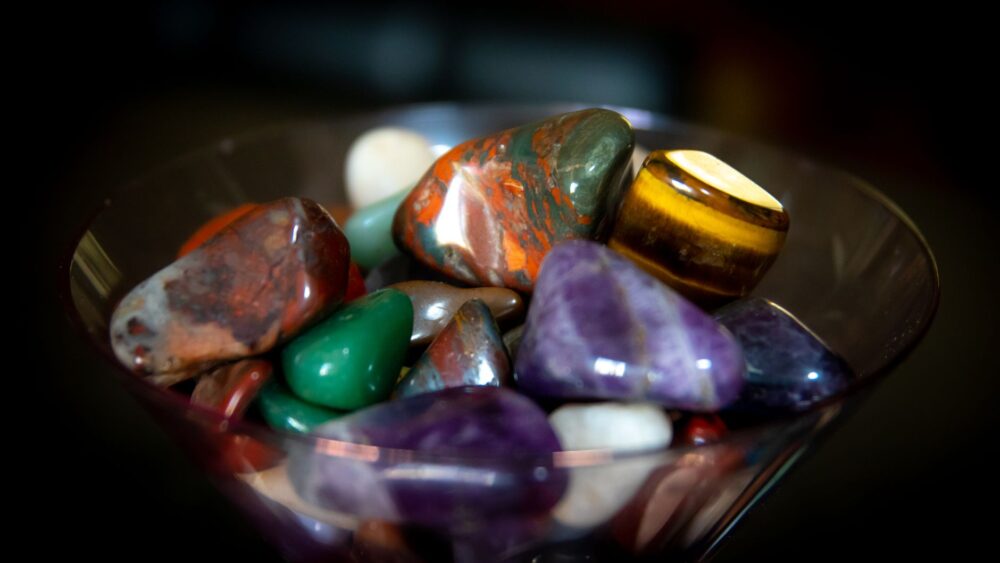
Gem names sit at a rare intersection of beauty, meaning, and substance. A name like Ruby or Pearl carries centuries of lore behind it, associations with passion, purity, wisdom, and worth, while newer picks like Zircon or Topaz feel fresh precisely because so few parents have thought to use them yet. If you want a name that is visually beautiful, semantically rich, and deeply rooted in the natural world, the gemstone category delivers.
This list covers the full spectrum: beloved classics that have earned their place on the charts, overlooked stones that deserve far more attention, and a few cultural gems from languages outside English that name-lovers tend to miss.
Classic Gem Names That Have Stood Their Ground
These are the names most people picture when they think of gem names, the ones with real chart history and genuine cultural weight. Classic does not mean boring; it means proven.
Ruby
From the Latin rubeusmeaning red, Ruby is the name of the deep crimson corundum stone long associated with passion, vitality, and protection. It peaked in the early twentieth century, fell away for decades, and has roared back to become one of the most popular girl’s names in the English-speaking world. The comeback is completely deserved.
Pearl
Pearl comes from the Latin perla and was a top-ten name in the United States around the turn of the twentieth century. The pearl itself has always symbolized purity, wisdom gained through experience, and hidden beauty formed under pressure. It feels both old-fashioned and quietly modern now.
Jade
Jade entered English from the Spanish piedra de ijadameaning stone of the flank, because it was believed to cure kidney ailments. The green stone has deep significance in Chinese, Mesoamerican, and Maori cultures. As a name, Jade is gender-neutral in practice, though it leans feminine in most English-speaking countries.
Opal
From the Sanskrit upalameaning precious stone, Opal was fashionable in the late Victorian and Edwardian eras and is now in confident revival. The stone’s play of color, flashing greens, blues, and reds from a single surface, makes it one of the most visually spectacular gems, and the name carries all of that iridescent energy.
Amber
Amber is fossilized tree resin rather than a mineral, but it has been prized as a gemstone since antiquity. The name comes from the Arabic anbar and has been a steady chart presence since the 1970s and 80s. It is warm, golden, and approachable.
Crystal
Crystal comes from the Greek krystallosmeaning ice, and was used for clear quartz that ancient people believed was permanently frozen water. It was enormously popular in the 1980s in the United States and still carries a bright, clear quality as a name.
Coral
Coral is an organic gem like amber and pearl, formed by marine organisms and prized since ancient times in jewelry and decoration. As a name it is soft and warm, with a gentle vintage feel that sits comfortably alongside the current revival of Opal and Pearl.
Beryl
Beryl is a mineral family that includes emerald and aquamarine, and it has been used as a given name in English since the late nineteenth century. It was solidly popular in Britain in the early-to-mid twentieth century. The name feels underused right now and is ripe for rediscovery.
Ruby-Red and Deep-Toned Gem Names
Names drawn from the richly colored stones, garnets, spinels, and rubies, carry a warmth and intensity that paler gem names simply do not have.
Garnet
From the Latin granatummeaning pomegranate, because the deep red crystals resemble pomegranate seeds. Garnet has been used as both a given name and a surname-name for over a century. It works beautifully on boys or girls and has a vintage gravitas that feels very current.
Carnelian
A warm reddish-orange variety of chalcedony, carnelian has been carved into seals, amulets, and jewelry since ancient Egypt. As a given name it is rare and bold, one for parents who want something genuinely unusual with deep historical roots.
Spinel
Spinel is a gemstone that for centuries was mistaken for ruby, the famous Black Prince’s Ruby in the British Crown Jewels is actually a spinel. As a name it is extraordinarily rare but perfectly usable, carrying that same deep red association.
Green Gem Names
Green stones have long been associated with growth, nature, healing, and prosperity. The names drawn from them feel organic and earthy without being obviously botanical.
Emerald
From the Greek smaragdos via Old French esmeraudeEmerald is the name of the richest green beryl, associated with Venus, spring, and rebirth. It is a genuinely striking given name that remains surprisingly underused given how gorgeous it sounds. Emmie is a natural nickname.
Jasper
Jasper comes from the Greek iaspis and refers to an opaque, richly patterned stone found in red, yellow, brown, and green. As a name it has strong vintage charm in Britain and is climbing steadily in the United States. One of the most wearable gem names for boys.
Malachite
A vivid banded green stone whose name comes from the Greek word for mallow plant. Malachite is extremely rare as a given name but has been used, and it has an undeniably striking sound for a child who will grow into something extraordinary.
Peridot
Peridot (pronounced PEHR-ih-doe) is the gem-quality form of the mineral olivine, a lime-green stone associated with the sun in ancient Egypt. As a name it is rare and poetic, with a French-inflected softness that makes it feel wearable despite its unusual origins.
Blue and Violet Gem Names
Blue stones have always carried associations with the sky, the sea, truth, and calm. Several of them have crossed over into genuine name use with beautiful results.
Sapphire
From the Hebrew sappir and Greek sappheirossapphire is one of the oldest gem names in recorded use. The stone represents wisdom, loyalty, and divine favor. As a given name it is rare but fully usable, and the nickname Saffy is irresistible.
Topaz
Topaz comes from the Greek topazospossibly from the Sanskrit tapasmeaning fire. Though topaz comes in many colors, the golden and blue varieties are most prized. As a name it is bold and unusual, and it works on both boys and girls.
Aquamarine
From the Latin aqua marinameaning sea water, aquamarine is a blue-green beryl long associated with sailors and safe passage. It is a mouthful as a full name but absolutely usable, with Aqua or Marina as practical shortenings.
Lazuli
Drawn from lapis lazuli, whose name comes from the Latin lapis (stone) and the Persian lazhward (a place in Afghanistan known for the stone). Lazuli as a standalone name is rare and stunning, carrying the deep blue of one of the oldest pigments in human art history.
Amethyst
From the Greek amethystosmeaning not intoxicated, because the stone was believed to prevent drunkenness. The violet-purple quartz has been used in royal jewelry for millennia. As a name, Amethyst is bold and beautiful, with Amy or Thea as grounding nicknames.
Tanzanite
Tanzanite is a blue-violet zoisite discovered near Mount Kilimanjaro in Tanzania in 1967, making it one of the rarest gems on earth. As a name it is genuinely rare but has been used, and it carries an exotic, modern feel alongside a strong geographical story.
Indigo
Indigo is not a mineral gem in the traditional sense, but it has a long history as a precious pigment and is closely associated with lapis lazuli and the gem world. As a name it is gender-neutral, vivid, and currently climbing in popularity.
Golden and Yellow Gem Names
Gold and amber tones in gemstones have historically signified warmth, abundance, and solar energy. The names in this group share that sunny quality.
Citrine
Citrine is a yellow to orange-yellow variety of quartz, its name coming from the Latin citrinameaning yellow. It is sometimes called the merchant’s stone for its supposed ability to attract prosperity. As a given name, Citrine is rare and lovely, with a sunny warmth that Amber shares but in a fresher package.
Golden
Golden has been used as a given name in English, particularly in the American South, and connects to both the color of golden beryl and the cultural weight of gold itself. It sits in the same warm, optimistic category as Sunny or Goldie.
Goldie
Goldie is a diminutive form of names meaning gold and has been used as a given name in its own right for well over a century. Actress Goldie Hawn is perhaps the most famous bearer. It has a vintage warmth that fits perfectly in the current revival of old-fashioned charm names.
White, Clear, and Iridescent Gem Names
Diamonds, moonstones, and pearls belong to this luminous category. The names drawn from clear and white stones tend to feel pure, cool, and a little otherworldly.
Diamond
From the Greek adamasmeaning unconquerable or invincible, Diamond has been used as a given name for both boys and girls, with particular strength in African American naming traditions. It is bold, unapologetic, and carries genuine historical use.
Luna
Luna means moon in Latin, and while it is not literally a gemstone name, moonstone, a feldspar mineral prized for its blue-white glow, is so closely tied to lunar imagery that the name belongs in this luminous group. Luna is one of the fastest-rising names of the past decade.
Selene
Selene is the Greek goddess of the moon and shares the same moonstone connection as Luna. As a given name it is softer and less common than Luna, with a mythological depth that gives it real staying power.
Rare and Unusual Gem Names Worth Knowing
These are the names that most people have never considered, drawn from stones that are genuinely rare or less well-known. They reward parents who want something truly distinctive with a real story behind it.
Zircon
Zircon is one of the oldest minerals on earth, with crystals found in Australia dating back over four billion years. Its name comes from the Persian zargunmeaning gold-colored. As a name it is almost entirely unused, which is exactly what makes it interesting.
Tourmaline
Tourmaline comes from the Sinhalese word turmali and covers a whole family of minerals that occur in virtually every color. As a name it is long and unusual but has a flowing, romantic quality. Tourma or Malie could work as nicknames.
Rhodonite
Rhodonite is a manganese silicate mineral whose name comes from the Greek rhodonmeaning rose. It is a pink to red stone associated with compassion and emotional healing. As a name it is rare but carries the same rosy meaning as Rhoda or Rose in a far more unusual package.
Sard
Sard is a brownish-red variety of chalcedony used in ancient Greek and Roman intaglio jewelry. It is one of the stones listed in the biblical high priest’s breastplate. As a name it is extremely spare and strong, monosyllabic, ancient, and completely unexpected.
Onyx
From the Greek word for claw or fingernail, Onyx refers to the banded black and white chalcedony used in cameos and intaglios since antiquity. As a given name it is rare and powerful, with a cool darkness that feels modern without being invented.
Obsidian
Obsidian is volcanic glass rather than a mineral, but it has been prized as a cutting material and a gem since the Stone Age. As a name it is bold and unusual, carrying a dark, elemental power. It has been used as a given name, though rarely.
Flint
Flint is another stone-as-gem name with ancient human history, it is the stone that made fire possible. As a given name it is strong and spare, with an American frontier quality. It has seen occasional but genuine use.
Slate
Slate is a fine-grained metamorphic rock whose cool grey color has made it a design staple. As a given name it is rare but has appeared, carrying a cool, modern edge alongside the current trend for one-syllable nature names.
Cobalt
Cobalt is a chemical element whose deep blue compounds have colored glass and ceramics since ancient times, and cobalt blue is one of the most prized pigments in art history. As a given name it is almost entirely unused but perfectly plausible, with a bold, strong sound.
Jet
Jet is fossilized wood, deeply black and highly polished, prized in mourning jewelry during the Victorian era. As a given name it is spare, strong, and entirely usable, sitting comfortably alongside short names like Rex or Ace.
Gem Names From Other Languages and Cultures
Some of the most beautiful gem names come from outside the English tradition entirely. These cross-cultural picks carry both meaning and a sense of global depth.
Gemma
Gemma comes directly from the Latin word for gem or precious stone. It has been a well-loved name in Italy and Britain for centuries and is currently in warm, confident use across the English-speaking world. It is the most direct of all gem names.
Yakut
Yakut is a Turkic and Arabic name meaning ruby or precious stone, used in Central Asia and the Middle East. It is the source of the English word jacinth and connects to a whole tradition of gem-based naming in Islamic cultures.
Yaqut
A variant spelling of Yakut, used in Arabic-speaking cultures. The medieval Arab geographer Yaqut al-Hamawi bore this name, which literally means precious gem. Both spellings are in genuine use.
Ratna
Ratna is a Sanskrit name meaning jewel or gem, used across South and Southeast Asia in Hindu and Buddhist naming traditions. It appears in compound names like Ratnadevi and Ratnasari as well as standing on its own.
Mani
Mani means jewel or gem in Sanskrit and is used in both Hindu and Buddhist contexts. The famous mantra Om mani padme hum translates roughly as the jewel in the lotus. As a given name it is short, warm, and used across India, Nepal, and Southeast Asia.
Jewel
Jewel is an English-language name derived directly from the Old French jouelmeaning precious object. It has been in genuine use as a given name in the United States for well over a century. Singer Jewel Kilcher made it widely recognizable in the 1990s.
Precious
Precious is used as a given name in West African and African American naming traditions, and it carries the same semantic territory as Jewel. It is a name of warmth and high regard, and it has been in consistent use.
Almaz
Almaz means diamond in Arabic, Amharic, and several other languages. It is a given name used in Ethiopia, Eritrea, and across the Arabic-speaking world. It is elegant, strong, and carries the full weight of the diamond’s symbolism.
Elmas
Elmas is the Turkish word and given name meaning diamond. It is a traditional Turkish female name still in use today, with a soft sound that belies the hardness of the stone it references.
Briallen
Briallen is a Welsh name meaning primrose, but in Welsh poetic tradition the primrose is associated with precious things and the name appears on lists of gemstone-inspired Welsh names. It is more accurately a flower name, but it belongs to the same tradition of naming for natural beauty.
Manik
Manik means ruby in Sanskrit and Bengali and is used as a given name in Bangladesh and West Bengal. It is a term of deep affection as well as a gem name, often used to call a child one’s most precious thing.
Heera
Heera (also spelled Hira) means diamond in Hindi, Urdu, and Punjabi. It is a well-established given name across South Asia, carrying the diamond’s associations of brilliance, strength, and enduring value.
Lal
Lal means ruby in Persian and Urdu and is used as a given name in Pakistan, Afghanistan, and parts of India. It also carries the meaning beloved or dear, making it a gem name with an additional layer of emotional warmth.
Panna
Panna means emerald in Hindi and is used as a given name in India. It is simple, warm, and green in the most literal possible sense, with a soft sound that works beautifully as a name.
Neelam
Neelam means sapphire in Hindi and Urdu and is a widely used given name across South Asia. It carries the cool blue associations of the sapphire alongside a gentle, melodic sound.
Marjan
Marjan means coral in Persian and Arabic and is a traditional given name across Iran, Afghanistan, and the Arabic-speaking world. It is also used in Slavic languages as a variant of Marian, but its gem meaning comes from the Persian tradition.
Boy Gem Names Worth More Attention
Gem names skew heavily feminine in common perception, but several work beautifully on boys and have genuine historical use in that direction.
Sterling
Sterling comes from the Old English word for a small star and refers to the standard of silver purity. As a given name it is strong and dignified, with an old-money quality that is genuinely appealing. It has been used for boys consistently.
Reed
Reed as a name evokes the reed plant, but it also connects to the warm golden tones of the mineral world and has been used alongside gem and nature names. It is a clean, strong one-syllable name for boys.
How to Choose the Right Gem Name
Start with the stone itself. Every gem has a personality, rubies are passionate and warm, sapphires are cool and serious, opals are dreamy and iridescent. Think about what quality you want the name to carry, not just how it sounds. A name like Onyx projects something very different from a name like Pearl, even though both are gem names.
Consider the nickname situation honestly. Some gem names are short enough to stand alone, Jet, Jade, Pearl, Flint. Others are long and need a natural shortening: Amethyst becomes Amy or Thea, Aquamarine becomes Marina, Tourmaline becomes Malie. If you love a longer gem name but hate every possible nickname, think carefully about whether you can live with the full name being used every day.
Look at the cultural weight. Names like Almaz, Heera, Neelam, and Panna come from living naming traditions with centuries of use. Names like Obsidian or Zircon are genuinely rare and will require your child to explain the name regularly. Neither approach is wrong, but they create very different experiences for the person wearing the name.
Finally, say it out loud with the last name. Gem names can be spectacular in isolation and awkward in practice. Emerald Ellis is a tongue-twister. Ruby Roberts rolls. Jasper Johnson has a pleasing rhythm. The name has to live in the real world alongside a surname, and that test is the most practical one you can run.
Gem names reward research. The further you go into the mineralogical world, the more beautiful and unusual the names become. Whether you land on a beloved classic like Ruby or an extraordinary rarity like Lazuli, you are giving a child a name rooted in the earth itself, in beauty, and in thousands of years of human fascination with the stones we pull from the ground.