

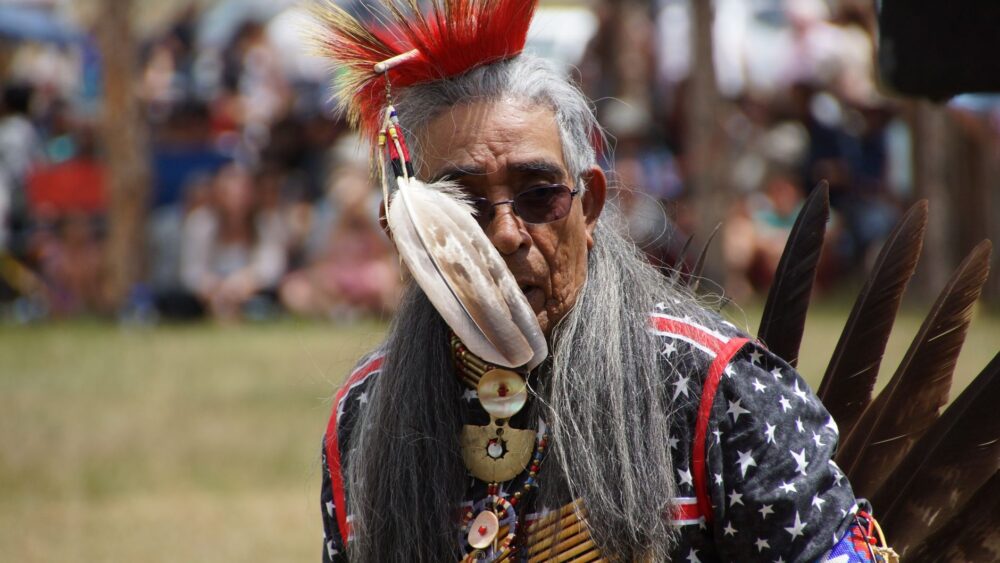
Choctaw names carry the landscape, values, and spiritual life of one of the largest Native American nations of the southeastern United States. Rooted in the Choctaw language, a Muskogean tongue still spoken today, these names often describe natural phenomena, personal qualities, or animals that hold cultural significance. If you are drawn to Choctaw names for a child, a character, or simply out of respect for the language, what follows is a grounded, honest look at names with documented Choctaw-language roots.
A note on scope: the Choctaw naming tradition is rich, but the documented record of names that have genuinely been used as given names, with confirmed meanings and pronunciations, is smaller than romanticized lists on the internet tend to suggest. Some are traditional personal names; others come directly from meaningful Choctaw vocabulary words that communities have used as names. The pronunciations below are approximate English guides to Choctaw phonology.
Names Rooted in Nature and the Natural World
The Choctaw world was organized around rivers, forests, and sky. Names reflecting nature were among the most common and carry an immediate, grounded beauty.
Oka
Meaning: Water. Pronunciation: OH-kah. One of the most fundamental words in the Choctaw language, oka simply means water, and its use as a name reflects how central rivers and rainfall were to Choctaw life. Short, strong, and genuinely beautiful as a given name.
Hattak
Meaning: Man, person, human being. Pronunciation: HAT-tak. This is a foundational Choctaw word used historically as a name element and standalone name for boys. It speaks to personhood and humanity rather than conquest or glory.
Koi
Meaning: Panther. Pronunciation: KOH-ee. The panther (mountain lion) was a powerful figure in Choctaw cosmology. Koi as a name carries that strength without being heavy-handed about it.
Nita
Meaning: Bear. Pronunciation: NEE-tah. One of the most widely documented Choctaw given names, used for both boys and girls historically. The bear was associated with medicine and power in Choctaw tradition, giving this two-syllable name real depth behind its gentle sound.
Fala
Meaning: Crow. Pronunciation: FAH-lah. The crow appears throughout Choctaw oral tradition as a clever, observant presence. Fala has been used as a girls’ name and has a soft, appealing sound that works well in modern contexts.
Iti
Meaning: Tree, wood. Pronunciation: EE-tee. Spare and elemental, Iti connects its bearer to the forests that defined the Choctaw homeland in present-day Mississippi and Alabama. Used as a name element and as a standalone name.
Hina
Meaning: Path, road, trail. Pronunciation: HEE-nah. In Choctaw, hina refers to a path or trail, and as a name it carries the sense of direction and journey through life. It is gentle in sound and profound in implication.
Names Reflecting Light, Sky, and Time
Celestial and atmospheric references appear throughout Choctaw vocabulary and have long served as sources for personal names.
Hvshi
Meaning: Sun, moon, month. Pronunciation: HUH-shee (the Choctaw v represents a nasalized vowel sound, approximately like a short “uh”). Hvshi is one of the most documented Choctaw name elements, used in compound names and alone. It encompasses both the sun and the lunar calendar, making it conceptually wide-ranging.
Ninak
Meaning: Night. Pronunciation: NEE-nak. Straightforward and evocative, Ninak is the Choctaw word for night and has appeared as a personal name. It has a quiet, serious energy.
Mahli
Meaning: Wind. Pronunciation: MAH-lee. The wind held spiritual significance in many Southeastern Native traditions. Mahli is documented as both a vocabulary word and a personal name, and its sound is immediately appealing to modern ears.
Names Tied to Personal Qualities and Character
Choctaw names were often descriptive of character traits, physical appearance, or hoped-for qualities in a child. These names functioned almost like prayers or intentions.
Ayasha
Meaning: Little one. Pronunciation: ah-YAH-shah. Documented as a Choctaw girls’ name, Ayasha (also spelled Ayashe in some records) expresses tenderness toward a child. It has a musical, three-syllable rhythm that ages gracefully.
Chula
Meaning: Fox. Pronunciation: CHOO-lah. The fox in Choctaw tradition is associated with cleverness and adaptability. Chula has been used as a given name and has a warm, approachable sound. It is one of the more usable Choctaw names in contemporary contexts.
Lusa
Meaning: Black, dark. Pronunciation: LOO-sah. Color names are deeply embedded in Choctaw naming culture. Lusa refers to the color black and has been used as a personal name, often in compound forms. On its own it is clean and striking.
Hopa
Meaning: Beautiful, good-looking. Pronunciation: HOH-pah. A direct expression of beauty as a quality, Hopa is one of the more openly affectionate names in the Choctaw tradition. Short, clear, and easy to carry.
Okchakko
Meaning: Blue, blue-green. Pronunciation: ok-CHAK-oh. The word for blue in Choctaw, used in names to evoke sky, water, and the color that connects them. Longer than most entries here, but the middle stress gives it a pleasing spoken rhythm.
Names with Historical and Community Documentation
A handful of Choctaw names appear in historical records, community use, and documented oral tradition in ways that confirm them as genuine personal names across generations.
Pushmataha
Meaning: Approximately “his arm is ready for battle” or “the sapling is ready.” Pronunciation: push-mah-TAH-hah. This is the name of one of the most celebrated Choctaw leaders of the early nineteenth century, a chief and warrior who negotiated with the United States government and died in Washington, D.C. in 1824. It is a compound name and a significant one in Choctaw history.
Mosholatubbee
Meaning: “He who puts out and kills.” Pronunciation: moh-shoh-lah-TUB-ee. Another historically documented Choctaw chief’s name, borne by a leader who also served in the War of 1812. Compound Choctaw names of this type were earned names, often given in recognition of deeds. It is a serious name with serious history behind it.
Apushimataha
Meaning: A variant form of the Pushmataha root, meaning approximately “ready helper” or “one whose arm is prepared.” Pronunciation: ah-push-ee-mah-TAH-hah. Used as a personal name in Choctaw records and community history, this form emphasizes readiness and service.
How to Choose a Choctaw Name
If you are Choctaw or have Choctaw heritage, leaning on family oral history and community elders is the most meaningful path. Many Choctaw families maintain naming traditions that no published list can fully capture, and the Choctaw Nation of Oklahoma and the Mississippi Band of Choctaw Indians both support language and cultural preservation programs that are worth connecting with directly.
If you are drawn to these names out of cultural admiration rather than heritage, the most respectful approach is to choose a name whose meaning genuinely resonates with you, learn its correct pronunciation, and be honest about its origins when people ask. Short names like Nita, Fala, and Chula carry their origins lightly but honestly; longer compound names like Pushmataha carry enormous specific history and are best reserved for those with a real connection to that story.
Pronunciation matters more here than with many name traditions because Choctaw phonology includes sounds that English does not, particularly the nasalized vowel written as v. Doing the work of pronouncing a name correctly is a form of respect for the language it comes from. The Choctaw Nation has published language resources and audio recordings that are genuinely useful if you want to go deeper.
Finally, be skeptical of lists that offer fifty or a hundred “Choctaw names.” The documented pool of confirmed Choctaw given names is real but finite, and many names attributed to Choctaw origins online are either mistranslated, borrowed from other Muskogean languages, or simply invented. A shorter, honest list is worth more than a padded one.
The names above represent some of the most documented and genuinely usable examples from the Choctaw language tradition. Whether you are honoring heritage or simply drawn to the sound and meaning of this language, they are a solid, honest place to start.