

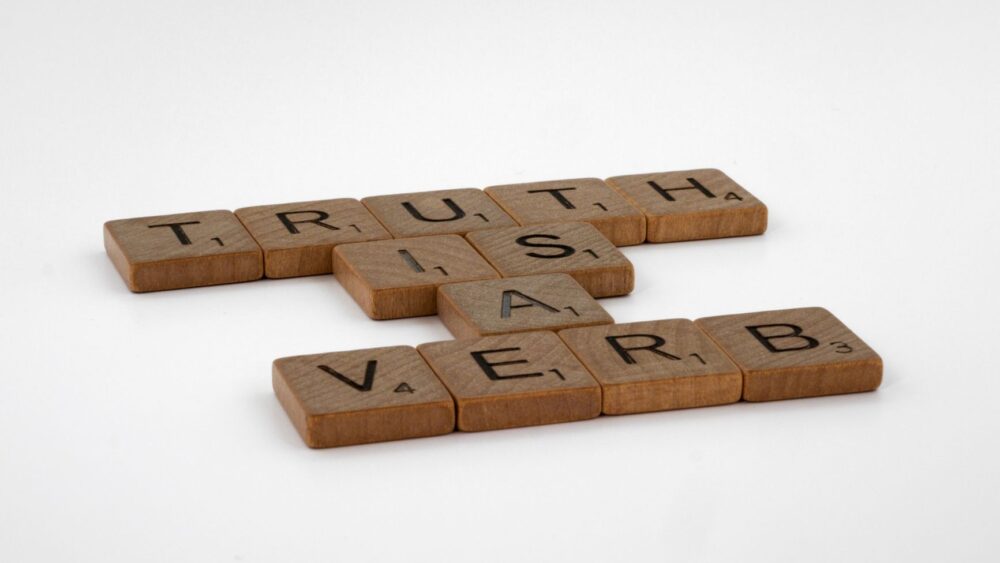
Virtue names are one of the oldest naming traditions in the world, and they are having a genuine moment right now. Parents who want a name that carries weight beyond sound, something that says something about who they hope their child will be, are turning to this category in growing numbers. The appeal makes complete sense: a virtue name is both a name and a quiet statement of values.
This list covers the full landscape, from the Puritan classics that never really went away to the Latin abstractions that feel freshly sophisticated, from Sanskrit names rooted in ancient philosophy to the understated gems that most parents walk right past.
Classic English Virtue Names
These are the names that launched the tradition in the English-speaking world. The Puritans of the 16th and 17th centuries leaned hard into naming children after moral qualities, and several of those names have never stopped feeling right.
Grace
From the Latin gratiameaning divine favor and elegance of spirit. Grace has been a steady top-100 name for decades and shows no sign of fading, it is one of those rare names that feels equally strong on a child and on an adult. Clean, one-syllable, and completely unambiguous in its meaning.
Hope
Straightforwardly Old English in origin, this name carries exactly what it says: a confident expectation of good things. Hope is the quieter sibling of Faith and Grace but has a warmth and optimism all its own. It works beautifully as both a first name and a middle name.
Faith
Another Puritan staple that has held on remarkably well. Faith comes from the Latin fidesmeaning trust and belief. It has a softness phonetically that balances its serious meaning, and it remains a genuine choice rather than a dusty relic.
Prudence
One of the four cardinal virtues of classical philosophy, prudence, justice, fortitude, and temperance, and arguably the most underused of the four as a name. Prudence has a lovely, slightly quirky vintage quality to it now. The nickname Prue is genuinely charming.
Constance
From the Latin constantiameaning steadfastness and unwavering loyalty. Constance was a major medieval name, fell into grandmotherly territory, and is now at exactly the right point in its revival arc. Connie is the obvious nickname, but Constance wears well on its own.
Clement
From the Latin clemensmeaning merciful and gentle. Clement has a long history as both a given name and a papal name, and its soft consonants give it a warmth that matches its meaning exactly. This one is criminally underused for boys right now.
Verity
Latin veritasmeaning truth. Verity is far more established in the UK than in North America, which means it feels both classic and fresh depending on where you are. The three-syllable flow is elegant, and the meaning is as strong as it gets.
Honor
From the Latin honos. Honor has a quiet dignity that its spelling makes literal, this is a name that announces its values upfront. It sits close to Nora in sound, which may explain why it is gradually climbing back into conversation.
Mercy
A genuine Puritan virtue name with Latin roots through the French merci. Mercy has a sweetness that its meaning fully earns, compassion and forgiveness made into a name. It is softer in sound than Grace but equally strong in sense.
Temperance
The fourth cardinal virtue, meaning self-restraint and moderation. Temperance is a bold choice, three full syllables with a serious history, but it has real nickname potential in Tempe or Tempi, and it wears its meaning without apology.
Latin Virtue Names
Latin gave the Western world its vocabulary of virtues, and a number of those abstract nouns have been used as given names for centuries. These tend to feel both classical and surprisingly modern.
Felix
From the Latin felixmeaning happy, fortunate, and blessed. Felix has been climbing steadily for boys and is now a genuine top-tier choice in many countries. The virtue here is happiness as a quality of character, the kind that comes from within.
Beatrix
From the Latin beatusmeaning she who brings happiness or blessed. Beatrix has a wonderful energy: it is both bookish (Beatrix Potter) and aristocratic, and it wears its meaning gracefully. Bea and Trixie are both excellent nicknames.
Felicity
A more elaborate form of the same Latin root as Felix, felicitas meaning happiness and good fortune. Felicity is one of those names that sounds like what it means, there is something genuinely cheerful in the way it moves. It had a burst of attention in the late 1990s and has quietly settled into a confident, underused gem.
Clara
From the Latin clarusmeaning clear, bright, and famous. The virtue embedded here is clarity, of mind, of purpose, of spirit. Clara is fully mainstream now but never feels overexposed, which is a difficult balance to strike.
Justin
From the Latin iustitiameaning justice. Justin is a virtue name that almost nobody thinks of as one, which gives it a low-key appeal. It has been a popular name for decades and carries the virtue of justice without broadcasting it.
Justine
The feminine form of the same Latin root. Justine is slightly more unusual than Justin and has a sleek, continental quality. It was used by early Christian saints and has a quiet elegance that the male form lacks.
Amadeus
From the Latin amare Deummeaning love of God, making love itself the virtue at the center of this name. Amadeus is bold and operatic, and it is a genuine choice for parents who want something ancient and unusual in equal measure. Ame or Deus work as nicknames, though most bearers simply go by the full name.
Virtue Names from the Natural World
Some virtue names arrive through nature, plants, light, and seasons that have been used as names precisely because of the qualities they represent.
Iris
The Greek word for rainbow, Iris was the goddess of the rainbow and a messenger between gods and humans. The virtue embedded here is hope and communication, the bridge between worlds. Iris is currently one of the most beloved names in this category, and deservedly so.
Sage
From the Old French and Latin sapiusmeaning wise. Sage has made a remarkable transition from herb to genuinely popular given name, and the virtue meaning is the original one. It works for any gender and has a calm, grounded quality that matches the wisdom it names.
Serene
From the Latin serenusmeaning clear, calm, and tranquil. Serene is used as a given name in several cultures and carries its meaning with total simplicity. The virtue of peace and equanimity is right there in every syllable.
Virtue Names from Other Languages and Traditions
The impulse to name children after good qualities is universal. These names come from Arabic, Sanskrit, Hebrew, and other traditions, each one a genuine given name in active use, each one carrying a virtue at its core.
Amara
Used across West African and South Asian naming traditions, Amara means grace, eternal, and imperishable depending on the linguistic root. In Igbo it specifically means grace. It is a beautiful, flowing name that has been moving into the mainstream without losing its distinctiveness.
Nadia
From the Slavic root meaning hope. Nadia is essentially the Eastern European counterpart to Hope, carrying the same virtue in a more melodic package. It is well established internationally and has a warmth that makes it work in almost any cultural context.
Zara
From the Arabic, meaning radiance and blossoming, the virtue of generous, outward-facing brightness. Zara has gained enormous visibility through its association with the British royal family and remains a genuinely strong name with real depth behind it.
Ananya
A Sanskrit name meaning unique, incomparable, and devoted, the virtue of complete focus and singularity of purpose. Ananya is widely used in South Asian communities and has a lyrical sound that travels well across cultures.
Iman
From the Arabic, meaning faith and belief. Iman is used for both boys and girls across the Arab world and in Muslim communities globally. It is one syllable shorter than most virtue names and carries an elegance that matches its meaning.
Amani
From the Arabic and Swahili, meaning wishes, aspirations, and peace. Amani is used across East Africa and the Arab world and has a gentle sound that belies the strength of its meaning. The virtue here is peace, both internal and outward.
Siddharth
From the Sanskrit siddha arthameaning one who has accomplished their goal, the virtue of purpose fulfilled. Siddharth (or Siddhartha) is the birth name of the Buddha and remains a widely used name in South Asian communities. It carries enormous philosophical weight in a very wearable package.
Dhruv
From the Sanskrit, meaning firm, constant, and immovable, named for the pole star. The virtue here is steadfastness and constancy, qualities that the name embodies through its reference to the fixed point in the sky. Dhruv is a well-established name in Indian communities.
Emre
From the Turkish, rooted in the Arabic umrmeaning life, and strongly associated with the 13th-century Sufi poet Yunus Emre, whose name came to embody the virtue of brotherly love and affection. Emre is used for boys across Turkey and Turkish diaspora communities.
Latifah
From the Arabic latifmeaning gentle, kind, and subtle. Latifah is a genuine virtue name in the fullest sense, the quality of gentleness and fine perception elevated into a name. It is used across the Arab world and in Muslim communities globally.
Adil
From the Arabic, meaning just and fair. Adil carries the virtue of justice directly and without ceremony. It is a common given name across the Arab world, South Asia, and Turkey, and it has a clean simplicity that makes it easy in any language.
Rashid
From the Arabic, meaning rightly guided, wise, and prudent. Rashid is one of the classical Arabic virtue names, it names the quality of sound judgment and moral rectitude. It is used widely across Muslim communities from North Africa to Southeast Asia.
Karima
From the Arabic karimmeaning generous and noble. Karima is the feminine form and names the virtue of generosity, one of the most celebrated qualities in Arab culture. It is warm, accessible, and carries real meaning without any ambiguity.
Virtue Names with a Vintage Edge
These names were common in earlier centuries, fell out of fashion, and are now at various stages of coming back. They tend to feel both old-fashioned and quietly forward-thinking at the same time.
Ernest
From the Old High German eornostmeaning seriousness and sincerity of purpose. Ernest is the virtue name that Oscar Wilde famously made the subject of a comedy, which tells you it was considered almost too earnest even in the Victorian era. It is ready for a serious revival, and a few adventurous parents are already there.
Vera
From the Latin verus and the Slavic root meaning faith and truth. Vera is already well into its revival and sitting in a comfortable, stylish place right now. The virtue it carries, truthfulness, is embedded in its sound as well as its history.
Noble
From the Latin nobilismeaning of high character and worth. Noble has been used as a given name since at least the 19th century in English-speaking countries. It is uncommon enough to feel genuinely distinctive without feeling invented.
Solomon
From the Hebrew shalommeaning peace. Solomon is the biblical king whose name became synonymous with wisdom, and the virtue of wisdom is inseparable from the name at this point. It is a heavyweight name in the best sense: serious, warm, and full of history.
Valor
From the Latin valormeaning worth, strength, and courage. Valor is used as a given name in the United States and has a bold, direct quality, it names the virtue of bravery without softening it. It is rare but genuine.
Patience
A Puritan virtue name from the Latin patientia. Patience is quieter than Faith or Grace but carries a depth that those names sometimes lack. It is widely used in West African communities and has a gentle, unhurried quality that is genuinely appealing.
Virtue Names That Work for Any Gender
These names carry virtues without being tied to a single gender identity, they are in active use for both boys and girls and feel equally strong either way.
Justice
From the Latin iustitia. Justice is the English-language version of Justin and Justine rolled into one, and it names the virtue directly. It has been climbing in use for both boys and girls and has a strong, clear sound that wears well.
True
A modern English virtue name meaning honest and faithful. True is spare and confident, one syllable, no ambiguity, a virtue you can say in a breath. It works beautifully as a first name and as a middle name.
Loyal
From the Old French loialmeaning faithful and true. Loyal is used as a given name and has a sturdy, uncomplicated quality. The virtue it carries, loyalty and steadfastness, is exactly what the name sounds like.
Sincere
From the Latin sincerusmeaning pure, genuine, and unadulterated. Sincere has been used as a given name in African American communities in particular and has a warmth and directness that the virtue itself demands. It is an underused choice with real staying power.
Amity
From the Latin amicitasmeaning friendship and goodwill. Amity is a genuine given name with a long history in English and has a lovely sound, three light syllables that feel both old and fresh. The virtue of friendship is one of the most human qualities you can name a child after.
Prosper
From the Latin prosperusmeaning fortunate and successful, the virtue of thriving through honest effort. Prosper is a real name with a real history, used in France and French-influenced communities for centuries. It has an adventurous, slightly unconventional quality that makes it stand out.
How to Choose a Virtue Name That Fits Your Family
The first question is whether you want the virtue to be obvious or embedded. A name like Justice or Patience announces itself immediately, anyone who hears it knows what it means. A name like Felix or Clara carries its meaning more quietly, in its etymology rather than its surface. Neither approach is better, but they produce very different impressions and that is worth deciding deliberately.
Think about the virtue itself before you think about the sound. What quality genuinely matters to your family? If you value honesty above everything, Vera or Verity or True all carry that meaning from different traditions. If you value compassion, Mercy and Latifah and Clement all name that quality. Starting with the virtue and working toward the sound tends to produce a choice that feels more intentional than the reverse.
Consider the full name’s rhythm. Many virtue names are either one syllable (Grace, Hope, True) or three (Patience, Felicity, Temperance), which means the middle name does a lot of work in balancing the whole. A one-syllable virtue name usually benefits from a longer middle name; a three-syllable virtue name often pairs better with something short and punchy in the middle.
Finally, think about the nickname situation honestly. Some virtue names have natural nicknames (Constance becomes Connie, Beatrix becomes Bea, Temperance becomes Tempe) and some simply do not, Grace is Grace, Hope is Hope. If your family is a nickname family, that matters. If you want the virtue to remain visible in daily use, a name without an obvious shortcut will serve that goal better.
Virtue names ask something of a child, and give something back. A name that means courage or truth or peace is a constant, gentle reminder of what you hoped for when you chose it. That is not a burden; it is a gift.