

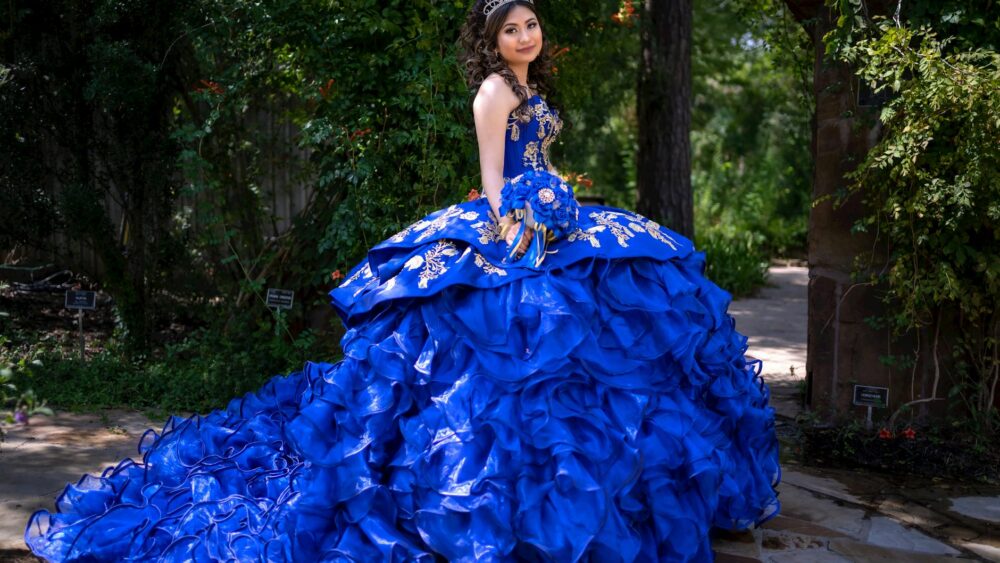
Royal names carry centuries of weight. These are the names that have sat on thrones, signed treaties, led armies, and shaped the maps of Europe, and many of them are quietly having a serious moment in nurseries right now. Whether you are drawn to the grandeur of a medieval court or the understated elegance of a modern Scandinavian monarchy, this list pulls from the full sweep of European royal heritage.
A note on how this list is built: every name here has been genuinely worn by royalty, kings, queens, princes, princesses, emperors, or empresses across European history. They are grouped by broad regional tradition, which also happens to be a useful guide to the style and sound you might be going for.
British and English Royal Names for Girls
The British royal line is one of the most name-rich traditions in Europe, blending Norman French, Anglo-Saxon, and Celtic roots into a roster that ranges from the regal to the quietly lovely.
Eleanor
Eleanor of Aquitaine is arguably the most powerful woman of the medieval era, and the name has never really left the English royal story since. It has a soft, flowing sound that feels both ancient and thoroughly modern. One of the strongest royal names for girls right now.
Matilda
From the Germanic elements meaning “strength in battle,” Matilda was the name of the Empress Maud, who fought for the English throne in the 12th century. It has come roaring back in style and feels genuinely fresh despite its age.
Margaret
A perennial royal name across Britain and Scotland, borne by Margaret of Anjou, Princess Margaret, and countless others. It means “pearl” from the Greek margarites. Maggie as a nickname makes it feel warm and accessible.
Mary
No name is more thoroughly embedded in British royal history. From Mary I to Mary Queen of Scots to the current Princess of Wales, it has worn every possible shade of royal identity. Classic, simple, and completely unshakeable.
Victoria
Latin for “victory,” Victoria defined an entire era of British imperial history. It feels grand but not stuffy, and it has been climbing back steadily in the last decade. The nickname Vicky or Tori keeps it grounded.
Alexandra
The feminine form of Alexander, brought deep into British royal usage through Princess Alexandra of Denmark, who became Queen consort to Edward VII. It has a stately rhythm and ages beautifully.
Philippa
Philippa of Hainault, queen consort to Edward III, was one of the most beloved medieval English queens. The name means “lover of horses” from the Greek. It is criminally underused today and deserves a proper revival.
Anne
From the Hebrew Hannah, meaning “grace,” Anne has been a British royal staple from Anne Boleyn to Queen Anne to the modern Princess Royal. It is the ultimate understated royal choice.
Beatrice
Borne by Queen Beatrice of the Netherlands and currently by Princess Beatrice of the British royal family, this name means “she who brings happiness” from the Latin. It has a soft, almost literary quality.
British and English Royal Names for Boys
The male line of British royalty has rotated through a fairly compact set of names for centuries, but each one carries enormous historical weight.
Henry
Eight English kings bore this name, from the Conqueror’s son to Henry VIII. From the Germanic meaning “home ruler,” it is one of the great royal names of all time and is currently sitting near the top of popularity charts across the English-speaking world.
Edward
Old English, meaning “wealthy guardian,” Edward appears across a thousand years of English royal history. It has a quiet, patrician solidity that never goes out of style. Ed or Ned work well as nicknames.
George
Four Hanoverian kings and now the heir apparent Prince George have kept this name firmly in the royal frame. From the Greek meaning “farmer,” it has an appealing ordinariness that makes it feel both royal and human.
William
From the Germanic meaning “resolute protector,” William has been a cornerstone of English royal naming since the Conquest in 1066. It remains a top-tier choice in Britain and across much of the world.
Charles
From the Germanic karlmeaning “free man,” Charles has been worn by two British kings and the Holy Roman Emperor Charlemagne. Formal and assured, it feels serious without being cold.
Richard
From Germanic roots meaning “powerful ruler,” Richard was the name of three English kings including the lionhearted Richard I. It has a strong, clean sound and the nickname Rich or Rick keeps it current.
Edmund
Old English, meaning “wealthy protector,” Edmund was the name of two Anglo-Saxon kings of England. It is a quietly compelling alternative to Edward for parents who want something slightly more unusual.
Alfred
Alfred the Great is one of the most celebrated monarchs in English history, and the name means “elf counsel” in Old English. It has been reviving steadily in Britain and feels genuinely distinguished.
French and Norman Royal Names for Girls
The French royal tradition brought enormous influence to bear on European naming. Many of the names we think of as quintessentially English actually arrived with the Normans or through French dynastic marriages.
Isabelle
The French form of Elizabeth, Isabelle was the name of Isabelle of France, queen consort to Edward II of England, and of many other French royal women. It has a softness that the Spanish Isabella shares but does not quite replicate.
Blanche
Meaning “white” in Old French, Blanche was a popular name among French and Navarrese royalty in the medieval period, most notably Blanche of Castile, who served as regent of France. It feels spare and striking.
Marguerite
The French form of Margaret, Marguerite was borne by several French queens and princesses, including Marguerite de Valois. It has a floral elegance that the English form does not quite capture in the same way.
Clotilde
From the Germanic meaning “famous in battle,” Clotilde was the name of the Frankish queen who converted Clovis I to Christianity, one of the foundational moments of French history. Rare and striking today.
Adele
From the Germanic meaning “noble,” Adele was the name of several Frankish and French royal women. It feels clean and modern even though it is genuinely ancient, which is a rare combination.
French and Norman Royal Names for Boys
Louis
Eighteen French kings bore this name, making it the single most repeated royal name in French history. From the Frankish meaning “famous warrior,” it is effortlessly elegant and is having a major international revival right now.
Hugh
From the Germanic meaning “mind” or “spirit,” Hugh Capet founded the Capetian dynasty that ruled France for centuries. It is short, strong, and significantly underused for how much history it carries.
Philip
Six French kings were named Philip, and the name appears across the Spanish, Belgian, and Macedonian royal traditions as well. From the Greek meaning “lover of horses,” it is a quietly authoritative choice.
Francis
Two French kings bore this name. From the Latin meaning “Frenchman” or “free man,” Francis has a gentle, scholarly quality that sets it apart from harder-edged royal names.
Spanish and Portuguese Royal Names for Girls
The Iberian royal tradition is one of the oldest and most name-rich in Europe, drawing on Visigothic, Latin, and Arabic influences across centuries of complex history.
Isabella
Isabella I of Castile, who unified Spain and sponsored Columbus, made this name synonymous with royal ambition. The Spanish form of Elizabeth, it has been one of the most popular royal names in the Western world for over a century.
Catalina
The Spanish form of Katherine, Catalina de Aragon is better known in English as Catherine of Aragon. It has a warmth and rhythm that the English form does not quite match.
Leonor
The Spanish form of Eleanor, Leonor is the name of the current Princess of Asturias and heir to the Spanish throne. It is elegant and feels genuinely current without chasing trends.
Urraca
Queen Urraca of Leon and Castile was one of the first ruling queens in medieval Europe. The name is Old Spanish, possibly of pre-Roman origin. Unusual and historically significant, it is not a mainstream choice but is worth knowing.
Beatriz
The Portuguese and Spanish form of Beatrice, Beatriz was the name of several Iberian royal women including Beatriz of Portugal. It has a slightly warmer sound than its Italian and English counterparts.
Spanish and Portuguese Royal Names for Boys
Alfonso
From the Visigothic meaning “noble and ready,” Alfonso was the name of more Spanish and Portuguese kings than almost any other. It has a grand, rolling sound and a history as deep as any name on this list.
Fernando
The Spanish and Portuguese form of Ferdinand, Fernando was the name of Ferdinand II of Aragon, who unified Spain alongside Isabella. It is warm, substantial, and surprisingly wearable today.
Sancho
From the Latin Sanctiusmeaning “sacred,” Sancho was a recurring name among the medieval kings of Navarre, Leon, and Castile. It is unusual in English-speaking contexts but genuinely royal in its origins.
Duarte
The Portuguese form of Edward, Duarte was the name of King Duarte I of Portugal. It has a beautiful, unexpected sound that makes it a distinctive alternative to the more familiar Edward.
Scandinavian Royal Names for Girls
The Norse and Scandinavian royal traditions produce names with a clean, strong sound and meanings that tend toward power and brightness rather than gentleness.
Ingrid
From the Old Norse meaning “Ing’s beauty,” where Ing is a Norse god associated with fertility and prosperity. Ingrid has been a Swedish and Norwegian royal name for centuries and has a cool, effortless quality that feels very current.
Astrid
From the Old Norse meaning “divinely beautiful,” Astrid has been a Scandinavian royal name since the Viking Age. It is strong and distinctive, and it travels well internationally.
Sigrid
From the Old Norse meaning “victory” and “beautiful,” Sigrid was the name of several medieval Scandinavian queens. It has a slightly harder sound than Astrid but the same core Norse authority.
Ragnhild
From Old Norse meaning “battle counsel,” Ragnhild was the name of several Norwegian and Swedish queens in the medieval period. It is not a mainstream choice, but for parents who want deep Scandinavian royal roots, it is genuinely significant.
Margrethe
The Danish and Norwegian form of Margaret, Margrethe II was Queen of Denmark until her abdication in 2026. It is a striking spelling for parents who want something more distinctly Nordic than the English form.
Scandinavian Royal Names for Boys
Harald
The Old Norse form of Harold, Harald has been a Norwegian royal name continuously from the Viking Age to the current King Harald V. It means “army ruler” and has a direct, uncluttered strength.
Olaf
From the Old Norse meaning “ancestor’s relic,” Olaf was one of the great Viking-age royal names of Norway and Denmark, including the saint-king Olaf II. It is unusual in English-speaking countries but carries genuine historical weight.
Sigurd
From the Old Norse meaning “victory guardian,” Sigurd appears across both Norse mythology and the actual royal lines of Norway. It is bold and uncommon outside Scandinavia.
Magnus
Adopted into Norse royal tradition from the Latin meaning “great,” Magnus was borne by several Norwegian and Swedish kings. It is one of the more accessible Scandinavian royal names for international use and is growing in popularity across Europe.
Erik
From the Old Norse meaning “eternal ruler,” Erik has been a Swedish and Danish royal name for over a thousand years. Clean, strong, and widely recognizable across cultures.
German and Habsburg Royal Names for Girls
The German and Habsburg imperial tradition runs deep, and it produced some of the most formally striking names in European history.
Maria Theresa
The great Empress of the Habsburg realm, Maria Theresa is the gold standard of the compound royal name tradition. As a double name it is formal and magnificent; Maria or Theresa alone each carry some of that weight.
Sophia
From the Greek meaning “wisdom,” Sophia was the name of Sophia of Hanover, the woman whose descendants became the British royal family. It has been a European royal staple for centuries and remains one of the most popular names across the continent.
Hedwig
From the Germanic meaning “battle contention,” Hedwig was a common name among German and Polish royalty, most famously Saint Hedwig of Silesia. Less familiar in English-speaking countries, but a genuine royal name with real character.
Kunigunde
From the Germanic meaning “bold in battle,” Kunigunde was the name of the Holy Roman Empress and saint who was the wife of Henry II. This is a name for the most historically adventurous parents on this list.
Agnes
From the Greek meaning “pure” or “chaste,” Agnes was a name used across German, Bohemian, and Austrian royal lines. It has a quiet, spare elegance and is considerably more interesting than its modest reputation suggests.
German and Habsburg Royal Names for Boys
Frederick
From the Germanic meaning “peaceful ruler,” Frederick the Great of Prussia made this name synonymous with Enlightenment-era royal power. It is formal and weighty, and the nickname Fritz carries a charming, old-world quality.
Leopold
From the Germanic meaning “bold people,” Leopold was a recurring name among Habsburg emperors and Belgian kings. It has a grand, slightly baroque quality that is genuinely distinctive.
Maximilian
A hybrid name combining the Latin Maximus (“greatest”) with the Roman family name Aemilianus, Maximilian was a favorite Habsburg name. Long and formal, it is currently enjoying a revival and the nickname Max keeps it entirely wearable.
Rudolf
From the Germanic meaning “famous wolf,” Rudolf was a significant Habsburg and German royal name. It has a slightly mysterious, Central European quality that makes it a distinctive choice.
Otto
From the Germanic meaning “wealth” or “fortune,” Otto was the name of the first Holy Roman Emperor and a recurring name in the German royal tradition. Short, punchy, and having a genuine revival right now.
Italian and Southern European Royal Names
The Italian royal tradition is shorter in its unified form but draws on centuries of dynastic naming from the House of Savoy and the various Italian kingdoms.
Umberto
The Italian form of Humbert, from the Germanic meaning “famous warrior,” Umberto was the name of two Kings of Italy. It is warm and sonorous and entirely underused outside Italy.
Vittorio
The Italian form of Victor, from the Latin meaning “conqueror,” Vittorio Emanuele II was the first King of unified Italy. It has a grand, operatic quality that is very much in the spirit of the Italian royal tradition.
Elena
From the Greek Helen, meaning “torch” or “bright,” Elena was the name of Queen Elena of Italy, consort to Victor Emmanuel III. It is elegant, widely recognizable, and travels effortlessly across languages.
Giovanna
The Italian form of Joan, Giovanna was the name of Queen Giovanna of Bulgaria, a princess of the Italian royal house of Savoy. It is warm and rhythmically beautiful.
How to Choose a Royal Name
The first question is whether you want the name to feel overtly royal or just quietly distinguished. A name like Henry or Victoria announces its lineage immediately. A name like Blanche or Duarte carries the same historical depth but reads as more unusual and personal. Neither approach is better; they just create very different impressions.
Think about the royal tradition that resonates with your own heritage or aesthetic. Scandinavian royal names tend to be short and strong, with Norse roots that feel almost elemental. Habsburg and German names are longer and more formal. British royal names cluster around a familiar core that feels both safe and genuinely prestigious. French and Iberian names carry a warmth and musicality that stands apart from the northern European traditions.
Consider how the name wears across a lifetime. A name like Maximilian is a lot for a toddler to carry, but Max is not, and having that full, formal version in reserve is genuinely useful. Conversely, a short name like Otto or Anne needs no abbreviation and lands cleanly at every stage of life.
Finally, do not overlook the less familiar entries on this list. A name like Philippa, Leonor, or Magnus is historically royal, sounds beautiful, and will not be shared with three classmates. The royal names that feel slightly unexpected right now are often the ones that age best.
Royal names have survived centuries of changing taste because they carry real meaning: specific people, specific moments in history, specific ideas about power and grace. When you give a child one of these names, you are not just choosing a sound. You are placing them in a very long line.