

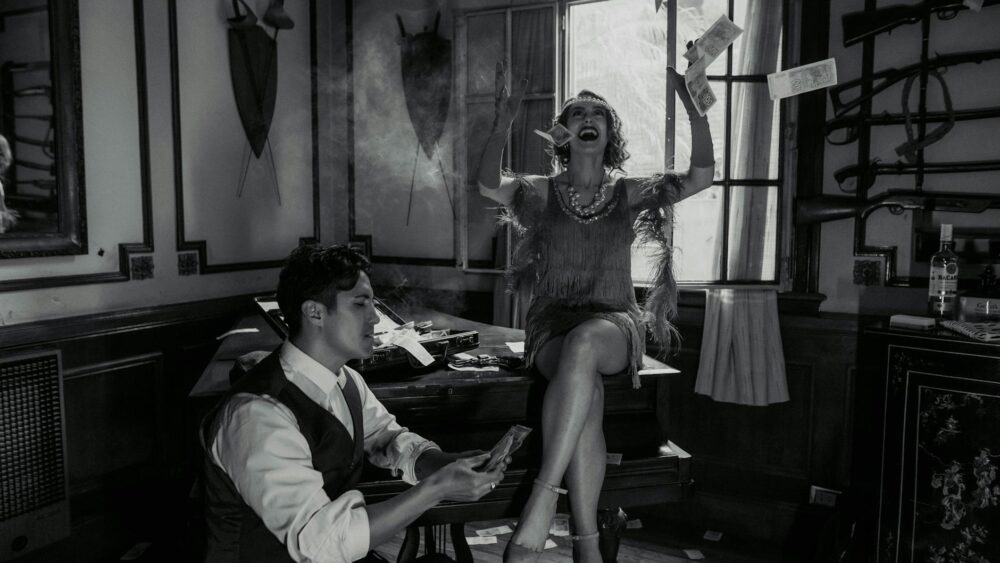
Old money names have a particular gravity to them. They’re not chasing trends, and they don’t need to. Names like these have been passed down through generations of families who valued tradition, education, and a certain quiet confidence, and that heritage is baked right into the syllables. Whether you’re drawn to the Anglophone aristocracy, the American WASP establishment, or the old European nobility, the same qualities appear: understated, melodic, often rooted in Latin or Greek, and never loud about their own elegance.
What separates a genuine old money name from a merely formal one is staying power. These names appeared on the rolls of boarding schools and family portraits long before they were cool, and they’ll be there long after the current crop of trend names has faded. This list gathers the most authentic examples across boys’ and girls’ names, organized by the particular flavor of old-world prestige they carry.
Classic Old Money Boys’ Names: The Cornerstone Picks
These are the names you’d find on a brass nameplate, a law firm letterhead, or a family tree going back to the 1700s. They project quiet authority without trying.
Charles
From the Germanic Karlmeaning “free man,” Charles has been the name of kings across England, France, and Spain for centuries. It sits at the absolute center of old money naming culture, inherited, formal, and never really out of fashion.
Edward
Old English in origin, meaning “wealthy guardian,” Edward has been borne by ten English kings and generations of American patricians. It’s the kind of name that comes with a ready-made nickname (Ed, Ned, Ted) but sounds best in full on a formal occasion.
Henry
Henry comes from the Germanic Heimirichmeaning “home ruler.” Eight English kings, countless European nobles, and the American aristocracy all claimed it. It has the rare quality of feeling both weighty and approachable.
William
Meaning “resolute protector,” William arrived in England with the Normans and never left the top tier. It’s the gold standard of old money names, universally recognized, cross-cultural, and quietly indestructible.
George
From the Greek Georgiosmeaning “farmer” or “earthworker,” George has the distinction of being both royal and grounded. It feels like inherited wealth: unpretentious about its own status, deeply established.
Arthur
The legendary king of Britain, possibly from the Celtic root meaning “bear.” Arthur has the mythological prestige that old money families love, a name with history so deep it barely needs explanation. It’s been climbing steadily back after decades of dormancy.
Edmund
Meaning “fortunate protector” in Old English, Edmund is the slightly more distinguished cousin of Edward. It’s less common, which makes it feel more like a genuine family name than a trend pick.
Frederick
From the Germanic Friedrichmeaning “peaceful ruler,” Frederick has a formal, continental feel. Fritz or Freddie make perfectly good nicknames, but the full form is the real prize here.
Reginald
Derived from the Germanic Raginwaldmeaning “counsel power,” Reginald reads as quintessentially English establishment. It fell out of common use for decades, which now makes it feel genuinely distinguished rather than merely stuffy.
Clifford
Originally a surname derived from an Old English place name meaning “ford by a cliff,” Clifford entered the first-name tradition through exactly the kind of aristocratic family-name-as-first-name practice that defines old money naming. It’s understated and solid.
Patrician Boys’ Names with a Scholarly Edge
Old money culture has always overlapped with academic prestige. These names feel at home in an Ivy League alumni directory as much as on a family coat of arms.
Alistair
A Scottish form of Alexander, meaning “defender of the people,” Alistair has that particular Anglo-Scottish aristocratic energy. It’s distinctive without being showy.
Cornelius
A Roman family name with possible roots meaning “horn,” Cornelius was carried by one of America’s most prominent Gilded Age dynasties (the Vanderbilts) and has a stately, almost senatorial weight.
Montgomery
Originally a Norman surname turned first name, Montgomery has the double-barreled prestige of a family lineage name. Monty as a nickname softens it perfectly.
Pemberton
An English place-name surname adopted as a given name, Pemberton carries the very specific flavor of American WASP old money, a family surname passed forward as a first name to preserve a lineage. It’s rare and deliberately so.
Percival
From Old French, the name of the Arthurian knight who sought the Holy Grail, Percival has a romantic, literary quality that appeals to families with a taste for English heritage. Percy is a natural and very charming nickname.
Rupert
A Germanic name meaning “bright fame,” Rupert feels distinctly English upper-class and has been common among British aristocratic families for centuries. It’s the kind of name that sounds confident without being aggressive about it.
Sebastian
From the Latin Sebastianusmeaning “from Sebastia,” Sebastian has a long association with European nobility and Catholic aristocracy. It’s literary, elegant, and has been a fixture in old-money circles on both sides of the Atlantic.
Thaddeus
Of uncertain origin, possibly Aramaic, Thaddeus has the heft and rarity of a true family-Bible name. It reads as inherited and serious, the kind of name passed from grandfather to grandson without question.
Classic Old Money Girls’ Names: The Enduring Standards
The female side of old money naming is equally distinct. These names have genuine staying power because they combine femininity with substance.
Eleanor
Of uncertain origin, possibly a Provençal form of Helen, Eleanor has been worn by queens and first ladies. Eleanor Roosevelt made it synonymous with a kind of principled, formidable femininity. It’s never really been out of fashion in old-money families.
Margaret
From the Greek word for “pearl,” Margaret is the quintessential old-establishment name. It has been borne by queens, saints, and generations of American and British families who valued tradition over novelty. Maggie, Meg, and Peggy all come along for the ride.
Catherine
From the Greek AikaterineCatherine has royal associations across virtually every European country. It’s formal enough for a family portrait and flexible enough for everyday life, Kate and Cate are among the cleanest nicknames in the English language.
Virginia
From the Latin root meaning “maiden” or associated with the Roman family name Verginius, Virginia has a distinctly American old-money quality. It carries the weight of colonial history and Southern establishment families equally well.
Constance
From the Latin Constantiameaning “constancy” or “steadfastness,” Constance projects exactly the values old money families prize. It’s quietly formal and deeply unfashionable in the best possible way.
Beatrice
From the Latin Beatrixmeaning “she who brings happiness,” Beatrice has Dante, Shakespeare, and British royalty behind it. It’s the rare name that feels both literary and aristocratic at once.
Dorothea
The longer, more formal version of Dorothy, from the Greek meaning “gift of God,” Dorothea has an almost Victorian elegance. It was a favorite among American patrician families in the nineteenth and early twentieth centuries.
Frances
The feminine form of Francis, meaning “from France” or “free one,” Frances has a no-nonsense patrician quality. It doesn’t try to be pretty; it simply is dignified. Frannie and Fran work well as nicknames.
Harriet
The English feminine form of Harry (and therefore Henry), meaning “home ruler,” Harriet has a bookish, independent quality alongside its establishment credentials. It fits equally well in a British country house or a New England family tree.
Louisa
The Latinate feminine form of Louis, meaning “famous warrior,” Louisa has a softer, more literary feel than Louise. Louisa May Alcott gave it an American intellectual dimension that complements its European aristocratic roots.
Patrician Girls’ Names with a Continental Feel
Old money isn’t exclusively Anglo-American. These names carry the European nobility tradition that shaped so much of upper-class naming culture on both sides of the Atlantic.
Adelaide
From the Germanic Adalheidismeaning “noble kind,” Adelaide was the name of queens and empresses across nineteenth-century Europe. It has come back strongly in recent years, and rightly so.
Cecilia
From the Latin family name Caecilius, Cecilia has been associated with saints, musicians, and European aristocracy for centuries. It has a graceful, musical quality that feels genuinely distinguished.
Cordelia
Possibly from the Latin cor (heart) or a Celtic root, Cordelia is Shakespeare’s most noble daughter, and that literary association has kept it in old-money naming circles consistently. It’s a name that expects to be taken seriously.
Eugenia
The feminine form of Eugene, from the Greek meaning “well-born,” Eugenia is almost too on-the-nose for an old money name list, yet it’s entirely genuine. It was a favorite of European royalty and American Gilded Age families alike.
Octavia
From the Latin octavusmeaning “eighth,” Octavia has a Roman senatorial quality that feels strikingly fresh despite its antiquity. It’s formal, confident, and increasingly appreciated by families who want something with real classical heft.
Rosalind
Of Germanic origin, possibly meaning “gentle horse,” Rosalind gained its prestige largely through Shakespeare’s As You Like It. It has an aristocratic, slightly dreamy quality and is criminally underused at the moment.
Sylvia
From the Latin silvameaning “forest,” Sylvia has a classical Roman elegance. It was a fixture in American and British upper-class families throughout the early twentieth century and is now quietly re-emerging.
Wilhelmina
The Germanic feminine form of William, meaning “resolute protector,” Wilhelmina carries Dutch and German royal associations. It’s elaborate, which is precisely the point, old money families have never been afraid of a name with genuine grandeur. Willa or Mina make lovely shorter forms.
Gender-Neutral and Surname-Style Old Money Names
One of the most characteristic practices of old money naming is using a maternal family surname as a first name. These names are all used for both boys and girls, or have shifted across genders over time.
Elliot
A medieval English surname derived from the name Elias (itself from the Hebrew Elijah), Elliot has been used as a given name in patrician American and British families for generations. It’s quietly distinguished without any pretension.
Evelyn
Originally an English surname, Evelyn became a given name used for both boys and girls before settling primarily with girls in the twentieth century. It has a soft formality that sits perfectly in old-money territory.
Lindsay
A Scottish and English surname from a place name, Lindsay has been used as a given name for both sexes in aristocratic and upper-class British families for centuries. It’s understated and carries that family-name quality without shouting it.
Prentiss
An English occupational surname meaning “apprentice,” Prentiss was adopted as a first name in American patrician families in the nineteenth century. It’s rare enough to feel genuinely like an inherited family name.
Whitney
From an Old English place name meaning “white island,” Whitney was used as a given name in old New England and Southern establishment families long before it became more broadly popular in the twentieth century. It carries a quiet WASP pedigree.
How to Choose an Old Money Name That Actually Fits Your Family
The single most important thing about old money names is that they should feel inherited, not performed. A name like Cornelius or Wilhelmina lands beautifully when it’s a genuine family name being carried forward, or when the family simply has a taste for classical tradition. The same name can feel like a costume if it’s chosen purely for the prestige aesthetic. Think about whether this name sounds like it belongs in your family’s story.
Consider the full name as a unit. Old money names tend to work best with surnames that have a similar weight and rhythm. A three-syllable first name like Frederick or Cordelia often pairs best with a shorter, crisper surname; a single-syllable surname like Burke or Nash gives a longer first name room to breathe. Say the full name out loud ten times before deciding.
Think about the nickname question honestly. Many of the best names on this list come with nicknames that have done the heavy lifting for generations: Ned for Edmund, Freddie for Frederick, Bea for Beatrice. If you love the formal name but would actually use a nickname day-to-day, make sure you love both. The long form matters for the birth certificate, the formal occasion, and the family portrait. the nickname matters for every Tuesday morning.
Finally, don’t confuse old money with old-fashioned. The best names in this tradition are old in origin but never tired in feeling. Names like Arthur, Beatrice, Adelaide, and Sebastian are genuinely popular right now precisely because they carry that heritage lightly. You’re not reaching back into a dusty archive. you’re choosing something that has simply proven it has staying power.
Old money names endure because they were never trying to be fashionable in the first place. That’s the whole point. Pick one you’d be proud to call across a room and equally proud to see on a diploma, and you’re already thinking about it the right way.