

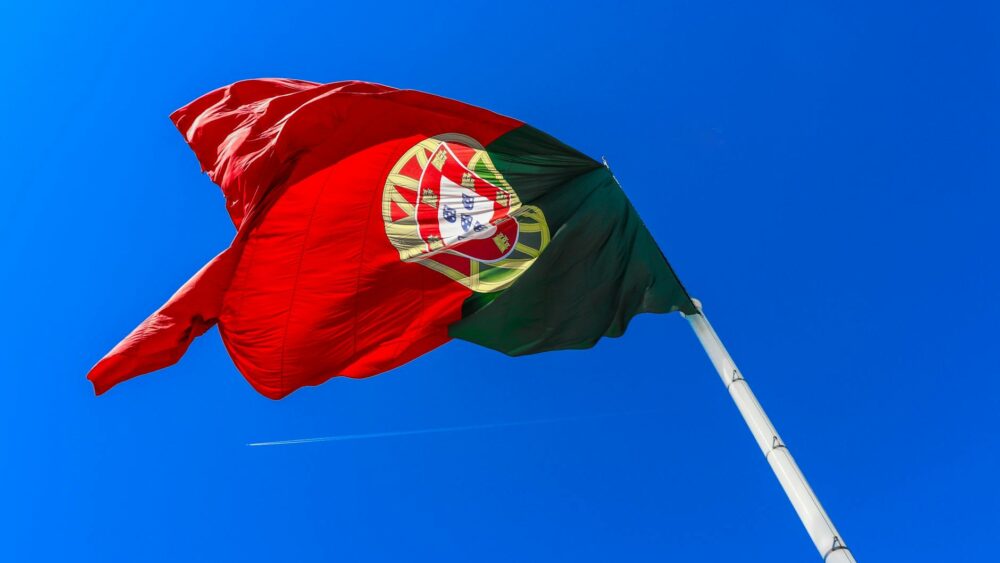
Portuguese last names carry centuries of history in a single word. They grew from medieval naming customs, Catholic devotion, the natural landscape of the Iberian Peninsula, and the vast colonial reach that carried them to Brazil, Angola, Mozambique, Goa, and beyond. The result is a surname tradition that is at once deeply rooted and remarkably widespread, today, Portuguese last names are among the most common in the world, particularly in Brazil, which has the largest Portuguese-speaking population on earth.
What makes these surnames so fascinating is their variety. Some come from the land itself, hills, rivers, olive groves. Others honor saints and religious feasts. Many are occupational, pointing to what an ancestor made or tended. And a significant number are simply patronymic, built from a father’s first name with the suffix -es or -ez added to signal “son of.” This guide walks through the most common, most interesting, and most historically significant Portuguese last names, with a real look at where each one comes from.
Classic Patronymic Portuguese Last Names
Patronymics, surnames built from a father’s given name, form the backbone of the Portuguese surname system. The suffix -es (sometimes -ez in Spanish-influenced regions) means “son of,” so Fernandes means “son of Fernando” and Rodrigues means “son of Rodrigo.” These are the most common Portuguese last names you will encounter worldwide.
Silva
The single most common surname in both Portugal and Brazil, Silva comes from the Latin silvameaning “forest” or “woodland.” It began as a topographic name for someone who lived near or in a wooded area, but its patronymic adoption made it ubiquitous. If you meet a Brazilian and ask their last name, there is a very real chance it is Silva.
Santos
From the Latin sanctusmeaning “holy” or “saint,” Santos was often given to children born on All Saints’ Day (Dia de Todos os Santos) or to families with strong religious devotion. It is a top-five surname across Portugal and Brazil and carries an unmistakably Catholic heritage.
Ferreira
Ferreira derives from the Latin ferrariameaning “iron mine” or “ironworks,” pointing to an ancestor who lived near a smithy or worked iron. It is one of the most deeply rooted occupational-topographic names in the Portuguese tradition and remains hugely common throughout the Lusophone world.
Rodrigues
The Portuguese form of Rodrigo’s patronymic, meaning “son of Rodrigo.” Rodrigo itself comes from the Germanic Hrodricbuilt from hrod (fame) and ric (power). Rodrigues was carried across Brazil and Africa by Portuguese settlers and remains a top-ten surname in both countries.
Fernandes
Meaning “son of Fernando,” this surname traces back to the Germanic Ferdinandusfrom fardi (journey) and nand (daring). Fernando was a royal and noble name in medieval Iberia, so Fernandes spread widely as patronymics were adopted by families of varying social rank.
Pereira
From the Portuguese pereirameaning “pear tree,” this is a topographic surname for a family that lived near a pear orchard or a landmark pear tree. It is one of the most recognizable Portuguese last names globally and is especially common in Brazil and Portugal’s northern regions.
Alves
A patronymic from the medieval given name Álvaro, itself from the Germanic Alfhermeaning “elf army” or “noble guardian.” Alves is short, crisp, and extremely widespread across the Lusophone world.
Martins
The Portuguese patronymic form of Martim (Martin), ultimately from the Latin Martinuswhich derives from Mars, the Roman god of war. Saint Martin of Tours was enormously popular in medieval Catholic Europe, which drove this name, and its patronymic, into widespread use.
Carvalho
Meaning “oak tree” in Portuguese, from the Latin quercus family, Carvalho is a topographic surname for families who lived near an oak grove. It is one of the most distinctively Portuguese surnames and is far less common in Spanish-speaking Latin America, making it an easy identifier of Portuguese heritage.
Sousa
A habitational name from the Sousa River in northern Portugal, whose name may derive from the pre-Roman Iberian word for salt water or rocky river. The Sousa River valley was heavily settled in the medieval period, and the surname spread from there across the empire. It appears frequently as Souza in Brazil.
Costa
From the Latin costameaning “rib,” “slope,” or “coast,” this topographic surname was given to families living on a hillside or near a coastline. Given Portugal’s geography, it is no surprise that Costa became one of its most common surnames.
Gomes
A patronymic from the medieval given name Gomes, which comes from the Germanic Gumameaning “man.” The name is closely related to the Spanish Gomez and is a top-ten surname in Portugal.
Lopes
The Portuguese patronymic of Lopo, the medieval form of the Latin Lupusmeaning “wolf.” Lopes means, in effect, “son of the wolf”, a name with real medieval strength to it. It is extremely common in both Portugal and Brazil.
Gonçalves
Meaning “son of Gonçalo,” from the Germanic Gundisalvusbuilt from gund (war) and salv (salvation or safe passage). Gonçalo was a popular Iberian saint’s name, and this patronymic became one of the most widely distributed surnames in Portugal and Brazil.
Mendes
A patronymic from the medieval name Mendo or Mem, itself a short form of the Visigothic name Hermenegildomeaning “entire sacrifice” or “complete offering.” Mendes has a distinctly old-Iberian feel and is common throughout Portugal and Brazil.
Nunes
From the medieval given name Nuno, possibly derived from a pre-Roman Iberian word for “monk” or “uncle,” though its exact roots are debated. Nuno was a beloved name in medieval Portugal, and Nunes, “son of Nuno”, followed naturally.
Marques
A surname derived from the title marquis (a noble rank), from the Germanic marcameaning “border” or “march.” Families in the service of a marquis, or who lived on a marquisate’s land, could take this surname. It is common across Portugal, Brazil, and Mozambique.
Pinto
From the Portuguese and Latin pintusmeaning “painted” or “spotted,” this was originally a nickname for someone with a distinctive complexion or markings. It became a hereditary surname and is now one of the most familiar Portuguese last names in Europe and South America.
Teixeira
A topographic surname from the Portuguese teixomeaning “yew tree,” plus the locative suffix -eira. Someone who lived near a yew tree or yew grove would have been called Teixeira. It is especially concentrated in northern Portugal and is common in Brazil and the Azores diaspora.
Moreira
From the Portuguese moreirameaning “mulberry tree grove” or “moorland,” from the Latin morus (mulberry). Like Teixeira and Pereira, it is a classic plant-topographic surname pointing to the specific vegetation of an ancestor’s land.
Topographic and Nature-Based Surnames
Portugal’s landscape, its river valleys, mountain ridges, coastal cliffs, and cultivated hillsides, generated a rich family of topographic surnames. These names told neighbors where a family lived, and many are so specific to the Iberian landscape that they feel unmistakably Portuguese.
Monteiro
From the Portuguese monteiromeaning “hunter” or “forester,” derived from monte (mountain, hill). A monteiro was specifically a royal game warden or mountain hunter in medieval Portugal, making this an occupational-topographic hybrid with aristocratic undertones.
Ribeiro
From the Portuguese ribeiromeaning “stream” or “small river,” from the Latin riparius. Families living near a brook or stream would carry this name. It is one of the most poetic of the natural surnames and is very common across Portugal and Brazil.
Peixoto
Probably derived from peixe (fish) combined with a locative suffix, suggesting a family that lived near a fishing spot or worked as fishers. It is a distinctly Portuguese surname with notable historical bearers in colonial Brazil.
Serrano
From the Latin serrameaning “mountain range” or “saw-toothed ridge.” A serrano was someone from the highlands or mountains. The name is shared with Spanish but has deep roots in Portuguese usage, particularly in interior Portugal and among Sephardic Jewish families who resettled across the Iberian world.
Valente
From the Latin valensmeaning “strong” or “brave.” This was originally a nickname for a courageous person that became a hereditary surname. It has a bold, clean sound and is used across Portugal, Brazil, and the Cape Verde diaspora.
Campos
From the Latin campusmeaning “field” or “plain.” Families who lived on open farmland or in flat agricultural areas often took this name. It is common across Portugal, Brazil, and the Azorean diaspora communities in the United States.
Freitas
From the Latin fractameaning “broken ground” or “cleared land”, a topographic name for a family living on recently cultivated rocky terrain. Freitas is concentrated in northern Portugal and the Azores and is a well-known name in Brazilian history.
Fonseca
A habitational surname from a place name meaning “dry spring” or “dry fountain,” from the Latin fons (spring, source) and sicca (dry). Fonseca is one of the more distinguished-sounding Portuguese last names and has a long presence in Brazilian political and intellectual history.
Melo
A habitational surname from the town of Melo in Portugal, whose name may come from the Latin mellus (honey) or from a pre-Roman toponym. It is common in Portugal and Brazil and has an elegantly minimal sound.
Braga
A habitational surname from the city of Braga in northern Portugal, one of the oldest cities on the Iberian Peninsula, founded as Bracara Augusta by the Romans. Taking a city name as a surname was common among families who had long-standing connections to that place.
Coelho
From the Portuguese coelhomeaning “rabbit.” Like many animal-based surnames, this likely began as a nickname for someone who was swift, timid, or perhaps a rabbit hunter. It is a well-established surname across Portugal and Brazil.
Tavares
A habitational name from any of several places called Tavares or Taveiro in Portugal, possibly from the Latin tabernameaning “inn” or “tavern.” It is a common and respected surname in both Portugal and Brazil.
Pires
A patronymic from the medieval name Pero or Pedro, the Portuguese form of Peter, from the Greek Petrosmeaning “rock.” Pires is thus a variant of Peres or Perez and is a very old and common Portuguese surname.
Azevedo
From the Portuguese azevinho or azevomeaning “holly tree,” from the Latin aquifolium. A topographic surname for a family living near a holly grove, Azevedo is strongly associated with northern Portugal and has notable bearers in Brazilian literature and history.
Correia
From the Portuguese correiameaning “leather strap” or “belt,” this was originally an occupational surname for a leatherworker or saddler. It spread widely through Portugal and its colonies, particularly Angola and Brazil.
Pacheco
Of uncertain but likely pre-Roman Iberian origin, possibly connected to a place name or to a Visigothic personal name. Pacheco has strong noble associations in Portuguese and Spanish history and is common in Brazil and the Philippines, reflecting the reach of the Iberian empires.
Religious and Devotional Surnames
Catholic devotion left a deep mark on Portuguese surname culture. Families took names honoring the Virgin Mary, the saints, the cross, and the holy sacraments. These surnames were especially common in rural, deeply Catholic communities and remain widespread across the Lusophone world.
Conceição
From the Portuguese word for “Immaculate Conception,” honoring the Catholic doctrine of the Virgin Mary’s conception without original sin. Children born on the feast of the Immaculate Conception (December 8) or in deeply Marian families were often given this surname. It is far more common in Brazil than in Portugal today.
Assunção
From the Portuguese word for “Assumption,” referring to the Assumption of the Virgin Mary into heaven. Like Conceição, this is a devotional surname tied to the Marian calendar and is particularly common in Brazil.
Cruz
From the Latin cruxmeaning “cross,” this surname honors the Christian cross and was given to families with particular devotion to the Holy Cross. It is one of the simplest and most widespread Portuguese last names, common from Lisbon to São Paulo.
Batista
From the Latin Baptistameaning “baptizer,” in honor of Saint John the Baptist. This surname has deep Catholic roots and is especially common in Brazil, where the city of João Pessoa was long called Paraíba do Norte.
Evangelista
From the Latin evangelistameaning “bearer of good news” or “evangelist,” honoring the four Gospel writers. It is a devotional surname with a grand, resonant sound and is found across Portugal, Brazil, and the Portuguese-speaking communities of Africa.
Cardoso
From the Portuguese cardosomeaning “place full of thistles,” from cardo (thistle). Though topographic in origin, Cardoso has strong associations with Catholic naming culture in Portugal and Brazil. Former Brazilian president Fernando Henrique Cardoso is among its notable bearers.
Bento
From the Latin benedictusmeaning “blessed,” in honor of Saint Benedict, founder of Western monasticism. Bento is both a given name and a surname in Portugal and Brazil and carries a distinctly Benedictine, monastic dignity.
Figueiredo
From the Portuguese figueirameaning “fig tree,” with the collective suffix -edo indicating a grove. While topographic in origin, Figueiredo has strong associations with aristocratic and religious families in Portugal and is well known in Brazilian political history.
Noble and Aristocratic Surnames
Portugal’s medieval nobility generated a set of surnames that signal old-world prestige. These names were often habitational, tied to a castle, a county, or a domain, and were carefully maintained by families who wanted their lineage remembered. Many were carried to Brazil and became surnames of the colonial elite.
Albuquerque
A habitational surname from the Spanish-Portuguese borderland town of Albuquerque (now in the Spanish province of Badajoz), whose name is believed to derive from the Arabic al-buqurqa or from a Mozarabic toponym meaning “white oak.” Afonso de Albuquerque, the great Portuguese admiral who seized Goa in 1510, is the most famous bearer.
Faria
A habitational surname from the village of Faria in the Braga district of northern Portugal. Its exact pre-Roman etymology is debated, but Faria has been an aristocratic name in Portugal since the medieval period and features prominently in Portuguese colonial and literary history.
Menezes
A habitational surname from the town of Meneses in the old Kingdom of León, now in Spain. Carried into Portugal by the nobility, the Menezes family became one of the most powerful noble houses in medieval Portugal and Brazil. The variant Menezes (vs. the Spanish Meneses) is distinctly Portuguese.
Nogueira
From the Portuguese nogueirameaning “walnut tree,” from the Latin nux. Like Pereira and Teixeira, this is a topographic tree-name, but it also appears frequently in Portuguese noble genealogies, particularly in the Minho and Trás-os-Montes regions.
Vasconcelos
A habitational surname from the village of Vasconcelos in northern Portugal, whose name derives from the Latin Vasconesreferring to the Basque people. The Vasconcelos family was one of the great noble houses of medieval Portugal, and the name spread widely through the colonial empire.
Magalhães
A habitational surname from the place of Magalhães in northern Portugal, derived from the Latin macula (stain, spot) or a pre-Roman toponym. The name is internationally famous through Ferdinand Magellan (Fernão de Magalhães in Portuguese), who led the first circumnavigation of the globe.
Andrade
A habitational surname from the Galician-Portuguese castle of Andrade in what is now Galicia, Spain. It was carried into Portugal and Brazil by noble families and is common throughout the Lusophone world, particularly in Brazil.
Lacerda
From the Latin lacertameaning “lizard,” though its use as a noble surname is habitational, likely from a place named for this animal. The Lacerda family was a prominent noble house in medieval Portugal and Castile, and the name remains recognizable in Brazil.
Brandão
From the Germanic personal name Brandmeaning “sword” or “firebrand.” Brandão became a patronymic surname in medieval Portugal and was associated with noble families in the Minho region. It has a strong, archaic quality that sets it apart from the more common patronymics.
Alencar
A habitational surname from a place in northern Portugal, with roots possibly in the Arabic al-qantar (the bridge) or in a pre-Roman toponym. Alencar is strongly associated with Brazilian history and culture, particularly through the 19th-century novelist José de Alencar.
Occupational Surnames
Across medieval Portugal, a man’s trade could become his family’s identity for generations. Blacksmiths, hunters, tailors, and merchants all generated surnames that persist today.
Ferraz
From the Latin ferrariusmeaning “ironworker” or “blacksmith,” related to Ferreira. Ferraz is the more compact form and is associated with noble families in Portugal and prominent figures in Brazilian history.
Saraiva
Of uncertain origin, possibly from the Arabic or from a pre-Roman Iberian word. Some scholars connect it to saraiva (hailstone) in Portuguese, suggesting a nickname origin. It is a distinctive and recognizable Portuguese surname, common in Portugal and Brazil.
Pinheiro
From the Portuguese pinheiromeaning “pine tree,” a topographic surname for a family near a pine forest. It is both a common surname and a common place name throughout Portugal and Brazil, and it carries a clean, outdoorsy feel.
Carneiro
From the Portuguese carneiromeaning “ram” or “sheep,” this was likely an occupational surname for a shepherd or a nickname for someone with curly hair or a headstrong nature. It is found across Portugal and Brazil.
Barbosa
From the Portuguese barba (beard) combined with the locative suffix -osalikely referring to a place with dense, tangled vegetation or to a bearded ancestor. Barbosa is a top-20 surname in Brazil and is common throughout the Lusophone world.
Machado
From the Portuguese machadomeaning “axe” or “hatchet,” this was an occupational surname for a woodcutter or an axe-maker. It is a strong, sharp-sounding name that is very common in Brazil and Portugal.
Vieira
From the Portuguese vieirameaning “scallop shell”, the shell of Saint James, symbol of the pilgrimage road to Santiago de Compostela. It may have denoted a pilgrim family or someone who lived near a scallop-fishing area. The Jesuit priest and orator António Vieira is its most celebrated Portuguese bearer.
Borges
A habitational and occupational surname from the Latin burgusmeaning “fortified town” or “borough,” and its derivative burgensisa town-dweller or merchant. Borges is internationally recognized through the Argentine writer Jorge Luis Borges, but it is deeply embedded in Portuguese and Brazilian naming culture as well.
Sephardic and Converso Surnames
The expulsion of Jews from Spain in 1492 and Portugal’s forced conversions in 1497 left a permanent mark on the Lusophone surname landscape. Many Sephardic Jewish families adopted Portuguese surnames at conversion, often taking place names, nature names, or Catholic devotional names. Some of these surnames remain identifiable as part of the Sephardic heritage.
Levy
From the Hebrew Levione of the twelve tribes of Israel, meaning “joined” or “attached.” Many Sephardic families retained Levy as a surname after conversion or in communities where they could maintain their identity. It is found in Portuguese-speaking Jewish communities from Amsterdam to Curaçao to Brazil.
Abreu
A habitational surname from the village of Abreu in the Braga district, but also widely adopted by Sephardic families at conversion. Abreu has both Old Christian and converso bearers in Portuguese history and is a common surname in Portugal and Brazil.
Henriques
The Portuguese patronymic of Henrique (Henry), from the Germanic Heimrichmeaning “home ruler.” Henriques was adopted by many Sephardic families who took the name of King Henry (Henrique) at their baptism, as was customary during forced conversions. It is a distinguished surname in both Portuguese and Sephardic history.
Neto
From the Portuguese netomeaning “grandson,” this surname indicated a junior branch of a family or was used to distinguish a grandson from his grandfather who shared the same name. It is common across Portugal, Brazil, and the Lusophone African nations.
Branco
From the Portuguese brancomeaning “white” or “fair.” This was a descriptive nickname for a fair-complexioned person, and it also served as a surname adopted by some converso families. It is well known in Portugal and Brazil and in the Cape Verde islands, where it carries additional layers of colonial history.
Distinctively Brazilian Surnames
Brazil’s Portuguese surnames evolved over four centuries of colonial and independent history, absorbing indigenous Tupi names, African influences, and the particular habits of the colonial bureaucracy. Some surnames became especially associated with Brazilian rather than European Portuguese culture.
Cavalcanti
Originally an Italian surname from cavalcantemeaning “horseman” or “one who rides,” brought to northeastern Brazil by Italian-origin merchants and soldiers who entered Portuguese service. Cavalcanti is strongly associated with the old sugar aristocracy of Pernambuco and is one of the most recognizable names of the Brazilian northeast.
Guimarães
A habitational surname from Guimarães, the historic city in northern Portugal often called the “birthplace of Portugal,” where King Afonso Henriques was born and where the Portuguese nation began to take shape. The name carries enormous symbolic weight in Lusophone culture.
Quaresma
From the Portuguese word for “Lent” (Quaresma), given to children born during the Lenten season. It is a distinctively devotional and calendar-based surname, more common in Brazil than in Portugal today.
Drummond
A surname of Scottish origin brought to Portugal and Brazil through diplomatic and commercial contacts. In Brazil, it is strongly associated with the modernist poet Carlos Drummond de Andrade, one of the most important literary figures in the Portuguese language. Its presence in Brazil reflects the cosmopolitan currents of 19th-century immigration.
Nascimento
From the Portuguese nascimentomeaning “birth” or “nativity,” with obvious associations with the birth of Christ. It is a devotional surname very common in Brazil and is internationally famous through the footballer Edson Arantes do Nascimento, known as Pelé.
Rezende
A habitational surname from the town of Resende in the Viseu district of Portugal. The name has strong associations with the Portuguese nobility and was carried to Brazil by colonial families, where it became embedded in the aristocracy of Minas Gerais.
Queiroz
From the Portuguese queiroz or queirómeaning “heather”, the low shrub that covers the moorlands of northern Portugal. It is a topographic surname with a distinctly Iberian feel and is internationally recognized through the novelist Eça de Queirós, one of the great figures of 19th-century Portuguese literature.
Lobato
From the Portuguese lobatomeaning “wolf cub,” a diminutive of lobo (wolf). This was likely a nickname for someone young and fierce, or a family associated with wolves in local legend. It is a memorable and characterful surname found across Portugal and Brazil.
Short, Strong, and Underused Portuguese Last Names
Not every great Portuguese surname is a household name. Some of the most striking are those that feel both ancient and surprisingly fresh, short, resonant, and carrying real historical weight.
Belo
From the Portuguese belomeaning “beautiful” or “handsome,” a straightforward descriptive nickname that became hereditary. It is simple, melodic, and far less overused than many of the top-tier surnames.
Lobo
From the Portuguese lobomeaning “wolf,” from the Latin lupus. This was a nickname for a fierce or solitary person, or someone associated with wolves. Lobo has a clean, powerful sound and is used across Portugal and Brazil.
Ramos
From the Latin ramusmeaning “branch” or “bough,” with associations with Palm Sunday (Domingo de Ramos in Portuguese). It is a surname with both natural and religious resonance and is common across the Lusophone world.
Rego
From the Portuguese regomeaning “irrigation channel” or “furrow,” a topographic name for a family living near a drainage ditch or water channel. It is a compact, distinctive surname concentrated in northern Portugal and the Azores.
Sá
A short habitational surname from the Portuguese sá or salpossibly meaning “salt flat” or from a pre-Roman toponym. Sá is one of the oldest noble surnames in Portugal, carried by some of the great families of the Age of Exploration. Its brevity makes it unmistakable.
Gil
From the Latin Aegidiusthe name of a popular medieval saint, Gil became both a first name and a surname in Portugal. As a surname, it is clean, ancient, and carries the weight of medieval Catholic culture without being heavy-handed about it.
Vaz
A patronymic from the medieval name Vasco, which derives from the Latin Vascusmeaning “Basque.” Vaz is one of the oldest Portuguese surnames and is associated with the explorer Bartolomeu Dias and the colonial historian Pero Vaz de Caminha, who wrote the first letter describing Brazil to the Portuguese crown.
Luz
From the Portuguese and Latin luxmeaning “light.” It is both a devotional surname (Our Lady of Light, Nossa Senhora da Luz) and a descriptive one, and it has an elegance and simplicity that feels genuinely timeless without being tired.
How to Choose a Portuguese Last Name for Your Character, Baby, or Family Research
If you are researching your family tree, the structure of the surname is your first clue. Patronymic names ending in -es (Lopes, Nunes, Gomes) point to a father’s given name and are extremely common, finding one in your tree does not narrow the geography much. But topographic and habitational names like Azevedo, Teixeira, or Guimarães can often be traced to a specific region of Portugal, which makes them invaluable anchors for genealogical research.
For writers naming a Portuguese or Brazilian character, the most important distinction is era and class. A colonial-era aristocrat from Pernambuco might carry a compound name like Cavalcanti de Albuquerque. A working-class family from the Azores who emigrated to Massachusetts in the early 20th century is far more likely to be a Silveira, a Medeiros, or a Freitas. Getting that social and regional context right makes a character feel real rather than generically “Lusophone.”
If you are choosing a surname to reclaim or honor Portuguese heritage, for a pen name, a stage name, or a family naming decision, lean toward the names that carry specific geographical meaning. Ribeiro, Azevedo, Pinheiro, and Queiroz all sound distinctively Portuguese rather than broadly Iberian, which can matter if you want the heritage to be legible. The short noble surnames like Sá, Vaz, and Gil carry extraordinary historical weight in a very small package.
Finally, if you are tracing Sephardic roots through a Portuguese surname, names like Henriques, Abreu, and Levy can be starting points, but converso families often adopted the most common Catholic names precisely to blend in. The overlap between Old Christian and converso bearers of names like Santos and Cruz is total, so documentary research rather than surname alone is essential for that lineage.
Portuguese last names reward close attention. Whether you are tracing a line back to a medieval village in the Minho, reconstructing a colonial family tree in Bahia, or simply looking for a surname that sounds grounded and specific, the Lusophone naming tradition offers something genuinely distinctive, names built from the land, the faith, the language, and the long reach of a small nation that shaped a very large part of the world.