

African last names are among the most linguistically and culturally diverse surnames on the planet. Across more than 50 countries and thousands of ethnic groups, family names reflect ancestry, geography, spiritual beliefs, clan lineage, and the circumstances of birth, often all at once. A single surname can tell you which river valley a family came from, which deity their ancestors honored, or what quality they hoped would define their children for generations.
This list gathers genuine African last names from West Africa, East Africa, North Africa, Southern Africa, and Central Africa. Each entry is a real surname used by real families, with its language root and meaning explained. Whether you are tracing your own heritage, building a character, or simply curious about the names behind the headlines, there is genuine depth here worth knowing.
West African Last Names
West Africa is home to some of the most recognizable African last names globally, carried by millions across Nigeria, Ghana, Senegal, Mali, Guinea, and beyond. Yoruba, Igbo, Hausa, Twi, Wolof, and Mande languages all contribute distinct naming traditions.
Okafor
An Igbo surname from Nigeria meaning “man born during the Afo market day.” Market days are sacred in Igbo culture, and names tied to them mark a child as belonging to a specific cycle of time and community life.
Adeyemi
A Yoruba name meaning “the crown befits me” or “royalty suits me.” The element ade means crown, and yemi means suits or befits. It is a proud, aspirational surname common across southwestern Nigeria.
Mensah
A Ghanaian surname from the Akan/Ewe tradition meaning “third-born son.” It is one of the most common surnames in Ghana and has spread widely across the West African diaspora.
Diallo
A Fulani (Fula) surname widespread across Guinea, Senegal, Mali, and Burkina Faso. It derives from the Fula word meaning “bold” or “courageous,” and it is one of the most common surnames in West Africa overall.
Toure
A Mande surname carried by Mandinka and Soninke families across Guinea, Senegal, and Mali. It is associated with the historic Toure clan of the Mali and Songhai empires, and the name itself signals noble lineage.
Nkrumah
An Akan surname from Ghana meaning “the ninth-born” or referring to a child born after a period of loss or difficulty. It is forever linked to Kwame Nkrumah, Ghana’s first president and a founding figure of Pan-Africanism.
Asante
Derived from the Akan word meaning “warlike” or “warrior,” this surname also gives its name to the Asante (Ashanti) people of Ghana. It carries enormous cultural weight as both an ethnic identifier and a family name.
Okonkwo
An Igbo surname meaning “man born on Nkwo day,” the fourth day of the Igbo four-day week. It is one of the most recognized Igbo surnames internationally, largely through Chinua Achebe’s novel Things Fall Apart.
Traoré
A Mande surname common in Mali, Burkina Faso, Côte d’Ivoire, and Guinea. It belongs to the Dyula and Bambara communities and is historically associated with warrior and merchant clans of the Sahel.
Sow
A Fula (Fulani) surname found across Senegal, Guinea, and the broader Sahel. It is one of the foundational Fula family names and signals membership in one of West Africa’s most historically mobile and wide-ranging ethnic groups.
Eze
An Igbo surname meaning “king.” It is both a title and a hereditary surname in eastern Nigeria, and families bearing it often trace descent from traditional rulers or chiefly lineages.
Boateng
An Akan surname from Ghana meaning “one who is a warrior” or associated with bravery. It is recognizable internationally through figures like the fashion designer Ozwald Boateng.
Coulibaly
A Mande surname from Mali, Burkina Faso, and Côte d’Ivoire meaning “does not fear cattle” or, more loosely, brave in the face of great things. It is one of the most common surnames in Mali.
Adesanya
A Yoruba surname meaning “the crown has rewarded me with this child.” The ade element (crown) appears throughout Yoruba surnames as a marker of prestige and divine favor.
Kamara
A Mande surname found across Sierra Leone, Guinea, and Senegal. Its meaning relates to “teacher” or “learned one” in some traditions, and it is among the most common surnames in Sierra Leone.
Ofori
An Akan surname from Ghana associated with royalty and chiefly authority. It is tied to the Ofori Panyin stool, a traditional leadership seat, making it a name with deep political heritage.
Achebe
An Igbo surname meaning “the chi (personal spirit) protects.” It is most famous as the surname of Chinua Achebe, the author who put Igbo literature on the global map.
Sankara
A Mossi and Mande surname from Burkina Faso. It is associated with Thomas Sankara, the revolutionary president of Burkina Faso in the 1980s, and the name itself has roots linking to spiritual protection.
Balogun
A Yoruba surname meaning “war commander” or “general of the army.” Historically it was a title given to military leaders, and many families descended from those leaders carry it as a hereditary surname today.
Agyeman
An Akan surname meaning “savior of the nation” or “one who saves the people.” It carries a sense of communal responsibility and is found primarily in Ghana.
East African Last Names
East African surnames draw from Swahili, Amharic, Somali, Kikuyu, Luo, Oromo, and dozens of other languages. Family naming structures vary widely: some communities use patronymic systems, others clan names, and others hereditary surnames in the Western sense.
Ochieng
A Luo surname from Kenya and Uganda meaning “born in the morning” or more specifically “born when the sun is rising.” Luo names are often circumstantial, describing the moment or conditions of a child’s birth.
Wanjiku
A Kikuyu surname from Kenya belonging to one of the nine clans of the Kikuyu people. It is also used as a given name and has become something of a cultural shorthand for an ordinary Kenyan woman.
Mutua
A Kamba surname from Kenya. The Kamba people of eastern Kenya use names that often reference circumstances or qualities; Mutua relates to one who is strong or who perseveres.
Bekele
An Amharic surname from Ethiopia meaning “he has grown” or “he has flourished.” It is widely used across Ethiopia and is associated with the long-distance running dynasty, Kenenisa Bekele is one of the greatest distance runners in history.
Haile
An Amharic and Tigrinya surname from Ethiopia and Eritrea meaning “power” or “strength.” Haile Selassie, the emperor of Ethiopia, made this name globally recognizable, but it has been a common family name across the region for centuries.
Gebre
An Amharic and Ge’ez surname meaning “servant” or “slave of,” typically appearing as part of a compound name (as in Gebre-Medhin, “servant of the Messiah”). It reflects the strong Ethiopian Orthodox Christian naming tradition.
Odinga
A Luo surname from Kenya meaning “the wanderer” or associated with a child born feet-first. It is one of the most prominent political surnames in Kenyan history through Oginga and Raila Odinga.
Waweru
A Kikuyu surname from Kenya belonging to the Waweru sub-clan. Like many Kikuyu surnames, it marks clan membership rather than describing a quality, tracing lineage back to one of the founding figures of the people.
Ngugi
A Kikuyu surname from Kenya meaning “work” or associated with industriousness. It is internationally known through the writer Ngugi wa Thiong’o, one of Africa’s most celebrated novelists.
Farah
A Somali and pan-Arabic surname widespread across Somalia, Ethiopia, and Djibouti meaning “joy” or “happiness.” Mo Farah, the British-Somali Olympic champion, is its most globally recognized bearer.
Abdi
A Somali and Cushitic surname meaning “servant” or “worshipper,” typically “servant of God.” It is one of the foundational surnames across Somalia, Ethiopia, and the broader Horn of Africa.
Kimani
A Kikuyu surname from Kenya meaning “sailor” or associated with travel over water. It is a distinctly Kikuyu name and is also widely used as a given name in Kenya today.
Mwangi
A Kikuyu surname from Kenya and one of the most common surnames in the country. It belongs to the Mwangi sub-clan and is part of the intricate generational naming system of the Kikuyu people.
Tesfaye
An Amharic surname from Ethiopia meaning “my hope” or “hope of mine.” It is one of the most common Ethiopian surnames and is carried by millions across the country. Abel Tesfaye, known as The Weeknd, carries it as his family name.
Mulugeta
An Amharic surname meaning “lord of lords” or “king of kings.” The title echoes the honorific applied to Ethiopian emperors and reflects the deep tradition of naming children with aspirational, spiritually charged surnames.
Otieno
A Luo surname from Kenya and Tanzania meaning “born at night.” Like Ochieng, it marks the time of birth, which is central to Luo naming philosophy.
Abubakar
A surname of Arabic origin used across East and West Africa meaning “noble father.” It honors Abu Bakr, the first caliph of Islam, and is carried as a family name by Muslim communities from Nigeria to Somalia.
Njoroge
A Kikuyu surname from Kenya belonging to a specific generation set in the Kikuyu age-grade system. It is one of the most common Kikuyu surnames and carries deep communal significance.
Girma
An Amharic surname from Ethiopia meaning “majesty” or “glory.” It conveys honor and high standing and is a widely used family name across the Amhara and Tigray regions of Ethiopia.
North African Last Names
North African surnames are shaped by Arabic, Berber (Amazigh), and in some cases ancient Egyptian linguistic traditions. Islamic naming conventions are dominant across the region, but Berber surnames persist with remarkable tenacity, especially in Morocco, Algeria, and Libya.
El-Sisi
An Egyptian Arabic surname. The el prefix means “the,” and the name as a whole has roots relating to a geographic or clan origin. It is widely known as the surname of Egyptian president Abdel Fattah el-Sisi.
Bouteflika
An Algerian surname of Arabic-Berber origin. It is associated with Abdelaziz Bouteflika, Algeria’s long-serving president. The name has roots in Algerian tribal nomenclature of the northwestern region.
Benali
A North African surname common in Tunisia, Algeria, and Morocco meaning “son of Ali.” The ben prefix is the Maghrebi Arabic form of “son of,” equivalent to the Levantine ibn.
Amazigh
Not actually used as a surname, but its derivative Ait Benhaddou is not a simple personal surname either. Instead, let us note: Amziane is a genuine Berber (Amazigh) surname from Morocco and Algeria meaning “the good one” or “the virtuous one,” used by Kabyle and other Amazigh communities.
Oufkir
A Moroccan Berber surname associated with the Atlas Mountain tribes. It is widely known through Mohamed Oufkir, the Moroccan general, and his daughter Malika Oufkir, who wrote a memoir about her family’s imprisonment.
Nasser
An Arabic surname used across North Africa and the Middle East meaning “helper” or “one who brings victory.” Gamal Abdel Nasser, Egypt’s president and pan-Arab icon, is its most famous bearer.
Sadat
An Egyptian Arabic surname meaning “lords” or “masters,” the plural of sayid. Anwar Sadat, Egypt’s Nobel Peace Prize-winning president, is its most recognized bearer.
Gaddafi
A Libyan Arabic surname derived from the Qadhadhfa tribe of central Libya. The name itself is a tribal name, and Muammar Gaddafi made it one of the most recognizable North African surnames internationally.
Mahfouz
An Egyptian Arabic surname meaning “protected” or “guarded by God.” Naguib Mahfouz, the Nobel Prize-winning Egyptian novelist, is its most celebrated bearer.
Ben Jelloun
A Moroccan surname of Arabic origin, composed of ben (son of) and Jelloun, a family name tied to Moroccan scholarly and religious lineage. Tahar Ben Jelloun is Morocco’s most internationally recognized novelist.
Chafik
A North African Arabic surname meaning “compassionate” or “kind.” It is used across Morocco, Algeria, and Tunisia and is also common as a given name across the Arab world.
Idrissi
A Moroccan surname denoting descent from Idris I, the founder of the Idrisid dynasty and a descendant of the Prophet Muhammad. It is a prestigious surname signaling sharif (noble, prophetic) lineage.
Southern African Last Names
Southern African surnames come from Zulu, Xhosa, Sotho, Tswana, Shona, Ndebele, and other Bantu languages, as well as Afrikaans in some communities. They are often clan names with deep ancestral meaning, and in many traditions, using someone’s clan name is a sign of deep respect.
Dlamini
A Zulu and Swazi clan name and surname meaning “those who cook” or associated with the royal Dlamini clan of Swaziland (Eswatini). It is the most common surname in Eswatini and one of the most common in South Africa.
Nkosi
A Zulu and Xhosa surname meaning “king” or “chief.” It is both a title of address and a hereditary surname, and it carries immense cultural weight across southern Africa.
Ndlovu
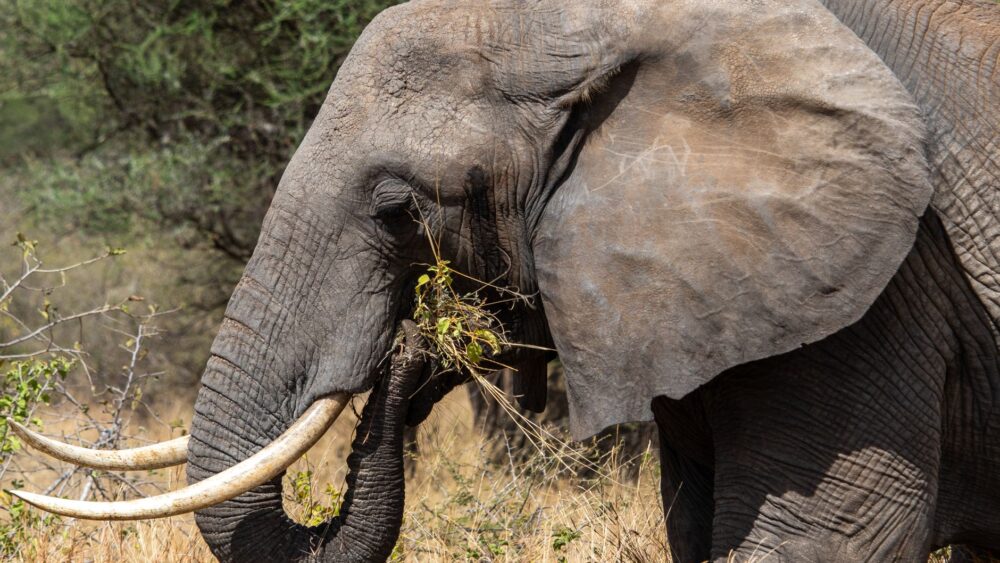
A Zulu and Ndebele surname meaning “elephant.” In Nguni naming tradition, clan names often invoke powerful animals, and the elephant is the symbol of strength, memory, and authority.
Khumalo
A Zulu clan name and surname associated with one of the great Nguni clans. The Khumalo clan played a significant role in Zulu and Matabele history, and the surname carries a sense of warrior heritage.
Zuma
A Zulu surname associated with the Zuma clan of KwaZulu-Natal. It rose to global visibility through Jacob Zuma, South Africa’s former president, but it is a genuine clan name predating that association by generations.
Mandela
A Xhosa surname from the Thembu clan of the Eastern Cape. It derives from the word Mandela meaning “troublemaker” in a specific ancestral context, or more broadly associated with the name of an ancestor. Nelson Mandela made it the most recognized African surname in history.
Sisulu
A Xhosa surname from the Eastern Cape and one of the great surnames of the South African liberation movement. Walter Sisulu, one of Nelson Mandela’s closest colleagues, is its most prominent bearer.
Biko
A Xhosa surname from the Eastern Cape. Steve Biko, the anti-apartheid activist and founder of the Black Consciousness Movement, is its most recognized bearer. The name itself is a clan designation.
Mokoena
A Sotho and Zulu surname meaning “crocodile,” derived from the word koena. Among the Basotho people, the crocodile is a royal and protective totem, making this one of the most prestigious surnames in Lesotho and South Africa.
Molefe
A Sotho surname meaning “one who pours” or associated with the role of pouring libations in ceremony. It is a common Tswana and Sotho family name across South Africa and Botswana.
Sithole
A Zulu and Ndebele clan name meaning “in the forest” or “of the forest.” It is one of the more common surnames in Zimbabwe and KwaZulu-Natal.
Mugabe
A Shona surname from Zimbabwe meaning “he who speaks without being questioned” or associated with authoritative speech. Robert Mugabe made it globally recognizable, but the name is a genuine Shona clan designation used by many families.
Chikwanda
A Bemba surname from Zambia. The Bemba people of northern Zambia use clan-based surnames, and Chikwanda is one of the prominent ones, associated with leadership lineages.
Nzinga
A Mbundu surname from Angola meaning “to hunt” or associated with strategic strength. Queen Nzinga of Ndongo and Matamba, the 17th-century Angolan ruler who fought Portuguese colonization, is its most celebrated bearer.
Mahlangu
A Ndebele and Zulu surname from South Africa and Zimbabwe. The Mahlangu name is associated with the Ndebele people’s artistic tradition, particularly the geometric wall-painting style for which Ndebele women are famous.
Radebe
A Zulu clan name from KwaZulu-Natal meaning “of the Radebe clan,” one of the historic Nguni lineage groups. It is widely known in South Africa through political figures and sporting personalities.
Moyo
A Shona surname from Zimbabwe meaning “heart.” It is one of the most common surnames in Zimbabwe and is also used in Malawi and Zambia. It conveys warmth and emotional depth as a family name.
Banda
A surname common across Malawi, Zambia, and Zimbabwe. In Malawi it is associated with the Chewa people and was the surname of Hastings Kamuzu Banda, the country’s first president. The name relates to clan membership among the Chewa.
Central African Last Names
Central African surnames come from Lingala, Kikongo, Kinyarwanda, Kirundi, Sango, and other Bantu languages. The Democratic Republic of Congo, Rwanda, Burundi, Cameroon, and the Central African Republic each have distinct naming traditions, though Bantu linguistic roots often connect them.
Kabila
A surname from the Democratic Republic of Congo, associated with the Katanga region. It means “tribe” or “clan” in its root form. Laurent-Désiré Kabila and his son Joseph Kabila, both presidents of the DRC, made it internationally known.
Mobutu
A surname from the DRC associated with the Ngbandi people of the Equateur region. Mobutu Sese Seko, the DRC’s longtime dictator, took this as part of his name during his Authenticité campaign, and it reflects a northern Congolese clan designation.
Kagame
A Rwandan surname from the Kinyarwanda language. Paul Kagame, Rwanda’s president, carries this name. In Kinyarwanda naming tradition, the name relates to a specific ancestral lineage designation.
Ntaryamira
A Burundian surname from the Kirundi language meaning “God has given me a shield” or associated with divine protection. It was the surname of Cyprien Ntaryamira, Burundi’s president who died in 1994.
Sassou Nguesso
A Congolese surname from the Republic of Congo, associated with the Mbochi people of the north. Denis Sassou Nguesso, the long-serving president, carries this compound family name rooted in northern Congolese clan identity.
Biya
A Cameroonian surname from the Beti people of southern Cameroon. Paul Biya, Cameroon’s president, carries this name. It is a genuine Beti clan surname from the Bulu sub-group.
Eyad
Rather than stretch into uncertain territory, the more accurate Central African entry here is Eyadémaa Togolese surname from the Kabyè people meaning “I built it myself” or conveying self-sufficiency. Gnassingbé Eyadéma, Togo’s longtime ruler, is its most recognized bearer.
Lumumba
A Congolese surname from the Tetela people of the DRC meaning “gifted” or “the brilliant one.” Patrice Lumumba, the DRC’s first prime minister and independence hero, made it one of the most symbolically powerful surnames in African political history.
Habimana
A Rwandan and Burundian surname from Kinyarwanda meaning “God exists” or “there is God.” It is one of the most common surnames in Rwanda and reflects the deeply theistic naming tradition of the Great Lakes region.
Nkurunziza
A Burundian surname from the Kirundi language meaning “God heals” or “God straightens.” Pierre Nkurunziza, Burundi’s former president, is its most internationally known bearer.
Mvondo
A Cameroonian surname from the Beti/Bulu people of southern Cameroon. It is a clan name within the Beti community and one of the recognizable family names of the south and center regions of the country.
Surnames from Across the African Diaspora
Many African last names traveled across the Atlantic and Indian Ocean through the slave trade and migration, evolving in new contexts while retaining threads of their origin. These names are carried by families across the Caribbean, the Americas, and Europe who maintain or have reclaimed their African roots.
Toussaint
A surname of French origin widely carried in Haiti and across the Caribbean, but deeply associated with the African diaspora through Toussaint Louverture, the Haitian revolutionary. Many Haitian families with this name are of West African descent.
Bâ
A Fulani (Fula) surname from Senegal, Guinea, and Mali meaning “river” or associated with flowing water and abundance. Mariama Bâ, the celebrated Senegalese novelist, is one of its most renowned bearers.
Dangarembga
A Shona surname from Zimbabwe. Tsitsi Dangarembga, the Booker Prize-shortlisted novelist and filmmaker, carries it. It is a genuine Shona clan name rooted in the Manicaland region.
Adichie
An Igbo surname from Nigeria. Chimamanda Ngozi Adichie, one of the most influential writers of her generation, bears it. The name has roots in the Igbo tradition of compound surnames reflecting ancestral lineage.
Soyinka
A Yoruba surname from Nigeria. Wole Soyinka, the Nobel Prize-winning playwright and the first African to win the Nobel Prize in Literature, carries this name. It is a Yoruba family name from Abeokuta.
How to Choose the Right African Last Name for Your Research or Creative Work
If you are researching your own African heritage, the most important first step is identifying the specific ethnic group and region your family comes from. African last names are not interchangeable across the continent. A Yoruba surname in a Kikuyu context would be as jarring as mixing up Welsh and Greek last names. Get the geography right first, then explore the names within that tradition.
For writers building characters, the same rule applies. A surname tells a reader not just a name but a world: which language family the character comes from, which region, which cultural framework shapes their sense of identity. A Zulu clan name like Ndlovu (elephant) or Khumalo immediately signals a southern African Nguni heritage, while Tesfaye or Bekele grounds a character unmistakably in the Ethiopian highlands. Use that specificity intentionally.
If you are exploring African last names for a baby’s name or a middle name to honor heritage, lean toward names whose meanings you can genuinely connect to. Many African surnames carry extraordinary meanings: Nkosi (king), Moyo (heart), Lumumba (the gifted one), Haile (strength). These are not just beautiful sounds but declarations about identity and value. Knowing what the name says is the whole point.
Finally, pay attention to pronunciation. Many African surnames are phonetically straightforward once you know the language’s rules, but they are often mispronounced by those unfamiliar with them. Learning the correct pronunciation of a name is a basic form of respect, and if you are giving a child or character a name from a tradition not your own, committing to saying it correctly matters as much as choosing it in the first place.
African last names are one of the great naming treasures of the world, spanning thousands of languages and tens of thousands of years of human history. From the royal Zulu clan names of KwaZulu-Natal to the Amharic surnames of the Ethiopian highlands to the Mande warrior names of the Sahel, each one carries a story worth knowing. The names above are a starting point, not a ceiling.