

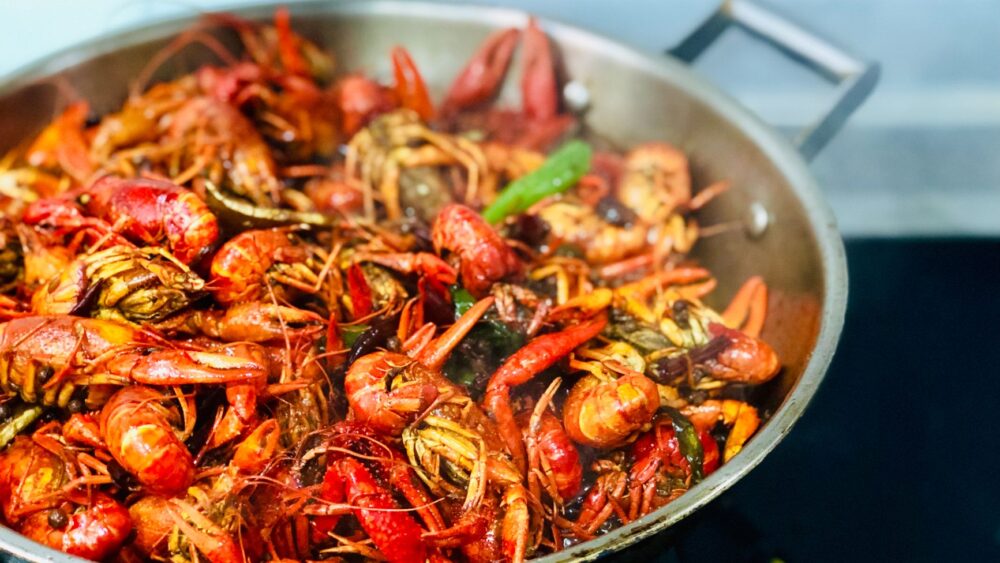
Cajun names are a window into one of the most layered, resilient cultures in North America. Born from the Acadian French exiles who settled Louisiana’s bayous in the 18th century, these names blend French Catholic tradition, African Creole influence, Spanish colonial history, and Indigenous roots into something entirely their own. If you are looking for a name with genuine depth and a story attached, Cajun and Louisiana Creole naming culture is one of the most rewarding places to start.
This list covers real Cajun first names still given to children today, classic Louisiana Creole given names, and the storied family surnames that built the bayou parishes. Every entry here is rooted in genuine Louisiana naming tradition, not a romanticized invention.
Classic Cajun Boys’ First Names
These are the given names you will find in old parish registers across St. Martin, Vermilion, and Lafayette parishes. They are French at their core, shaped by oral tradition into distinctly Louisiana forms.
Alcide
A French form rooted in the Latin Alcides, a name tied to classical mythology. In Cajun country, Alcide became a sturdy, dignified given name for sons and appears across 19th and early 20th century Louisiana census records.
Armand
The French form of Herman, meaning “army man” from Germanic roots. Armand has been a steady presence in Louisiana French families for generations and still feels both old-world and wearable today.
Beau
Literally “handsome” in French. Beau has been used as a given name in Louisiana since the colonial era and remains one of the most recognizable Cajun names in wider American culture.
Clovis
An ancient Frankish name, the Latinized form of the Germanic Hlodovicus, ancestor of Louis. Clovis carries enormous historical weight as the name of the first Frankish king, and it has been quietly cherished in Catholic Cajun families for centuries.
Delphine
Used for both boys and girls historically in Cajun culture, though more commonly feminine. Here as a masculine entry because it does appear on Cajun men in historical records. From the Latin Delphinus, meaning “from Delphi” or associated with the dolphin.
Edmond
The French form of Edmund, meaning “wealthy protector” from Old English roots filtered through French. Edmond is a solid Cajun staple, appearing in the Broussard, Thibodaux, and Fontenot family trees repeatedly.
Evariste
From the Greek Evaristos, meaning “well-pleasing.” This is the kind of name that marks a deeply Cajun Catholic register, rarely found outside Louisiana and Quebec. Evariste has a wonderful, unhurried sound.
Félicien
A French masculine name derived from Latin felix, meaning “happy” or “fortunate.” Common in the bayou parishes in the 1800s and nearly extinct today, which makes it genuinely rare and distinctive.
Gustave
From the Swedish and German Gustav, meaning “staff of the Goths” or “royal staff.” Gustave arrived in Louisiana through French colonial channels and became a comfortable fixture in Cajun families.
Isidore
From the Greek Isidoros, meaning “gift of Isis.” Saint Isidore of Seville was enormously popular in Catholic naming culture, and Isidore is a recurring given name in southwest Louisiana parish records.
Julien
The French form of Julian, from Latin Iulianus. Julien has been a consistent Cajun choice across centuries and still feels alive and usable rather than dusty.
Lazare
The French form of Lazarus, from the Hebrew Elazar, meaning “God has helped.” Lazare was a genuine given name in Acadian and Cajun communities, carrying deep Catholic resonance.
Léon
From the Latin Leo, meaning “lion.” Léon is a strong, clean Cajun name with centuries of use in Louisiana French families and a contemporary feel that makes it appealing again right now.
Narcisse
From the Greek myth of Narcissus, and the Latin Narcissus. Used as a masculine given name in Cajun Catholic culture, Narcisse shows up in old Louisiana records and has a strikingly unusual character today.
Onésime
From the Greek Onesimos, meaning “useful” or “beneficial.” This is a deeply Cajun name, rarely found outside Francophone Catholic communities in Louisiana and Canada. Onésime is for the truly adventurous namer.
Théodule
From the Greek Theodulos, meaning “slave of God” in the devotional Catholic sense of humble servant. Théodule is an extraordinarily rare Cajun name that surfaces in old Vermilion and Iberia parish records.
Valsin
A Louisiana Creole and Cajun form with roots in the Latin Valentinus. Valsin is almost exclusively a Louisiana name and has a sound that is completely distinctive. This one is a genuine find.
Zéphirin
From the Greek Zephyros, the west wind. Zéphirin was used as a given name in Cajun Catholic families and carries the airy, poetic quality that Cajun naming culture does so well.
Classic Cajun Girls’ First Names
Cajun girls’ names draw heavily on French Catholic saints, Creole oral tradition, and a lyrical sensibility that turns even common roots into something musically distinctive.
Adèle
From the Germanic adal, meaning “noble.” Adèle has been a refined Cajun choice for generations and is one of those names that travels easily between French Louisiana and the broader English-speaking world.
Aimée
From the French aimer, meaning “beloved.” Aimée has deep roots in Louisiana French naming culture and carries a warmth that is hard to argue with.
Céleste
From the Latin caelestis, meaning “heavenly.” Céleste is a Louisiana beauty that has been in use since the French colonial period and is currently enjoying a broader revival.
Clothilde
From the Germanic Hlodohild, meaning “renowned in battle.” Saint Clotilde was the Frankish queen who converted Clovis to Christianity, and the name was cherished in Cajun Catholic families as a result.
Euphémie
From the Greek euphemia, meaning “well-spoken” or “of good repute.” Saint Euphemia was an early Christian martyr, and her name traveled into Cajun Catholic use with genuine devotion attached.
Félicité
From the Latin felicitas, meaning “happiness” or “good fortune.” Félicité is the feminine counterpart to Félicien and appears in old Louisiana records with lovely frequency. It has a lush, romantic sound.
Héloïse
Of uncertain Germanic origin, associated with the name of the famous medieval scholar and philosopher. Héloïse has been used in Cajun families with a certain literary elegance and is a strong choice for revival.
Joséphine
The feminine form of Joseph, from the Hebrew meaning “God will add.” Joséphine is deeply embedded in Cajun and Louisiana Creole naming culture, partly through the fame of Napoleon’s empress, who was herself born in the Caribbean French world.
Léonie
The feminine form of Léon, from Latin Leo. Léonie has a beautiful, liquid sound and has been used in Louisiana French families for over two centuries. It is criminally underused today.
Lise
A French diminutive of Élisabeth, meaning “pledged to God” from the Hebrew Elisheba. Lise was used as an independent given name in Cajun families and has a clean, spare elegance.
Marguerite
The French form of Margaret, from the Greek margarites, meaning “pearl.” Marguerite is one of the great Cajun names, deeply rooted in Louisiana and currently ripe for a comeback.
Mathilde
From the Germanic Mahthildis, meaning “strength in battle.” Mathilde has a grounded, serious quality in Cajun naming culture and is a name that wears centuries of history without feeling weighed down.
Nathalie
From the Latin natalis, meaning “born on Christmas Day.” Nathalie has been a consistent presence in Louisiana French families and has an effortless, pretty sound that holds up well today.
Odette
A French diminutive form derived from the Germanic Oda. Odette has deep Louisiana roots and a quietly glamorous quality. It has been gaining attention nationally in recent years.
Rosalie
From the Latin rosa, meaning “rose,” combined with the diminutive suffix. Rosalie is a genuine Cajun classic, the kind of name that sounds like it belongs on a front porch in St. Martinville.
Séraphine
From the Hebrew seraphim, the highest order of angels. Séraphine was used as a given name in Cajun Catholic families and has an ethereal, deeply religious character that still feels beautiful today.
Virginie
The French form of Virginia, from the Latin virgo, meaning “maiden.” Virginie was a common given name in Acadian and Cajun families, and it has a stately, Old Louisiana quality that is hard to replicate.
Louisiana Creole Given Names
Louisiana Creole names reflect the African, French, Spanish, and Caribbean strands that make New Orleans and the surrounding parishes unlike anywhere else in the country. These names were used by Creole families of color and white Creole families alike and represent a distinct naming culture from Cajun French, though the two traditions overlap significantly.
Alcée
A Louisiana Creole masculine name, likely derived from French forms of the Greek Alkaios, meaning “strength.” Alcée Fortier, the 19th-century Louisiana folklorist and educator, is a notable real bearer. The name is essentially unique to Louisiana.
Aristide
From the Greek Aristides, meaning “best.” Aristide was used in Louisiana Creole families as a dignified, classical choice and has a strikingly cosmopolitan sound.
Aurore
The French form of Aurora, from the Latin for “dawn.” Aurore has been used in Louisiana Creole families as a poetic, luminous given name and is a beautiful alternative to the currently popular Aurora.
Célestin
The masculine form of Céleste, from the Latin caelestis. Célestin is a Louisiana Creole given name with genuine historical use and a warm, rounded sound.
Coralie
From the French corail, meaning “coral,” used as a given name. Coralie has a long history in Louisiana Creole families and a delicate, feminine sound that holds up beautifully.
Eulalie
From the Greek eulalos, meaning “well-spoken.” Saint Eulalia was a popular martyr in the early Church, and her name traveled into Louisiana Creole culture. Edgar Allan Poe famously used it in verse, but it was a real given name long before that.
Hyacinthe
From the Greek Hyakinthos, associated with the hyacinth flower and a figure in Greek mythology. Hyacinthe was used as both a masculine and feminine given name in Louisiana Creole families and is one of the most distinctive names on this list.
Octave
From the Latin Octavius, meaning “eighth.” Octave was a genuine Louisiana Creole masculine name, used in both white Creole and Creole of color families. Octave Thanet was a pen name, but Octave as a given name is well-documented in Louisiana records.
Sidonie
From the Latin Sidonius, related to the ancient Phoenician city of Sidon. Sidonie was used in Louisiana Creole culture as a feminine name with a refined, slightly mysterious quality.
Théodose
From the Greek Theodosios, meaning “gift of God.” Théodose was used in Louisiana Creole families as a masculine given name and has the weight of Byzantine and early Christian history behind it.
Cajun and Creole Names from the Spanish Influence
Spain governed Louisiana from 1762 to 1800, and that era left a real mark on naming culture in New Orleans and the surrounding parishes. These names entered Louisiana’s Cajun and Creole tradition during that period.
Celestino
The Spanish form of Célestin, from the Latin caelestis. Celestino appears in Louisiana records from the Spanish colonial period and was absorbed into Creole naming culture with ease.
Concepción
From the Spanish Catholic devotion to the Immaculate Conception of the Virgin Mary. Concepción was used as a feminine given name in Louisiana during the Spanish period and reflects the deep Marian piety of the culture.
Dolores
From the Spanish Nuestra Señora de los Dolores, Our Lady of Sorrows. Dolores entered Louisiana naming culture through the Spanish colonial period and remained in use in Creole families well into the 20th century.
Esperanza
From the Spanish esperanza, meaning “hope.” Esperanza was used as a given name in Spanish-influenced Louisiana families and has a lyrical beauty that suits the bayou world.
Ignacio
The Spanish form of Ignatius, from the Roman family name Egnatius and associated with Saint Ignatius of Loyola. Ignacio appears in Louisiana Spanish colonial records and was adopted by some Creole families.
Manuela
The Spanish feminine form of Manuel, itself a form of Emmanuel from the Hebrew meaning “God is with us.” Manuela was used as a given name in Spanish-era Louisiana and has a warmth and richness that suits the Creole tradition.
Iconic Cajun Last Names
Cajun surnames are among the most recognizable in American regional culture. Most trace directly to the Acadian families who were expelled from Nova Scotia in 1755 in the event known as Le Grand Dérangement and eventually settled in Louisiana. These surnames are not just family names; they are the building blocks of an entire culture.
Arceneaux
One of the foundational Acadian-Cajun surnames, derived from a French place name. The Arceneaux family is one of the original Acadian clans, and the name is a reliable marker of deep Louisiana roots.
Babin
An Acadian surname of French origin, possibly from a Germanic root meaning “stammering.” The Babin family is well-documented among the original Acadian settlers and their Cajun descendants.
Boudreaux
Perhaps the most famous Cajun surname in American culture, Boudreaux is a French surname derived from a place name in the Bordeaux region. It is the subject of countless Louisiana jokes and a genuine marker of Cajun identity.
Broussard
A major Acadian surname derived from the French word for “brush” or “underbrush,” referring to someone who lived near thickets. Joseph Broussard, known as Beausoleil, was a legendary Acadian resistance leader who led his people to Louisiana.
Comeaux
An Acadian surname, a Louisiana phonetic spelling of the French Comeau. The Comeaux family is among the early Acadian settlers, and the name is a staple of southwest Louisiana communities.
Daigle
From the French aigle, meaning “eagle,” with the article de attached. The Daigle family is one of the original Acadian clans, and the name has been central to Cajun communities in Lafourche and Terrebonne parishes.
Fontenot
From a French place name meaning “little fountain” or “small spring.” Fontenot is one of the most distinctly Cajun surnames and is concentrated heavily in Evangeline and St. Landry parishes in Louisiana.
Gautreaux
An Acadian surname of French origin, with roots in a Germanic personal name. Gautreaux is a classic Cajun name, heavily represented in Lafourche Parish and the bayou communities of southeast Louisiana.
Hébert
From the Germanic personal name Heribert, meaning “bright army.” Hébert is one of the most common Acadian surnames and one of the most widespread Cajun family names in Louisiana today.
Landry
From the Germanic Landric, meaning “land power.” The Landry family is one of the foundational Acadian families, and Landry is among the most common surnames in Louisiana. It functions as both a surname and a given name in Cajun culture.
LeBlanc
Simply “the white” in French, likely referring to a fair-complexioned ancestor. LeBlanc is one of the dominant Acadian surnames and appears throughout southwest Louisiana in enormous numbers.
Mouton
From the French mouton, meaning “sheep,” likely a nickname for a shepherd or a gentle person. Mouton is a classic Cajun surname concentrated in Lafayette Parish and is one of the more distinctive names on this list.
Thibodaux
The Louisiana spelling of the French surname Thibodeau, from the Germanic Theobald, meaning “bold people.” Thibodaux gave its name to the city in Lafourche Parish and remains one of the most recognizable Cajun surnames.
Trahan
An Acadian surname of uncertain origin, possibly from a French place name or personal name. Trahan is a genuine Cajun family name, concentrated in the Teche and Vermilion regions of Louisiana.
Trosclair
A Louisiana Cajun surname that appears to combine French elements, concentrated heavily in Lafourche Parish. Trosclair is one of those surnames that is almost entirely unique to Louisiana and marks a family’s deep bayou roots.
Louisiana Creole Family Names
Louisiana Creole surnames reflect the broader mix of the New Orleans world: French, Spanish, African, and Caribbean strands woven together into names found nowhere else in quite the same form.
Barthé
A Louisiana Creole surname derived from the French Barthélemy, the French form of Bartholomew. The Barthé family produced Richmond Barthé, the celebrated 20th-century sculptor, making this one of the most culturally significant names on this list.
Beaumont
From the French meaning “beautiful mountain.” Beaumont appears as a surname in Louisiana Creole families and has the clean, aristocratic quality typical of French colonial naming culture.
Claiborne
An Anglo-French surname that entered Louisiana through its early American governors, but was adopted into Creole naming culture. Claiborne is used as both a surname and a given name in Louisiana today.
Desdunes
A Louisiana Creole surname associated with the family of Rodolphe Desdunes, the 19th-century Creole journalist and civil rights activist. The name is essentially unique to Louisiana’s Creole community.
Labat
A French Creole surname from the word abbé or abbat, related to an abbot or priest. Labat is found in Louisiana Creole family records and has a quiet, old-world dignity.
Rillieux
A Louisiana Creole surname made famous by Norbert Rillieux, the 19th-century inventor and engineer. The name is of French origin and is essentially associated exclusively with Louisiana’s free Creole of color community.
Sauvinet
A French Creole surname found in the records of Louisiana’s free people of color. Charles Sauvinet was a notable Creole civil rights figure in Reconstruction-era New Orleans. The name has a refined, distinctly Creole sound.
Cajun Names Used as Both First and Last Names
One of the most interesting features of Cajun naming culture is the tradition of using surnames as given names, particularly for boys. These names move fluidly between first-name and last-name use in Louisiana families.
Beausoleil
Meaning “beautiful sun” in French, Beausoleil was the nickname and eventually the surname of the Acadian hero Joseph Broussard. It has been used as a given name in Louisiana and is also the name of one of the most celebrated Cajun music bands.
Bienville
From the French, meaning “good town.” Jean-Baptiste Le Moyne de Bienville was the founder of New Orleans, and his name has been used in Louisiana as a given name and place name with genuine reverence.
Thibault
The French form of Theobald, meaning “bold people,” and the root of the surname Thibodaux. Thibault has been used as a given name in Louisiana French families and has a medieval French elegance that feels genuinely distinguished.
How to Choose a Cajun Name
The most important thing to understand about cajun names is that they carry a specific cultural and historical identity. If your family has Acadian, Cajun, or Louisiana Creole roots, leaning into that heritage is one of the most meaningful things you can do with a name choice. Look through old family records, parish registers, and census documents. The name Valsin or Onésime sitting in a great-great-grandfather’s baptismal record is a far more personal choice than any name trend can offer.
If you are drawn to the aesthetic of Cajun names without a direct family connection, the French Catholic tradition is wide enough to work with. Names like Céleste, Marguerite, Léon, and Julien are deeply rooted in Louisiana but wear easily in English-speaking contexts. They give you the beauty of the tradition without requiring the listener to already know how to pronounce Evariste or Théodule.
Consider the surname tradition carefully. Using a Cajun surname like Landry, Thibault, or Beausoleil as a first name is a genuinely Louisiana move, and it can honor a family connection without being as opaque as a deeply archaic given name. It also gives you a name that is immediately usable in everyday life while still carrying real cultural weight.
Finally, think about pronunciation. Many of these names have Louisiana French pronunciations that differ from standard French and differ even more from English intuitions. Hébert is locally pronounced “AY-bear.” Thibodaux is “TIB-uh-doh.” If you love a name, learn how the Louisiana community actually says it. That is part of the respect owed to the culture these names come from.
Cajun and Creole naming culture produced some of the most beautiful, layered, and historically resonant names in North America. Whether you are tracing roots or simply drawn to the sound of the bayou, these names carry a genuine story worth telling.