

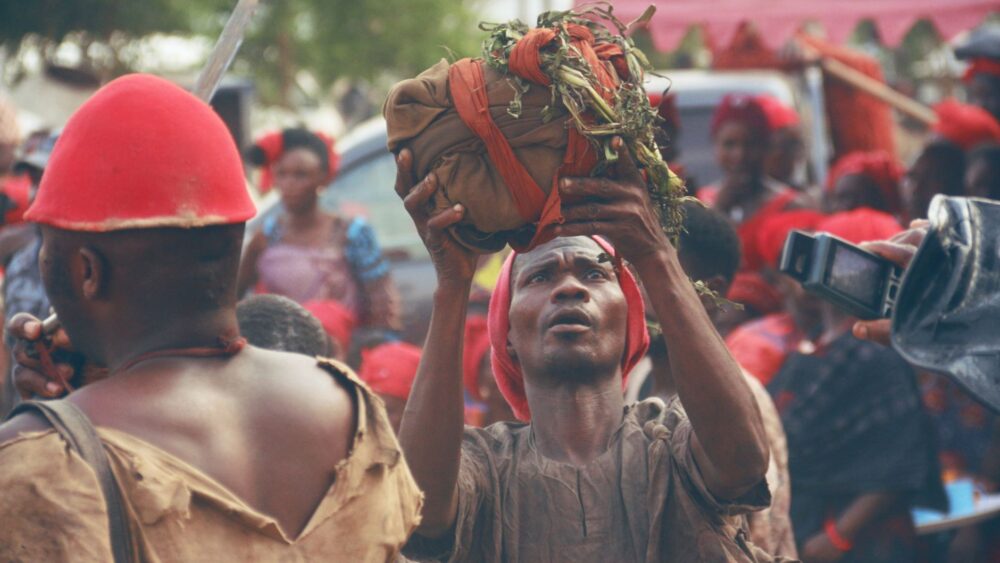
Ghanaian names are among the most meaningful naming traditions in the world. Rooted in the languages and customs of ethnic groups including the Akan, Ewe, Ga, Dagbani, and Fante peoples, these names carry stories about the day a child was born, the family’s hopes, the spiritual world, and the circumstances surrounding a birth. A Ghanaian name is rarely just a label, it is a declaration.
The most widely known system is the Akan day-name tradition, where a child receives a soul name (kra din) based on the day of the week they were born, each day associated with a specific name for boys and girls. But beyond day names, Ghanaian names span birth order, family circumstance, spiritual meaning, and pure poetic beauty. Whether you have Ghanaian roots or simply love names with depth, this collection offers some of the finest the tradition has to offer.
Akan Day Names for Boys
The Akan day-name system is one of the most distinctive naming traditions anywhere. Each day of the week has a male soul name, and these names are used across Akan-speaking groups including Asante, Fante, and Bono peoples. The name a boy receives tells you exactly when he arrived in the world.
Kwasi
The Akan soul name for a boy born on Sunday. It is one of the most common Ghanaian names you will encounter, carried by kings, scholars, and everyday people alike. Often spelled Kwesi in some Akan dialects.
Kwadwo
Born on Monday. The name signals a quiet, peaceful soul, Monday’s child in the Akan system is associated with calmness and tranquility. Also spelled Kwajo or Cudjoe in older records.
Kwabena
The soul name for a boy born on Tuesday. It carries a strong, energetic quality in Akan tradition, Tuesday being associated with the sea and with vigor.
Kwaku
Wednesday’s boy. Kwaku is sharp, spirited, and famously associated with Kwaku Anansi, the beloved spider trickster of Akan folklore, one of the most iconic characters in West African storytelling.
Yaw
Born on Thursday. Yaw is short, punchy, and deeply traditional. It is also one of the Ghanaian names that has traveled well into the diaspora, feeling both rooted and accessible.
Kofi
The soul name for a boy born on Friday, and arguably the single most recognizable Ghanaian name internationally. Former UN Secretary-General Kofi Annan made this name known around the world. It carries warmth and weight in equal measure.
Kwame
Saturday’s boy. Kwame is a powerhouse of a name, borne by Ghana’s founding president Kwame Nkrumah, it carries enormous historical resonance and sounds strong in virtually any language context.
Akan Day Names for Girls
The female day names in the Akan system are equally beautiful and equally meaningful. Each one anchors a girl’s identity to her moment of birth.
Akosua
The female soul name for Sunday. Akosua is musical and warm, one of the most beloved Ghanaian names for girls. It is sometimes shortened to Kosi or Osu in everyday use.
Adwoa
Born on Monday, this name shares the peaceful, gentle energy of its male counterpart Kwadwo. Adwoa has a soft, flowing sound that has made it popular well beyond Akan communities.
Abena
Tuesday’s girl. Abena is a strong, confident name with a clean, two-syllable sound that works beautifully as a first or middle name. It has been gaining quiet attention in naming circles outside Ghana.
Akua
Wednesday’s female soul name. Like Kwaku, Wednesday children in Akan tradition are said to be lively and spirited. Akua is short, vivid, and deeply rooted.
Yaa
Thursday’s girl, and one of the most historically significant Ghanaian names for women. Yaa Asantewaa, the Asante queen mother who led a war against British colonialism in 1900, is one of Ghana’s greatest heroes.
Afua
Friday’s girl, the female counterpart to Kofi. Afua is elegant and understated, with a quiet spiritual quality. Also spelled Efua in some communities.
Ama
Saturday’s girl. Ama is short, bright, and genuinely lovely, one of those rare names that is both deeply traditional and completely effortless to use anywhere in the world.
Akan Names Meaning Strength, Power, and Nobility
Beyond the day-name system, the Akan tradition is full of names that celebrate strength, royal lineage, and personal power.
Agyeman
An Akan name meaning “savior of the nation” or “one who saves the people.” It has long been associated with royal and chiefly lineages in Asante history.
Asante
Meaning “warlike” or “those who are together for war,” this name carries the pride of one of West Africa’s most powerful kingdoms. It is used as a given name as well as an ethnic identifier.
Nana
In Akan culture, Nana is a title of respect for chiefs and elders, but it functions as a given name meaning “king” or “queen” depending on context. Dignified and deeply Ghanaian.
Osei
A royal Asante name borne by several great Asante kings, including Osei Tutu, the founder of the Asante Confederacy. It conveys nobility and strong leadership.
Opoku
Another Asante royal name, associated with Opoku Ware, one of the most powerful Asante kings. It is a name that carries serious historical weight in Ghanaian culture.
Akosua Asantewaa
While Yaa Asantewaa is the famous bearer, Asantewaa itself is used as a given name meaning “the brave woman” or referring to the Asante people’s strength. It is a name worn as a tribute.
Boateng
An Akan surname-turned-given-name meaning “great river” or associated with a large river. It has crossed into first-name use, especially in the diaspora, where it carries a strong Ghanaian identity marker.
Ewe Names from the Volta Region
The Ewe people of the Volta Region and southeastern Ghana have a rich naming tradition of their own, with names that are poetic, philosophical, and often tied to birth circumstances or spiritual belief.
Kafui
An Ewe name meaning “give thanks to God” or “worship God.” It is a name of deep gratitude, given when parents feel a child’s arrival is a direct blessing.
Edem
Meaning “grace” or “God’s grace” in Ewe. Short, strong, and spiritually grounded, Edem has a universally appealing sound while remaining distinctly Ghanaian.
Selorm
An Ewe name meaning “God has done this for me.” It is a name of testimony, parents who went through difficulty to have a child often choose it as a declaration of faith.
Mawuli
From the Ewe, meaning “there is a God” or “God exists.” Mawu is the Ewe name for the supreme deity, making this name a direct affirmation of faith. Strong and meaningful.
Dzifa
Ewe for “peaceful heart” or “peace of mind.” It is a beautiful, calming name for a child born into peaceful circumstances or given as a wish for inner peace throughout their life.
Sena
An Ewe name meaning “God has cared for me” or “God has given.” Short and quietly lovely, Sena works well as a first or middle name and has a gentle, unassuming strength.
Xorlali
Meaning “God is with us” in Ewe. A longer, more elaborate name that carries profound spiritual meaning, often given to children whose birth came after hardship or prayer.
Enyonam
An Ewe name meaning “it is good for me” or “God is good to me.” It is an expressive, grateful name that celebrates the goodness of the child’s arrival.
Delali
Ewe for “God knows” or “in God’s care.” It is a name of trust and surrender, given when parents want to acknowledge that a child’s life is ultimately in divine hands.
Kokou
An Ewe day name for a boy born on Wednesday, parallel to the Akan tradition. Kokou is used widely among Ewe communities in Ghana and neighboring Togo.
Ga Names from the Greater Accra Region
The Ga people of the Greater Accra region, centered around Ghana’s capital, have naming traditions that often reflect birth circumstances, family position, and spiritual significance.
Nii
A Ga title and name meaning “chief” or “king,” used for males. It is often prefixed to other names (Nii Armah, Nii Lante) but also stands alone as a given name of dignity and rank.
Naa
The female equivalent of Nii in Ga tradition, meaning “queen” or “lady.” Like Nii, it is both a title and a name, and it carries elegant simplicity.
Tetteh
A Ga name given to the firstborn son. It is a name of pride and expectation, marking the child’s role as the one who opens the family’s next generation.
Dede
The Ga name for the firstborn daughter. Dede has a warm, doubled sound and is one of the most recognizable Ga names for girls. Gentle but full of meaning.
Nortey
A Ga name meaning “one who is loved” or associated with being cherished within the family. It is a deeply affectionate name with a strong community feeling.
Okine
A Ga male name associated with the second son. Ga birth-order names are precise, and Okine marks a specific place in the family structure with care and intention.
Lamiokor
A Ga female name meaning “I am satisfied” or “I am content.” It is a name of fulfillment, often given when a child completes a family or arrives after long waiting.
Names Meaning Joy, Blessing, and Gift
Across Ghana’s many ethnic groups, names celebrating a child as a gift or a source of joy are among the most common and most beloved.
Abena Konadu
Konadu is an Akan name meaning “a gift from God” or “God’s child.” It is often used as a second name alongside a day name like Abena, but it also stands alone with grace.
Nhyira
Akan for “blessing.” Nhyira is one of those Ghanaian names that is almost entirely meaning, every syllable is the thing itself. It has become increasingly popular among modern Ghanaian families.
Esinam
An Ewe name meaning “God has heard me” or “God listened.” It is a deeply personal name of answered prayer, given when a child arrives after a difficult wait.
Abiba
Used across several Ghanaian communities, meaning “child born after the grandmother’s death” or more broadly “the one who came back.” It carries both grief and joy, honoring continuity across generations.
Akweley
A Ga female name meaning “the loved one” or “the one we cherish.” It has a flowing, elaborate sound that feels both traditional and distinctive.
Maame
Akan for “mother” or “woman of the house,” used as a given name to honor maternal strength. Giving a daughter this name is a declaration of the power and dignity she carries from birth.
Adwoa Piesie
Piesie is an Akan name meaning “firstborn” or “the first fruit.” It is used for the first child, regardless of gender, and carries enormous family significance. Often paired with a day name.
Names Tied to Birth Circumstances
Many Ghanaian names are given specifically to mark the conditions of a child’s birth, the time of day, the season, events happening in the world, or the state of the family. These names are some of the most poetic in the tradition.
Abrokwah
An Akan name given to a child born during a period of hardship or debt. Rather than hiding difficulty, the name acknowledges it directly, trusting that the child’s arrival brings change.
Ato
A Fante name given to the third-born son. Simple, clean, and specific, Ato is a name that knows exactly what it is.
Mansa
An Akan name meaning “third-born girl” or associated with the third child. Mansa has a regal, unhurried sound and has long been a staple of Akan female naming.
Panyin
Akan for “the elder twin.” In Ghana, twins are considered sacred and receive specific names. Panyin marks the first of the two to arrive.
Kakra
The Akan name for the younger twin, the one who arrives second. Panyin and Kakra are always used as a pair, celebrating both children as a unit while giving each an individual identity.
Aba
A Fante female name given to a girl born on Thursday. It is the Fante parallel to the Akan Yaa, and it has a soft, open sound that makes it easy to use anywhere.
Ekua
The Fante form of Wednesday’s female name, parallel to Akan Akua. Ekua is warm and melodic, and it is widely used among Fante-speaking communities along Ghana’s coast.
Dagbani and Northern Ghanaian Names
The northern regions of Ghana are home to the Dagomba, Mamprusi, Gonja, and other peoples with distinct naming traditions, often shaped by Islamic influence and local custom.
Alhassan
A Dagbani form of the Arabic Hasan, meaning “handsome” or “good.” It is one of the most common names in northern Ghana and carries both Islamic and local cultural weight.
Sumaila
The northern Ghanaian form of Ishmael, meaning “God hears.” Sumaila is deeply embedded in Dagomba and Mamprusi naming culture and has a warm, familiar feel across the north.
Yakubu
The Hausa-influenced form of Jacob, meaning “supplanter” or “he follows at the heel,” used widely in northern Ghana. Yakubu has a strong, grounded sound and deep roots in the region.
Fusena
A northern Ghanaian female name, a local form of Hussaina or Fatima-related names, carrying Islamic roots. It is warm, distinctly northern Ghanaian, and widely recognized.
Ziblim
A Dagbani name meaning “the one who arrived” or associated with the arrival of a long-awaited child. It is distinctive, strong, and entirely rooted in northern Ghanaian culture.
Pognaa
A Dagbani female name and title meaning “queen” or “woman of rank.” Like Naa in Ga, it is both a mark of status and a given name, conferring dignity from birth.
Modern Ghanaian Names and Diaspora Favorites
Contemporary Ghanaian parents, especially in the diaspora, often blend traditional Ghanaian names with names that travel well internationally. These names are rooted in Ghanaian tradition but have gained particular traction among global audiences.
Nana Yaw
A compound name combining the royal Akan title Nana with the Thursday day name Yaw. Compound names like this are standard in Ghana and create a full identity in two short words.
How to Choose a Ghanaian Name
If you have Ghanaian heritage, the day-name system is a natural starting point. Knowing the day of the week your child will be born (or was born) immediately gives you a soul name that connects them to a living tradition practiced across the Akan world. You can use the day name alone, or combine it with a meaning name that reflects your family’s story.
If you are choosing a Ghanaian name without direct heritage, go deep on meaning before sound. The most resonant Ghanaian names tend to be the ones that say something specific about a child’s arrival or a family’s faith. A name like Selorm (God has done this for me) or Nhyira (blessing) carries a story inside it. That story is what makes the name worth carrying.
Pay attention to ethnic origin. Ghana is not a monolith, and Akan, Ewe, Ga, Dagbani, and Fante names come from distinct cultures with distinct sounds and traditions. Choosing a name from the tradition you actually belong to honors that specificity. If you are outside Ghanaian culture entirely, it is worth researching pronunciation carefully, many of these names are phonetically straightforward once you hear them spoken, but the spelling can be initially misleading to English-speaking eyes.
Finally, consider pairing a Ghanaian name with a middle name from the same tradition. Ghanaian naming conventions naturally produce compound identities, a day name plus a meaning name, or a title name plus a family name. Two Ghanaian names worn together create a fuller picture of who a child is and where they come from, and that completeness is the whole point.
Ghanaian names reward attention. The more you know about the tradition behind a name, the more you appreciate what parents are saying when they give it. Every name here has something real to say.