
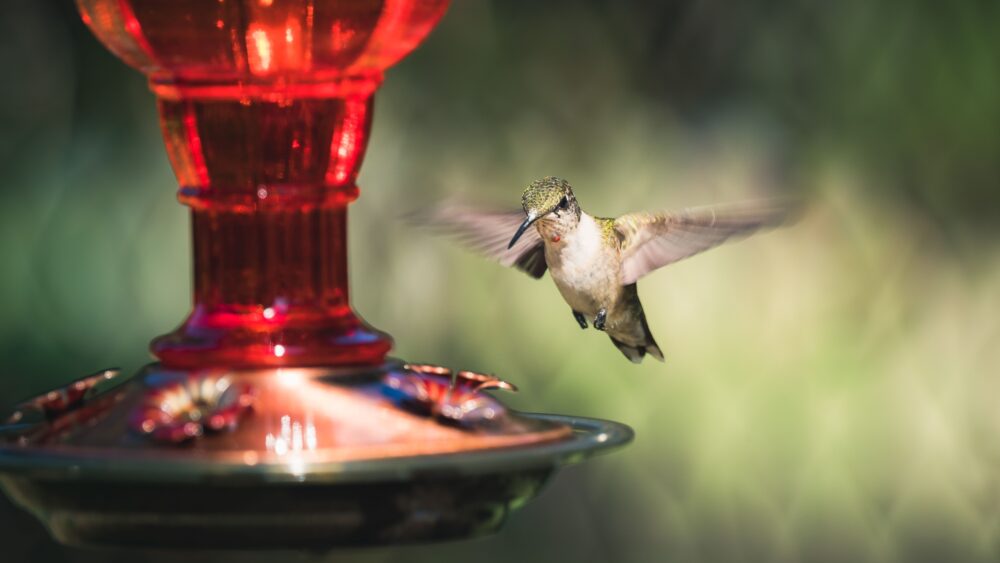
The first hummingbird visit can feel like a tiny bit of magic. One moment the garden is quiet, and the next, a jewel-colored bird is hovering inches away from a flower.
Getting hummingbirds to visit is not about buying the brightest feeder or pouring out extra-sweet nectar. The real secret is creating a reliable place where they can find food, water, shelter, and somewhere safe to rest.
Start With a Hummingbird Feeder
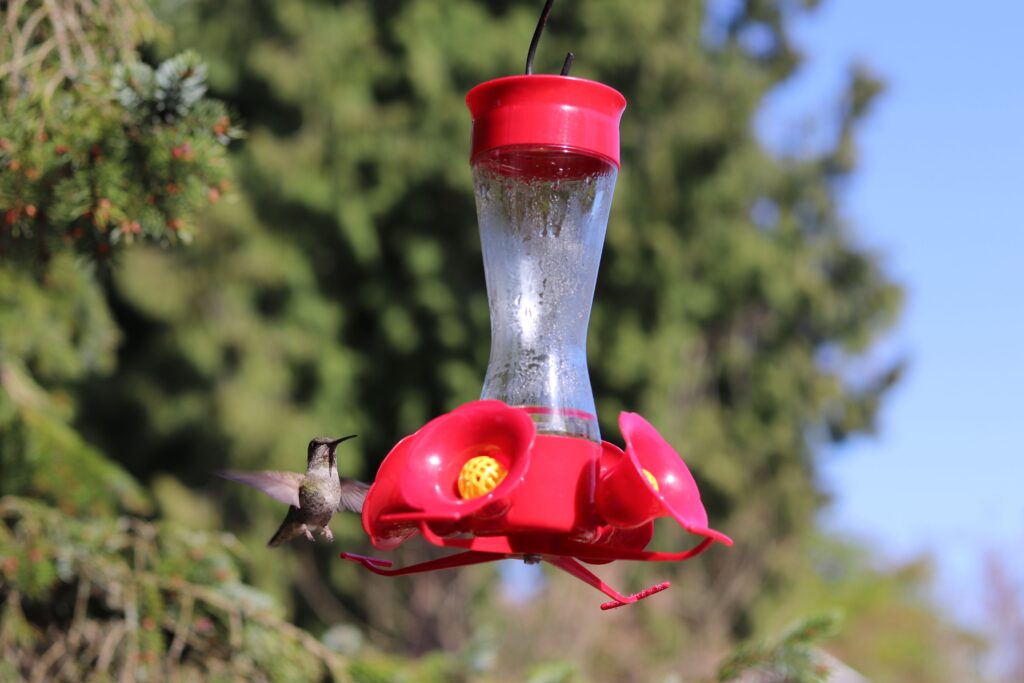
A feeder is often the fastest way to get a hummingbird’s attention, especially when few flowers are blooming nearby. You do not need a large or expensive model. A small feeder with red parts and clearly visible feeding ports is usually enough.
Choose one that comes apart easily. Sugar water can settle inside narrow spaces, so a simple feeder that can be scrubbed thoroughly is far more useful than an elaborate one that is difficult to clean. Smaller feeders are often better because the nectar is more likely to be used before it spoils.
Hang the feeder where hummingbirds can notice it, but keep it away from strong wind and harsh afternoon sun. Shade slows the spoilage of sugar water, while a protected location reduces leaking and swinging. A spot near flowers, shrubs, or small trees can also give visiting birds somewhere to perch between feedings.
Make Hummingbird Nectar the Right Way
The safest homemade hummingbird food uses only refined white table sugar and water.
Mix one part white sugar with four parts water. For example, combine 1 cup of sugar with 4 cups of water and stir until the sugar has completely dissolved. Allow the mixture to cool before filling the feeder.
Do not add red food coloring. A feeder with red flowers or red plastic parts is enough to attract attention, and natural flower nectar is clear. Honey, corn syrup, powdered sugar, artificial sweeteners, brown sugar, and raw sugar should also be avoided.
You can prepare extra nectar and keep it in the refrigerator for up to one week. Pour only a small amount into the feeder at a time, especially when you are still waiting for your first regular visitors.
Keep the Feeder Fresh and Clean
A hummingbird feeder is not something you can fill once and forget about. Sugar water can ferment, and mold or bacteria can develop quickly, particularly during warm weather.
Change the nectar every two to three days under normal conditions. During very hot weather, replace it daily. Empty and clean the feeder immediately whenever the liquid looks cloudy or you notice mold, debris, or an unusual smell.
Take the feeder apart and scrub every section, including the ports and any narrow grooves. Rinse it thoroughly before refilling it so no cleaning residue remains. A feeder that stays clean is safer for the birds and less likely to attract unwanted insects.
Plant the Flowers Hummingbirds Naturally Look For
A feeder may bring a hummingbird into the yard, but flowers give it a reason to keep returning. A garden with several nectar sources is also more dependable than a feeder alone.
Hummingbirds often visit bright, tubular flowers that allow their long bills to reach nectar. Red and orange blooms are especially noticeable, although hummingbirds will feed from flowers in many colors.
Bee balm, cardinal flower, trumpet honeysuckle, hummingbird sage, scarlet sage, wild bergamot, and California fuchsia are popular examples. The best choices depend on your climate, so look for plants native to your part of the United States. Native plants usually fit local growing conditions and can provide nectar as well as the small insects hummingbirds eat.
Try to choose plants that bloom at different times. When one flower finishes, another should be opening. Planting several flowers together also creates a larger patch of color that can be easier for a passing hummingbird to notice.
You do not need a large yard. A few suitable plants in pots, hanging baskets, or window boxes can make a patio, balcony, or small porch more inviting.
Give Them Water, Perches, and Cover
A standard deep birdbath may not be especially appealing to such a tiny bird. Hummingbirds often prefer fine mist, dripping water, or droplets collected on leaves.
A small mister or gentle drip fountain can encourage them to bathe. Place it near leafy plants so the water lands on surfaces where the birds can flutter through the spray or rub against wet leaves.
Hummingbirds also spend time resting and watching their territory. Thin branches, shrubs, small trees, and exposed twigs give them places to perch between feeding trips. Keeping some dense plants nearby provides additional shelter from weather and predators.
Avoid Spraying the Yard With Pesticides
Hummingbirds do not live on nectar alone. They also catch small insects and spiders, which provide protein and other nutrients.
Heavy pesticide use can remove this natural food supply and may directly harm birds and other pollinators. Whenever possible, manage garden pests through hand removal, healthy planting practices, and other nonchemical methods.
When buying flowers, ask whether the plants have been treated with pesticides or neonicotinoids. Choosing untreated native plants helps turn the garden into a more complete hummingbird habitat rather than simply a place to hang a feeder.
Prevent Ants and Bees From Taking Over
Ants and bees are attracted to spilled or leaking sugar water. Keeping the feeder clean, tightly assembled, and out of strong wind can prevent many pest problems.
An ant moat filled with plain water can stop ants from reaching the feeder. Bee guards may help prevent bees from reaching the nectar through the feeding ports, but they will not solve the problem if sugar water is leaking across the outside of the feeder.
Avoid spraying insecticide around the feeder. Move or clean it instead. Wiping away spills and relocating the feeder a short distance can sometimes break the pattern once insects have learned where to find it.
Put Out More Than One Feeder
Hummingbirds may look delicate, but they can be surprisingly territorial. One bird may sit near a feeder and chase every other visitor away.
Several small feeders placed around the yard can attract more birds than one large feeder. Space them so a dominant hummingbird cannot easily watch every feeding station from a single perch.
Adding another feeder may also help if you see frequent chasing but very little feeding. Do not place every feeder side by side, since one bird may still attempt to control the entire area.
Put Feeders Out Before Hummingbirds Arrive
Hummingbird arrival times vary across the country. In areas where they migrate, feeders are most useful when they are ready shortly before the birds normally appear in spring.
Local bird sightings can help you estimate the right time. Audubon recommends checking regional sightings and putting feeders out roughly two weeks before the first hummingbirds are expected.
You can keep the feeder up during fall migration. Leaving nectar available does not stop hummingbirds from migrating, and late travelers may still use it after your regular summer visitors have gone. Keep the feeder clean for as long as it remains outside.
Be Patient and Stay Consistent
A new feeder may attract a hummingbird within hours, or it may sit untouched for several weeks. The timing depends on migration, nearby habitat, competition, weather, and whether hummingbirds already travel through your neighborhood.
Do not keep moving the feeder every day. Give the birds time to discover it, and make sure fresh nectar is always available. Once a hummingbird finds a dependable food source, it may return regularly and even revisit the same general area in later seasons.
Flowers often make the biggest difference when a feeder alone is being ignored. A bright patch of native blooms is more visible than one small feeding port and provides the natural nectar and insects hummingbirds need.
Common Mistakes That Keep Hummingbirds Away
Making nectar too strong will not persuade more birds to visit. Stay with the standard one-to-four sugar and water mixture rather than adding extra sugar.
Old nectar is another common problem. A feeder can look full while the liquid inside has already started to spoil. Direct sun, hot weather, dirty ports, leaking bottles, pesticides, and a lack of nearby cover can also make a yard less welcoming.
The goal is not simply to lure a hummingbird in for a quick look. It is to create a place that remains safe and useful after the bird arrives.
Start small. Hang one easy-to-clean feeder, prepare the nectar correctly, and add a few locally native flowers. Keep everything fresh, then give the birds time to find you. Once that familiar blur of wings appears, the waiting will feel completely worthwhile.