



When Can I Prune My Knock Out Roses Perfect Timing

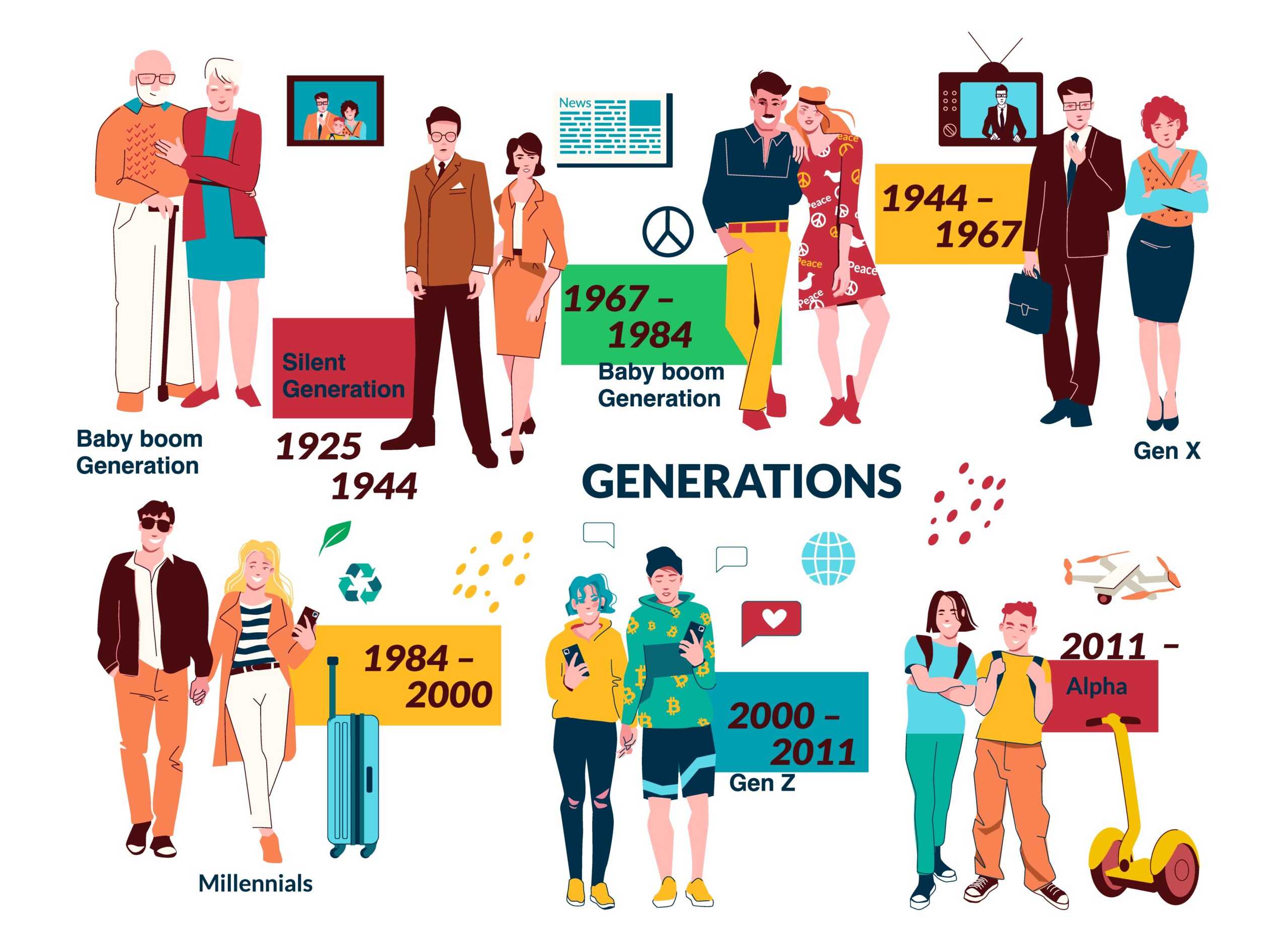
Every generation grows up in a world shaped by unique events, challenges, and cultural shifts. From global conflicts and economic booms to the rise of the internet and artificial intelligence, these shared experiences influence how people think, communicate, and view the world around them. Over time, generation names emerged as a way to describe these groups, capturing the spirit of an era and the mindset of the people who lived through it. Understanding these names offers valuable insight into why different age groups often have distinct values, habits, and perspectives.
Generation names are labels given to groups of people born within a certain time period, usually spanning 15 to 20 years. These names reflect shared experiences such as major historical events, cultural shifts, technology changes, and social movements. While birth years may vary slightly depending on the source, the core characteristics of each generation remain widely recognized.
Often called the GI Generation, this group grew up during the Great Depression and fought in World War II. They are remembered for their resilience, discipline, and strong sense of duty. Hard work, sacrifice, and loyalty were defining values, shaped by economic hardship and global conflict.
This generation came of age during World War II and the early Cold War years. They are known as “silent” because many focused on stability and conformity rather than protest. Respect for authority, strong work ethic, and cautious optimism defined their approach to life.
Named after the post–World War II baby boom, this generation experienced rapid economic growth and cultural change. Baby Boomers witnessed the rise of television, civil rights movements, and major political shifts. They are often described as ambitious, competitive, and focused on career success and personal achievement.
Generation X grew up during economic uncertainty, rising divorce rates, and the early days of personal computers. Often labeled as independent and skeptical, Gen X values self-reliance and work-life balance. They bridge the gap between analog childhoods and digital adulthood.
Millennials were the first generation to grow up alongside the internet. They experienced social media, globalization, and rapid technological change during their formative years. This generation values experiences over possessions, prioritizes purpose-driven work, and is often associated with adaptability and social awareness.

Gen Z is the first truly digital-native generation, growing up with smartphones, streaming, and social media from an early age. They are known for their creativity, inclusivity, and strong opinions on mental health, climate change, and social justice. Short-form content, memes, and online communities play a big role in their culture.
Generation Alpha is still growing up, but they are already defined by advanced technology, artificial intelligence, and smart devices. Raised by Millennials, this generation is expected to be highly tech-savvy, visually oriented, and comfortable with automation and virtual environments.
Generation names help researchers, marketers, educators, and employers understand behavior patterns and preferences. They also help individuals make sense of differences in communication styles, values, and expectations across age groups. While not every person fits perfectly into a generational box, these labels provide useful cultural context.
Generation names are more than just labels, they are snapshots of history. Each generation reflects the world it inherited and the challenges it faced while growing up. Understanding these names helps bridge generational gaps, improve communication, and appreciate how society continues to evolve. If you want, I can also turn this into a comparison chart, a kid-friendly explainer, or a fun quiz version.