
Mexico is a country full of surprises, history, flavor, and celebration. From ancient pyramids and colorful festivals to mouthwatering tacos and tropical coastlines, there’s always something fascinating to learn about this diverse and vibrant nation. It’s a place where modern life blends with rich Indigenous roots and where every region brings its own traditions, cuisine, and natural wonders.
In this article, you’ll discover 60 fun facts about Mexico across categories like geography, history, culture, food, wildlife, and more. Whether you’re a traveler, a student, or just curious, these facts are sure to entertain and educate.
Geography and Landmarks Facts
Mexico is the 13th largest country in the world
It covers nearly 2 million square kilometers—larger than any country in Central America and bigger than all of Western Europe.
It shares a border with three countries
Mexico borders the United States to the north and Guatemala and Belize to the south.
Mexico City is sinking
Built on a lakebed, the capital sinks up to 12 inches a year in some areas.
It has 34 UNESCO World Heritage Sites
From ancient ruins to colonial towns and natural reserves, Mexico ranks among the top countries for cultural treasures.
The world’s smallest volcano is in Mexico
Cuexcomate, in Puebla, is only 43 feet tall and has stairs inside it.
Mexico has deserts, jungles, mountains, and beaches
The country’s terrain is as diverse as its culture—offering everything from cacti-filled deserts to tropical rainforests.
There’s an underwater river in Mexico
In the Yucatán Peninsula, the Cenote Angelita hides a surreal, floating underwater “river” formed by layers of salt and fresh water.
Mexico has more than 6,000 miles of coastline
It borders both the Pacific Ocean and the Gulf of Mexico, making it a beach lover’s paradise.
The Great Pyramid of Cholula is the largest pyramid by volume in the world
Even larger than Egypt’s Great Pyramid of Giza, it’s mostly hidden beneath a hill.
Popocatépetl is one of Mexico’s most active volcanoes
This dramatic, snow-capped volcano is located just outside of Mexico City.
History and Ancient Civilizations Facts
Mexico is home to some of the oldest civilizations in the world
The Olmecs, Maya, Zapotecs, and Aztecs all thrived here long before Europeans arrived.
The Aztecs founded Mexico City
Originally called Tenochtitlán, it was built on a lake and had canals like Venice.
The Mayans had a sophisticated calendar system
They tracked time with incredible accuracy and predicted solar eclipses.
Teotihuacán means “City of the Gods”
This ancient city near Mexico City is home to massive pyramids built long before the Aztecs arrived.
The Spanish arrived in 1519
Hernán Cortés led the expedition that resulted in the fall of the Aztec Empire.
Mexico gained independence from Spain in 1821
After more than 300 years of colonial rule, the war for independence lasted over a decade.
Cinco de Mayo celebrates a military victory—not independence
It marks the 1862 Battle of Puebla, where Mexican forces defeated the French.
The Mexican Revolution began in 1910
It was a major social and political movement that shaped modern Mexico.
The eagle and snake on the flag come from Aztec legend
According to myth, the Aztecs were told to build their city where they saw an eagle eating a snake on a cactus.
Diego Rivera painted Mexican history
The famous muralist captured centuries of struggle and triumph on massive public walls.
Culture and Traditions Facts
Mexico has 68 official languages
Spanish is the most widely spoken, but dozens of Indigenous languages are still in use.
Day of the Dead is a joyful celebration of life
Día de los Muertos honors loved ones who have passed with altars, marigolds, and sugar skulls.
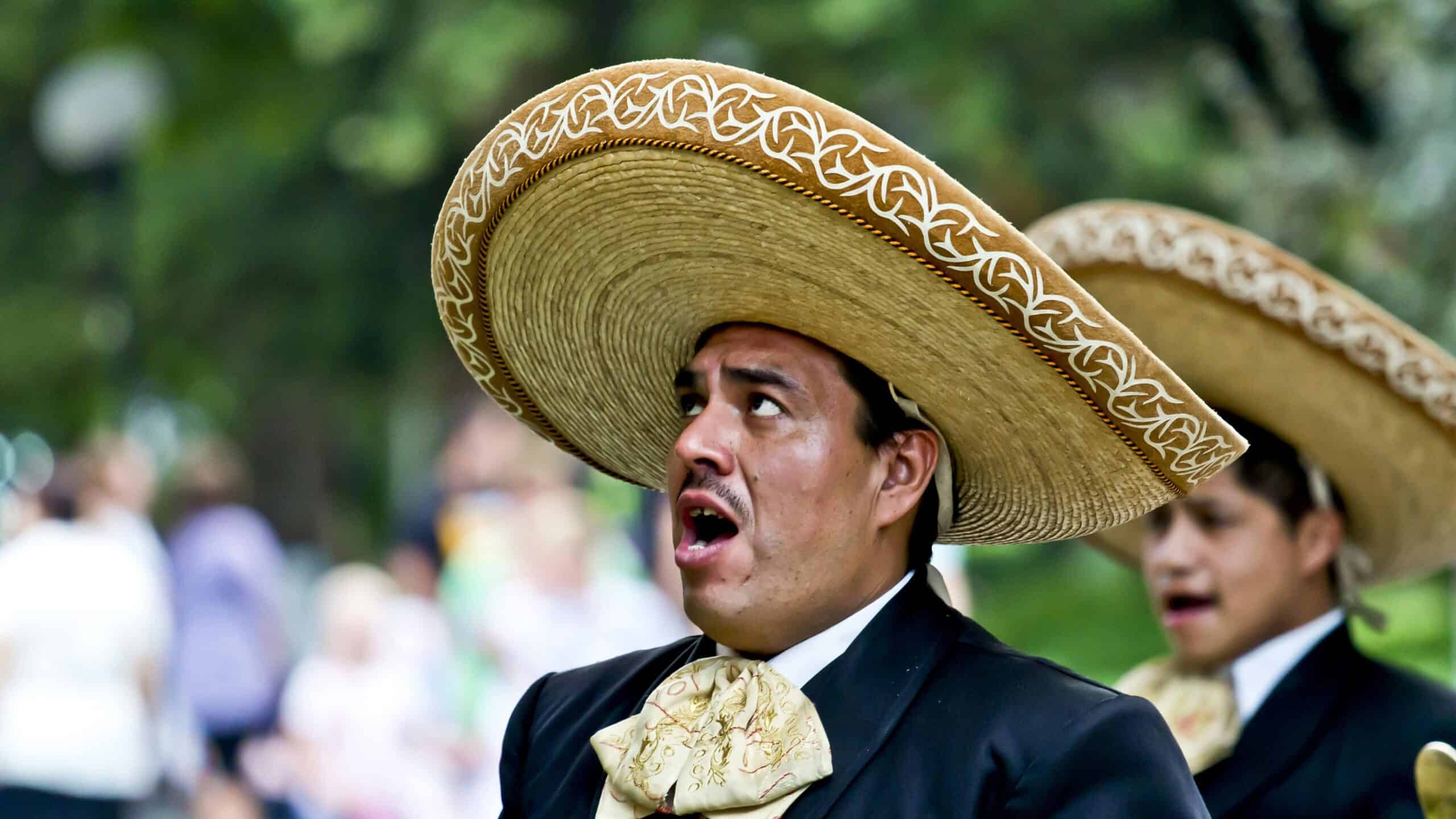
Mariachi music originated in the state of Jalisco
These lively bands with violins, trumpets, and guitars are a symbol of Mexican identity.
The piñata is a Mexican invention
Though it has global popularity, the festive, candy-filled piñata started in Mexico as a religious tradition.
The Virgin of Guadalupe is Mexico’s patron saint
She’s a central figure in Mexican Catholicism and national identity.
Mexican murals tell powerful stories
Murals often depict social justice, politics, and everyday life, especially during the post-revolutionary period.
Lucha libre is Mexican professional wrestling
Masked wrestlers, known as luchadores, perform acrobatic moves and play dramatic roles in the ring.
Quinceañeras celebrate a girl’s 15th birthday
This coming-of-age event is a big cultural milestone in many Mexican families.
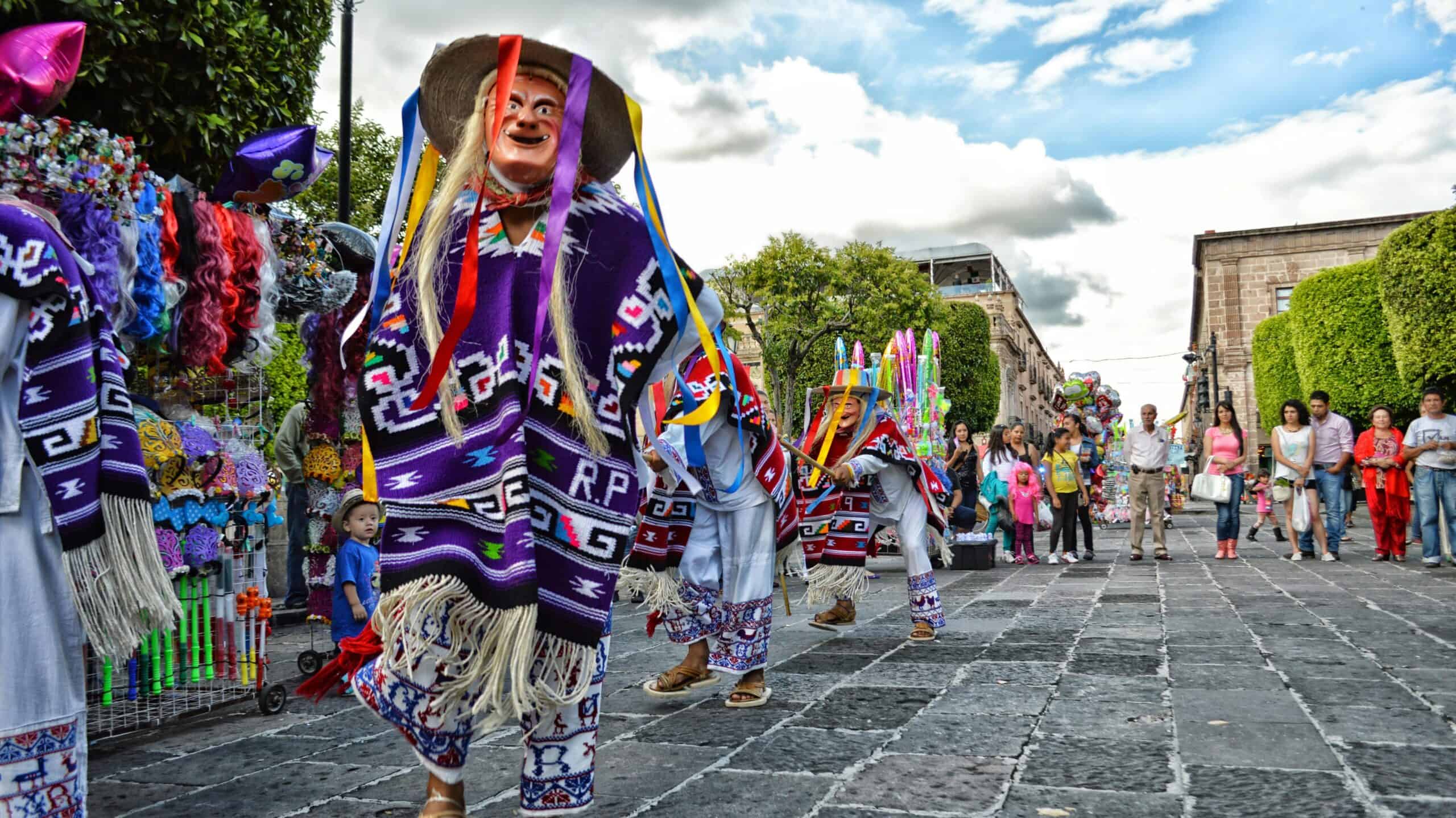
Mexican folk dance is colorful and rhythmic
Dances like Jarabe Tapatío (the “Mexican Hat Dance”) showcase cultural pride and regional styles.
The Aztec sunstone is not a calendar
Often mistaken as a calendar, it’s actually a ceremonial disk representing the cosmos.
Food and Drink Facts
Tacos were born in Mexico
From street stalls to gourmet restaurants, tacos are a staple of everyday life.
Chocolate originated in Mesoamerica
The Mayans and Aztecs drank chocolate as a bitter, spiced beverage long before it became sweet.
Corn (maize) is a sacred crop
It’s central to Mexican cuisine and mythology, with hundreds of regional varieties.
Mole is a complex sauce with dozens of ingredients
The most famous version, mole poblano, includes chocolate, chili, nuts, and spices.
Tequila is made from blue agave
Only produced in specific regions, tequila is a proud Mexican spirit with strict standards.
Mexico is also known for mezcal
This smoky cousin of tequila is made from different types of agave and has grown in popularity worldwide.
Chili peppers are a national obsession
Mexico is home to more chili varieties than any other country, from mild poblanos to fiery habaneros.
Tamales are an ancient tradition
These steamed corn dough packages date back to pre-Columbian times and come with endless fillings.
Mexican street food is a global sensation
From tacos al pastor to elotes (grilled corn), street vendors serve up delicious flavors with local flair.
Guacamole has Aztec roots
The name comes from the Nahuatl word “āhuacamolli,” meaning avocado sauce.
Modern Mexico and Pop Culture Facts
Frida Kahlo is an icon of art and identity
Her self-portraits and surrealist paintings explore pain, culture, and womanhood.
Mexico is the world’s largest producer of silver
Mines in Zacatecas and Chihuahua have been active for centuries.
It has the second-largest Catholic population
Over 80% of Mexicans identify as Catholic, influencing holidays and traditions.
Mexican telenovelas are popular worldwide
These dramatic soap operas are famous for their intense plot twists and characters.
Mexico hosts one of the largest film festivals in Latin America
The Guadalajara International Film Festival showcases regional and international cinema.
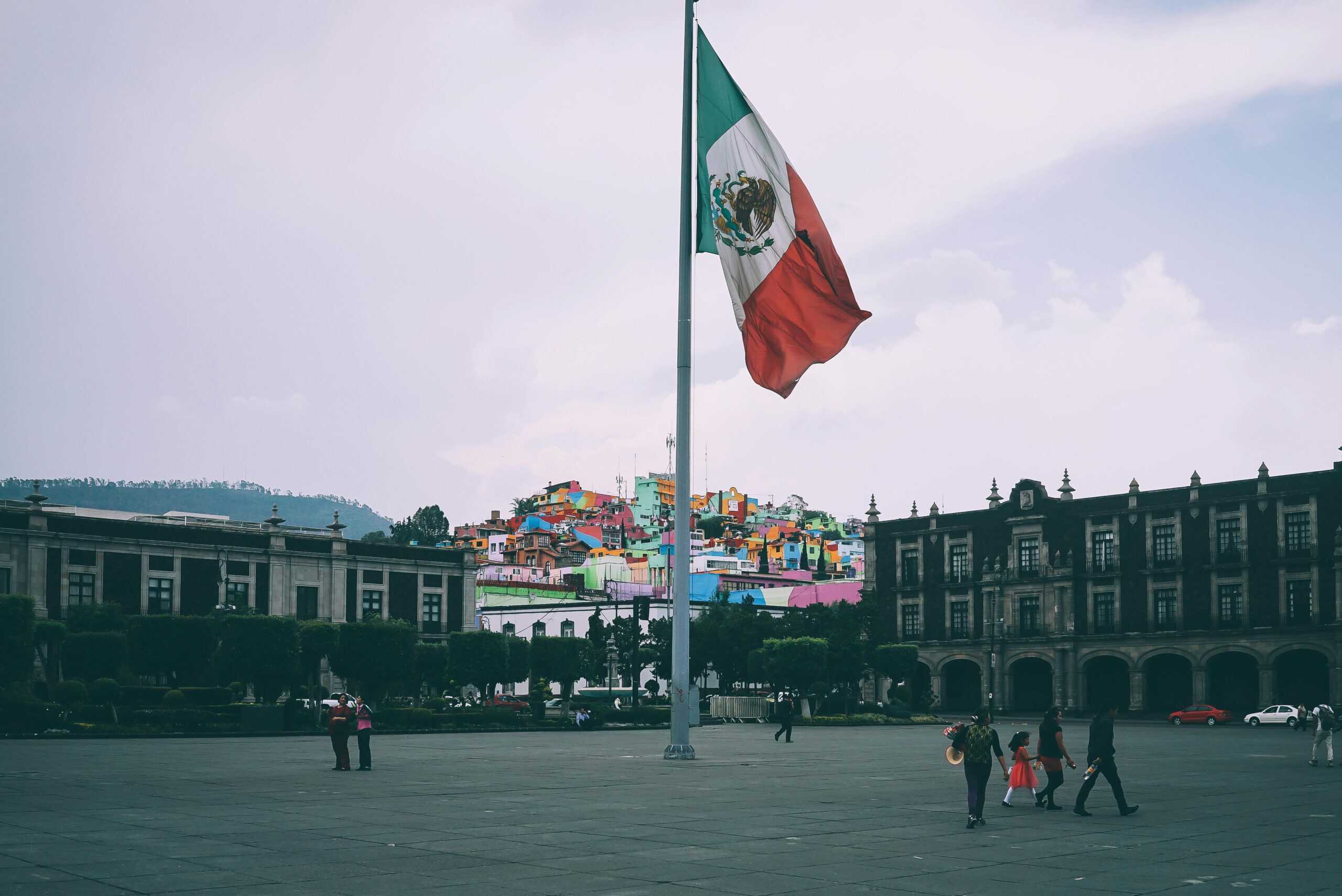
The Mexican flag has a different emblem on each side
The front shows the national coat of arms; the reverse is a mirrored image.
Mexico has over 120 million people
It’s the most populous Spanish-speaking country in the world.
The peso is Mexico’s official currency
It was once tied to silver and is now a floating currency.
Soccer (fútbol) is the most popular sport
The Mexican national team is one of the strongest in the Americas, with a passionate fan base.
Mexico has hosted the Olympics twice
The Summer Olympics were held in Mexico City in 1968 and the FIFA World Cup in 1970 and 1986.
Nature and Wildlife Facts
The Monarch butterfly migrates to Mexico every winter
Millions of butterflies travel thousands of miles from Canada to Michoacán.
Cenotes are natural sinkholes found across the Yucatán
These freshwater pools were sacred to the Maya and are popular for swimming and diving.
You can spot whale sharks off the coast of Mexico
The gentle giants gather seasonally near Isla Holbox and Baja California.
The jaguar is Mexico’s largest wild cat
It plays an important role in Indigenous mythology and conservation efforts.
Agave fields are UNESCO-recognized cultural landscapes
The blue-green spiky plants cover vast regions in Jalisco and are used for tequila and mezcal.
Mexico is a biodiversity hotspot
It ranks among the top five countries in the world for species variety in plants, reptiles, mammals, and amphibians.
Copper Canyon is larger and deeper than the Grand Canyon
Located in northern Mexico, it’s a network of six canyons with stunning views and Indigenous culture.
Mexico is home to more than 1,000 bird species
Colorful species like the resplendent quetzal and toucan can be spotted in forests and jungles.
Volcano rabbits are real—and endangered
These tiny, shy creatures live only near volcanoes in central Mexico.
The axolotl is a unique Mexican salamander
Known for its regenerative abilities and “smiling” face, it’s native to lakes near Mexico City.
As you’ve seen, Mexico is far more than beaches and burritos. It’s a nation filled with ancient civilizations, natural marvels, creative brilliance, and deep cultural pride. From the origins of chocolate to world-famous art, from volcano rabbits to mariachi music, every fact adds a new layer to Mexico’s rich identity.
Whether you’re planning a visit, brushing up on geography, or celebrating your heritage, exploring Mexico’s many wonders is a journey worth taking. Keep learning, keep exploring, and let the magic of Mexico inspire your curiosity.