
Summer is the season of abundance—long days, warm sunshine, and gardens bursting with color. It’s the perfect time to showcase nature’s brightest and boldest flowers. Whether you’re planning a vibrant flower bed, looking to attract pollinators, or simply want to enjoy fresh blooms at home, summer is a blooming paradise. Here’s your ultimate guide to flowers that bloom in summer, including their colors, fragrances, regional adaptability, and care tips.
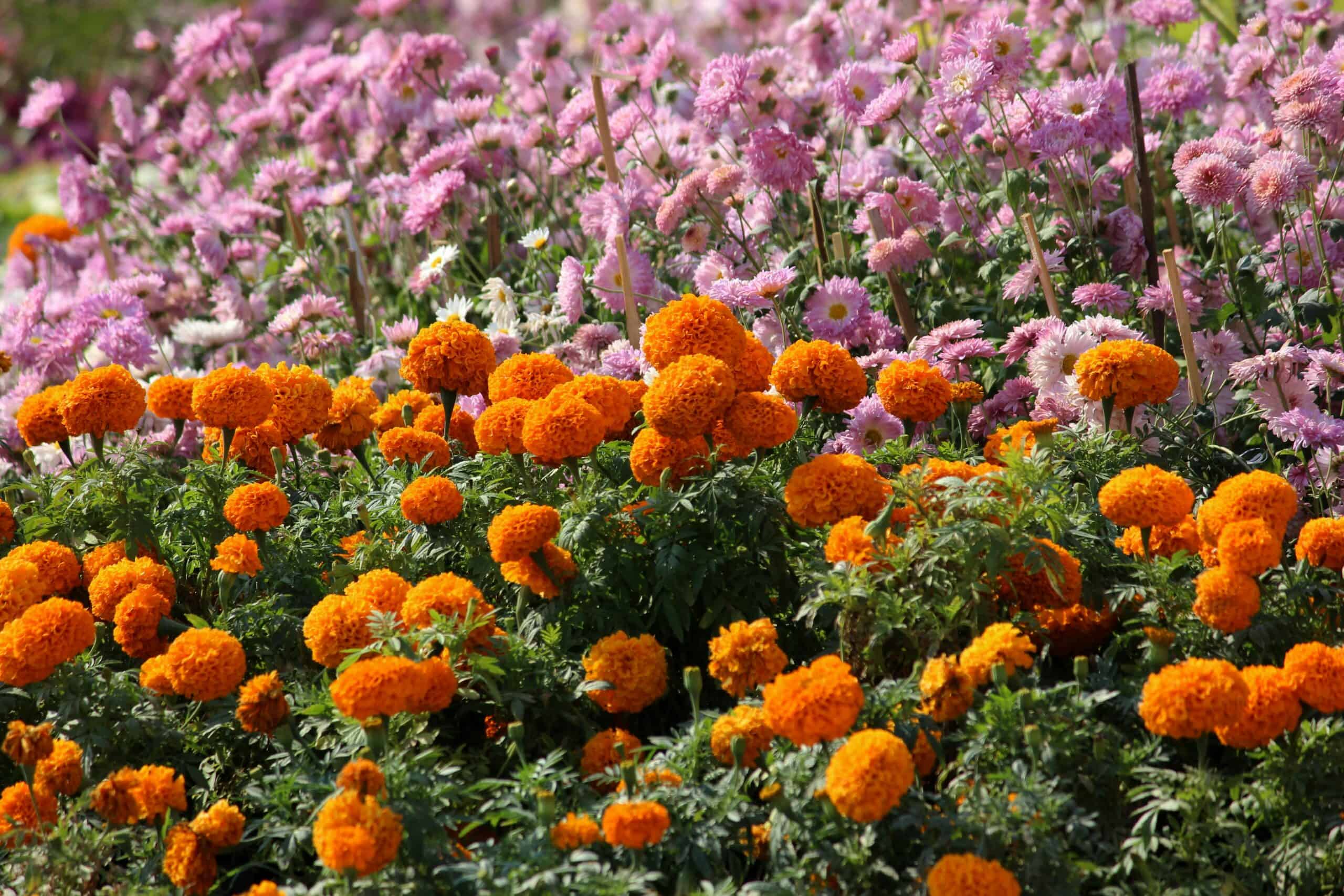
Marigold
Color: Bright yellow, orange, gold, and red
Fragrance: Earthy and musky
Region: Grows well in zones 2–11
Care Tips: Needs full sun and well-drained soil. Deadhead spent flowers to encourage more blooms.
Why it blooms in summer: Marigolds thrive in heat and sunlight, making them one of the easiest and most popular summer flowers. They also repel pests, making them perfect for companion planting.
Zinnia
Color: Every color except blue (red, pink, orange, yellow, purple, white)
Fragrance: Minimal to none
Region: Ideal for zones 3–10
Care Tips: Sow directly into garden beds in full sun. Water at the base to prevent mildew.
Why it blooms in summer: Zinnias are sun lovers and bloom profusely in warm temperatures. Their vibrant petals attract butterflies and pollinators.
Sunflower
Color: Classic yellow, red, orange, burgundy
Fragrance: Mild and earthy
Region: Hardy in zones 4–9
Care Tips: Needs full sun and regular watering. Tall varieties may require staking.
Why it blooms in summer: Sunflowers are named for their love of sunlight. They grow quickly in the summer and turn their heads to follow the sun throughout the day.
Hibiscus
Color: Red, pink, orange, yellow, white, purple
Fragrance: Lightly sweet in some varieties
Region: Best in zones 5–11 depending on species
Care Tips: Needs full sun and moist, well-drained soil. Regular watering is crucial during hot spells.
Why it blooms in summer: Tropical and hardy hibiscus varieties come alive in the heat, producing huge, showy blooms that create a tropical feel in any garden.
Black-Eyed Susan
Color: Bright yellow petals with dark brown centers
Fragrance: Mildly sweet
Region: Zones 3–9
Care Tips: Tolerates heat and drought once established. Deadhead regularly for extended bloom time.
Why it blooms in summer: These native wildflowers thrive in sunny fields and gardens, blooming from mid-summer to early fall.
Petunia
Color: Wide range—white, pink, purple, blue, red, striped
Fragrance: Light and sweet (especially at night)
Region: Grows as annual in most zones
Care Tips: Requires full sun and regular deadheading. Fertilize every 2–3 weeks.
Why it blooms in summer: Petunias flourish in the warmth, offering continuous color in containers, hanging baskets, and borders.
Lantana
Color: Multi-colored blooms in yellow, pink, orange, red, and purple
Fragrance: Fruity and pungent
Region: Zones 8–11 (annual in cooler areas)
Care Tips: Prefers full sun and well-drained soil. Drought-tolerant once established.
Why it blooms in summer: Lantana loves the heat and keeps blooming all summer long, attracting butterflies and bees.
Coneflower (Echinacea)
Color: Purple, pink, white, yellow, orange
Fragrance: Slightly honey-like
Region: Hardy in zones 3–9
Care Tips: Needs full sun and dry to medium soil. Very low-maintenance.
Why it blooms in summer: These resilient wildflowers bloom mid-summer and are great for pollinator gardens.
Salvia
Color: Blue, purple, red, pink, white
Fragrance: Herbal or minty (depends on variety)
Region: Zones 4–10 depending on species
Care Tips: Full sun and well-draining soil. Remove faded blooms to encourage more flowers.
Why it blooms in summer: Salvia thrives in warm weather and is a magnet for hummingbirds and butterflies.
Geranium
Color: Red, pink, salmon, white, violet
Fragrance: Leaves often have a spicy, citrus scent
Region: Grown as annuals in most zones, perennial in 10–11
Care Tips: Needs lots of sun and moderate water. Pinch back for bushier growth.
Why it blooms in summer: Geraniums love dry, sunny conditions and flower profusely when kept well-fed and pruned.
Cosmos
Color: Pink, white, magenta, orange, yellow
Fragrance: Light, vanilla-like (in some varieties)
Region: Best in zones 2–11 as annuals
Care Tips: Thrives in full sun and poor to average soil. Deadhead to encourage prolonged blooming.
Why it blooms in summer: Cosmos love warm temperatures and long days. Their drought-tolerant nature makes them ideal for summer heat and poor soil conditions.
Gaillardia (Blanket Flower)
Color: Red, orange, yellow, and bi-colored
Fragrance: Mild, earthy scent
Region: Zones 3–10
Care Tips: Loves full sun and tolerates drought. Great for xeriscaping and poor soils.
Why it blooms in summer: This native wildflower is naturally adapted to hot, dry environments and produces continuous blooms through the hottest months.
Verbena
Color: Purple, pink, red, white, blue
Fragrance: Mild and pleasant
Region: Hardy in zones 7–11; grown as annual elsewhere
Care Tips: Requires full sun and well-draining soil. Ideal for hanging baskets and ground covers.
Why it blooms in summer: Verbena flourishes in hot, sunny locations, producing vibrant clusters of blooms with minimal water requirements.
Coreopsis (Tickseed)
Color: Yellow, red, orange, or bicolored
Fragrance: Lightly sweet
Region: Zones 4–9
Care Tips: Prefers full sun and tolerates poor soil. Deadhead to promote more blooms.
Why it blooms in summer: Its heat tolerance and ability to thrive in less fertile soils make coreopsis a prolific bloomer throughout the summer season.
Cleome (Spider Flower)
Color: White, pink, purple
Fragrance: Subtle, musky scent
Region: Annual in most zones
Care Tips: Needs full sun and well-drained soil. Space well due to its tall, airy growth.
Why it blooms in summer: Cleome blooms in response to long daylight hours and heat, making it a classic choice for mid-to-late summer gardens.
Globe Amaranth (Gomphrena)
Color: Purple, pink, white, red, orange
Fragrance: Minimal
Region: Grown as annual in zones 2–11
Care Tips: Heat- and drought-tolerant. Great for borders and dried flower arrangements.
Why it blooms in summer: This flower thrives in dry, sunny conditions, opening bright, clover-like blooms throughout the hottest months.
Tithonia (Mexican Sunflower)
Color: Bright orange or red
Fragrance: Light and fresh
Region: Zones 5–10 (annual)
Care Tips: Needs full sun and tolerates poor soil. Attracts butterflies and hummingbirds.
Why it blooms in summer: Native to Mexico, Tithonia is adapted to intense heat and sun, producing vivid blooms in peak summer.
Scabiosa (Pincushion Flower)
Color: Blue, lavender, pink, white
Fragrance: Mildly sweet
Region: Zones 3–7 (perennial); annual elsewhere
Care Tips: Prefers full sun and well-drained soil. Great for cut flowers and pollinator gardens.
Why it blooms in summer: This long-blooming perennial starts flowering in early summer and thrives in consistent sun and warmth.
Portulaca (Moss Rose)
Color: Pink, yellow, orange, red, white
Fragrance: Minimal
Region: Zones 2–11 (annual)
Care Tips: Needs full sun and sandy, well-drained soil. Very drought-tolerant and low maintenance.
Why it blooms in summer: Portulaca is a succulent that thrives in heat and sun, opening its blooms each morning during the warmest part of the year.
Nicotiana (Flowering Tobacco)
Color: White, pink, red, lime green
Fragrance: Strong and sweet, especially in the evening
Region: Zones 10–11; grown as annual elsewhere
Care Tips: Plant in full sun to part shade. Evening fragrance makes it ideal for moon gardens.
Why it blooms in summer: Nicotiana blooms during long summer days and releases its powerful fragrance in the warm evenings, often attracting night pollinators.
Maintaining Summer Flowers in Different Climates
- Hot, Arid Climates: Choose drought-tolerant varieties like lantana, zinnias, and salvia. Use mulch to retain moisture. Water deeply but infrequently.
- Humid Regions: Watch for fungal issues—choose airier, mildew-resistant plants like coneflowers and marigolds. Space plants to allow airflow.
- Cooler Zones: Opt for fast-growing annuals like petunias and sunflowers that can take advantage of the shorter growing season. Start seeds indoors if needed.
- Tropical Regions: Take advantage of heat-loving flowers like hibiscus and cosmos. Keep soil enriched and well-drained.
Using Summer Flowers in Home Décor
- Create vibrant floral arrangements with zinnias, sunflowers, and geraniums.
- Use petunias or lantana in hanging baskets on patios or balconies.
- Float hibiscus or marigolds in bowls for a tropical table centerpiece.
- Dry coneflowers and salvia for long-lasting dried bouquets or crafts.
Flowers that bloom in summer bring bold color, texture, and life to every corner of your garden or home. From heat-tolerant wildflowers to bright tropical stunners, these blooms celebrate the warmth and sunshine of the season. With the right care and thoughtful selection, you can enjoy a thriving, colorful oasis all summer long.