


- FOOD
Nutrition Facts for Fun Size Snickers in Quick Detail
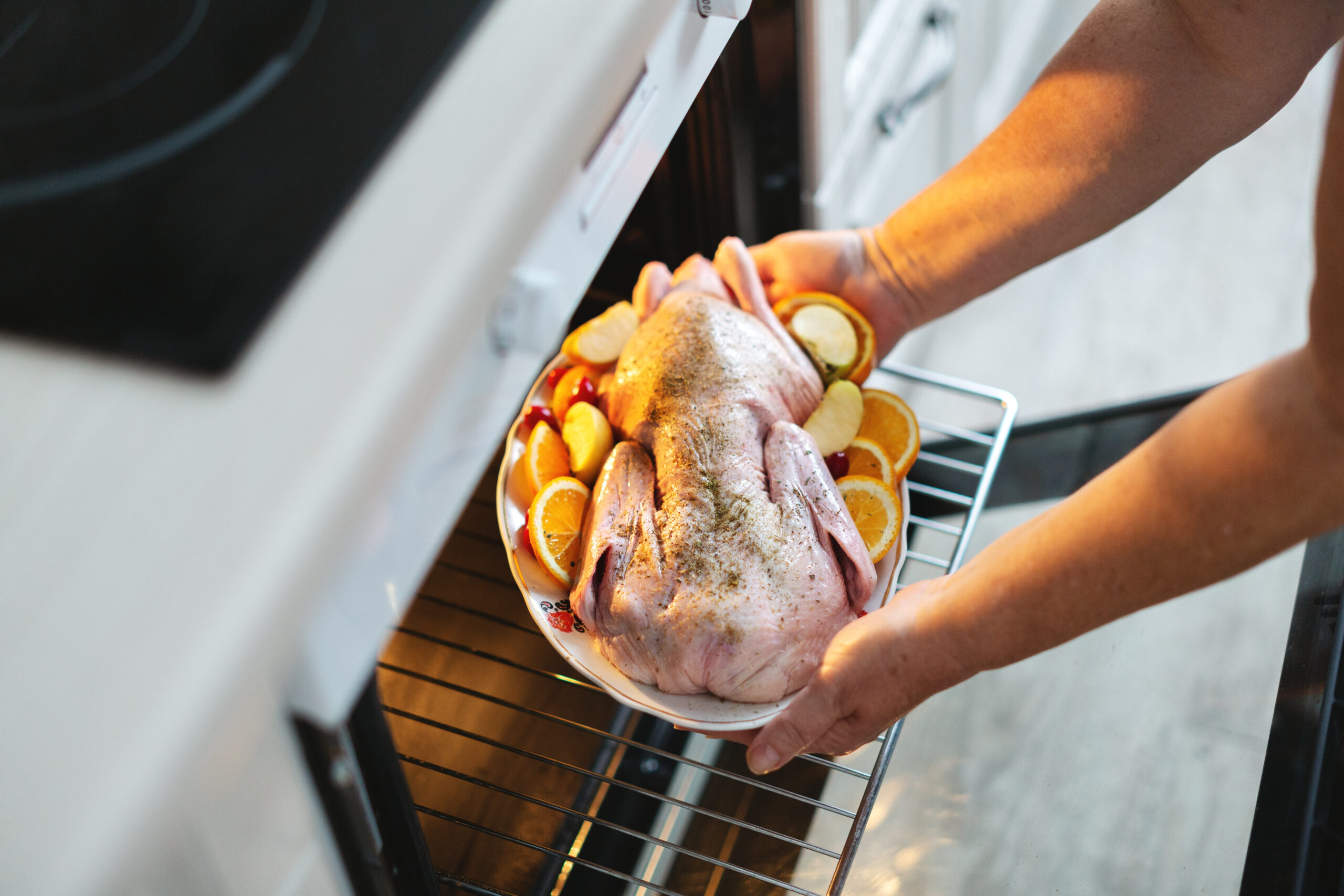
Cooking turkey breast down is a method that has intrigued home cooks and Thanksgiving enthusiasts alike, offering a unique approach to achieving perfectly succulent meat. This technique, while not as widely known as the traditional breast-up roasting method, has been gaining traction for its ability to deliver a moist and flavorful turkey. By flipping the bird on its head, so to speak, you allow the juices to flow directly into the breast meat, enhancing its tenderness. In this article, we will delve into the historical context of breast down cooking, explore the benefits of this method, and provide a comprehensive guide to mastering it in your own kitchen.
The practice of cooking turkey breast down is not a recent culinary innovation. Historical records suggest that this method has roots in traditional cooking practices where maximizing moisture retention was crucial, especially before the advent of modern ovens. Early cooks, lacking precise temperature control, often experimented with different positions to ensure even cooking and moisture distribution. The upside-down method was one such experiment that proved effective in yielding juicy results.
This technique saw a resurgence in popularity during the mid-20th century when home cooks began to seek alternatives to the often dry and disappointing turkey breast. As culinary knowledge expanded, so did the understanding of how positioning could affect the cooking process. This led to a renewed interest in methods that deviated from the norm, including roasting the turkey breast side down.
One of the most significant advantages of cooking a turkey breast down is the enhanced moisture retention in the breast meat. Gravity naturally draws the juices downwards, ensuring that the lean breast meat stays moist and flavorful throughout the cooking process. This method also helps prevent the breast skin from over-browning or burning, as it is shielded from direct heat.
Additionally, cooking turkey breast down can result in a more evenly cooked bird. The thighs and legs, which typically require more time to cook, are exposed to higher heat, allowing them to cook thoroughly while the breast remains protected. This balance can lead to a more harmonious texture and flavor profile across the entire turkey.
To successfully roast a turkey breast side down, follow these detailed steps:
Begin by selecting a fresh or thawed turkey of your preferred size. Pat the turkey dry with paper towels to ensure the skin crisps up nicely. Season the turkey generously with salt, pepper, and your choice of herbs and spices. Consider a dry brine or a wet brine for added flavor and moisture retention. Popular seasonings include sage, thyme, rosemary, and garlic.
Select a sturdy roasting pan with a rack that can support the turkey’s weight. The rack is essential for allowing air circulation around the bird, promoting even cooking. If a rack is unavailable, create a makeshift one using vegetables like carrots and celery to elevate the turkey.
Preheat your oven to 325°F (163°C). Place the turkey breast side down on the roasting rack. Insert a meat thermometer into the thickest part of the thigh, avoiding the bone, to monitor the turkey’s internal temperature. Roast the turkey until the thermometer reads 165°F (74°C), which typically takes about 13-15 minutes per pound.
Halfway through the cooking time, consider flipping the turkey to breast side up to crisp the skin. Use kitchen towels or silicone gloves for a safe transition. Once cooked, let the turkey rest for at least 20 minutes before carving to allow the juices to redistribute.
Achieving juicy breast meat requires attention to detail and a few strategic techniques. First, ensure your turkey is adequately thawed if previously frozen. A partially frozen turkey will cook unevenly, leading to dry patches.
Brining is a highly recommended step for infusing the turkey with moisture and flavor. A simple brine solution consists of water, salt, and sugar, with optional aromatics like bay leaves and peppercorns. Allow the turkey to brine for at least 12 hours, rinsing it thoroughly before cooking.
Basting the turkey periodically can also help maintain moisture, although this step is less critical when cooking breast side down. If you choose to baste, do so quickly to prevent heat loss from the oven.
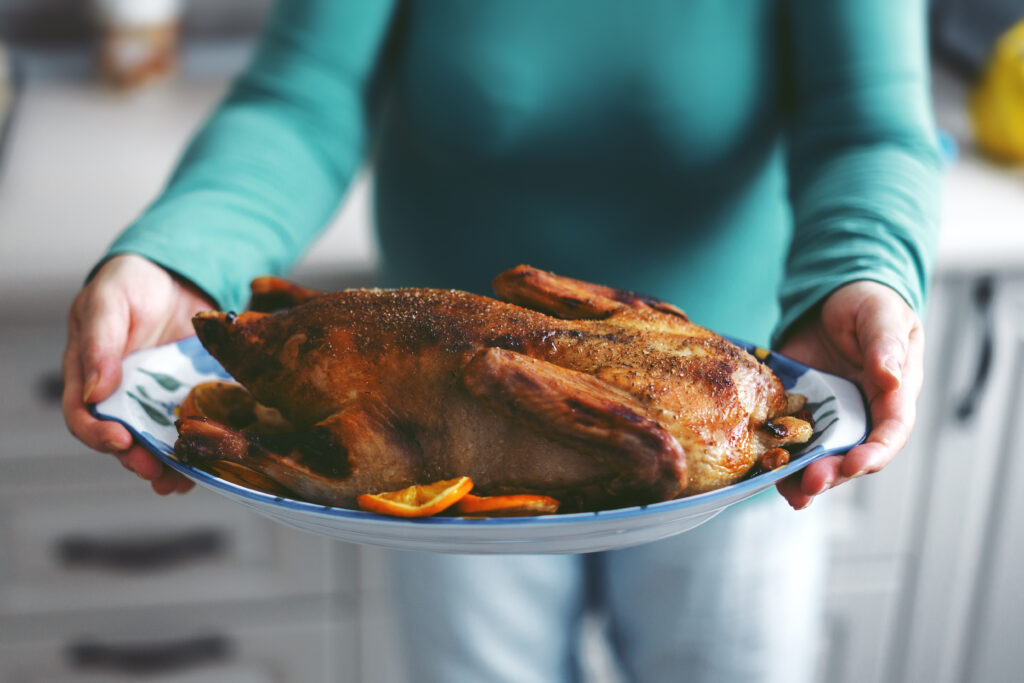
There are several misconceptions surrounding the cooking of turkey, particularly regarding the breast down method. Some believe that this technique results in an unappetizing presentation due to the lack of crispy skin on the breast. However, this can be mitigated by flipping the turkey during the final stages of roasting.
Another misconception is that breast down cooking complicates the process, making it unsuitable for novice cooks. On the contrary, this method can simplify the cooking process by reducing the risk of overcooking the breast meat. With proper preparation and attention, even beginners can achieve excellent results.
In recent years, chefs and home cooks have experimented with modern variations of the traditional turkey roast, incorporating global flavors and innovative techniques. Some have embraced spatchcocking, where the backbone is removed, and the bird is flattened for even cooking. This method can be combined with breast down roasting for a quick and efficient cook.
Others have incorporated sous-vide technology to pre-cook the turkey before finishing it in the oven for a crispy exterior. This approach allows for precise temperature control and can be adapted to the breast down method for added juiciness.
When serving a turkey cooked breast side down, consider pairing it with sides that complement its rich and savory profile. Classic options like buttery mashed potatoes, cranberry sauce, and green bean casserole are always crowd-pleasers.
For a modern twist, consider roasted root vegetables seasoned with herbs and spices that mirror those used on the turkey. A fresh, tangy salad with a citrus vinaigrette can also provide a refreshing contrast to the hearty turkey.
Ultimately, the key to a successful Thanksgiving meal lies in the harmony of flavors and textures, ensuring that each component enhances the overall dining experience.