

Best Bedding Quotes for Instagram & Home Inspiration

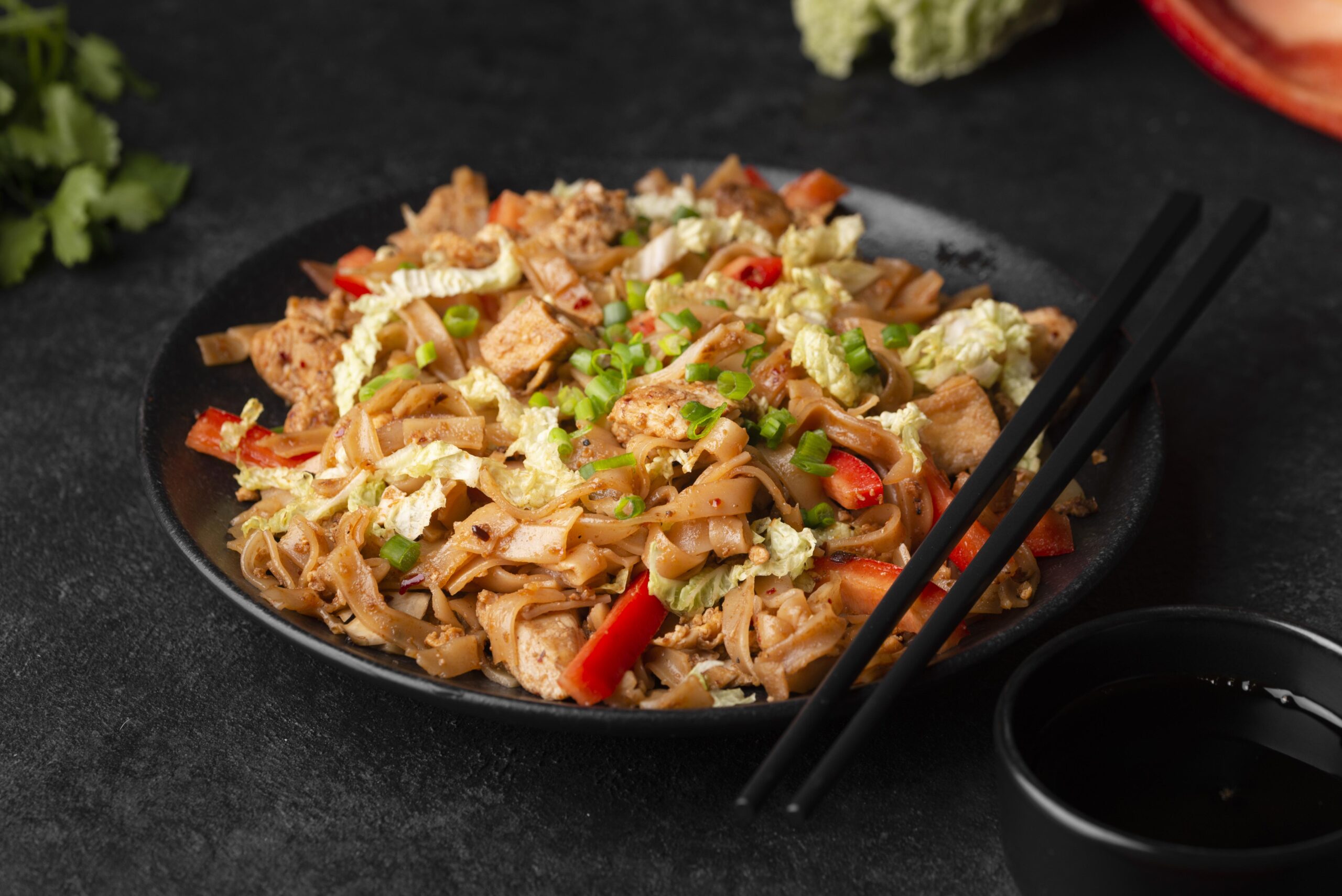
Chop suey, a dish that has captured the imagination of food enthusiasts and gamers alike, offers a delightful blend of historical intrigue and culinary diversity. This iconic dish, known for its adaptability and rich flavors, has become a staple in many households around the world. From its mysterious origins to its modern interpretations, chop suey continues to evolve, offering a unique culinary experience that combines tradition with innovation. This article delves into the essential ingredients that define chop suey, explores its historical roots, and provides insights into modern variations and nutritional benefits, all while offering practical tips for perfecting this beloved stir fry.
The historical context of chop suey is as intriguing as the dish itself. Often thought to have originated in Chinese-American communities during the late 19th century, chop suey quickly became a symbol of cultural fusion. While its exact origins are debated, with some claiming it was invented by Chinese immigrants in California and others suggesting it was a dish created for American palates, chop suey undeniably represents the blending of Eastern and Western culinary traditions.
Chop suey was initially popularized in the United States by Chinese immigrants who adapted traditional Chinese recipes to suit local ingredients and tastes. This adaptability allowed chop suey to flourish, becoming a favorite dish among Americans and eventually spreading to other parts of the world. Its name, which loosely translates to “mixed pieces” in Cantonese, perfectly encapsulates the essence of the dish—a harmonious medley of meat, vegetables, and sauces.
At the heart of chop suey lies a diverse array of ingredients that contribute to its rich and varied flavors. Traditional chop suey typically includes a combination of proteins, vegetables, and sauces, creating a dish that is both satisfying and nutritious.
Chop suey is incredibly versatile when it comes to protein choices. Common options include chicken, beef, pork, and shrimp, each bringing its own unique flavor profile to the dish. Tofu is also a popular choice for those seeking a vegetarian or vegan alternative. The protein is usually marinated in a mixture of soy sauce, garlic, and ginger before being stir-fried to perfection.
Vegetables play a crucial role in chop suey, adding texture and color to the dish. Traditional ingredients include bean sprouts, bok choy, bell peppers, and celery. These vegetables are typically stir-fried quickly to retain their crispness and vibrant color. Modern variations might also include broccoli, carrots, and snow peas, offering additional nutritional benefits and flavors.
The sauce is what ties the dish together, providing a savory and umami-rich flavor that complements the ingredients. Soy sauce is a staple in chop suey, often combined with oyster sauce for added depth. Some recipes may also include hoisin sauce or a splash of rice wine for a hint of sweetness and acidity.
As chop suey has gained popularity worldwide, modern variations have emerged, reflecting regional tastes and ingredient availability. These adaptations have allowed chop suey to remain relevant and exciting for contemporary palates.
One popular variation is the use of different proteins such as duck or seafood, which adds a luxurious twist to the traditional recipe. Additionally, some cooks experiment with different types of noodles or rice, providing a new texture and base for the dish. For those seeking a healthier option, whole grain noodles or brown rice can be used to boost the nutritional profile.
Fusion versions of chop suey incorporate flavors from other cuisines, such as adding curry powder for a spicy kick or incorporating Mediterranean spices for a unique twist. These creative adaptations highlight the versatility of chop suey and its ability to evolve with changing culinary trends.
Sauces are integral to the flavor profile of chop suey, transforming simple ingredients into a cohesive and delicious dish. Understanding the role of each sauce can help home cooks elevate their chop suey to new heights.
Soy sauce is the cornerstone of chop suey, providing a salty and savory base that enhances the natural flavors of the ingredients. Light soy sauce is typically used for its mild flavor, while dark soy sauce can be added for a richer color and deeper taste.
Oyster sauce adds a sweet and savory depth that complements the umami notes of soy sauce. It is made from oyster extracts and is a key ingredient in many Asian dishes, including chop suey. Its thick consistency helps to bind the ingredients together, creating a luscious coating.
Other sauces and seasonings can be used to customize chop suey to personal preferences. Hoisin sauce offers a sweet and tangy flavor, while sesame oil adds a nutty aroma. A splash of rice wine or vinegar can introduce a subtle acidity, balancing the richness of the dish.
American chop suey, distinct from its Chinese counterpart, represents another fascinating chapter in the dish’s history. This version is more akin to a pasta dish, featuring ground beef, macaroni, and a tomato-based sauce. It became popular in the mid-20th century as a simple, comforting meal that could feed a family on a budget.
Today, American chop suey continues to be a nostalgic favorite, often served at potlucks and family gatherings. Variations might include the addition of cheese, bell peppers, or different types of pasta, reflecting regional preferences and creativity. Despite its differences from traditional chop suey, this version shares the same spirit of adaptability and cultural fusion.
Chop suey is not only delicious but also offers a range of nutritional benefits, making it a balanced meal option for health-conscious individuals. The combination of proteins, vegetables, and sauces provides essential nutrients that support overall well-being.
Proteins such as chicken and tofu are excellent sources of lean protein, supporting muscle growth and repair. Vegetables like bok choy and bell peppers are rich in vitamins and antioxidants, promoting a healthy immune system and reducing inflammation. The use of sauces like soy and oyster sauce can enhance the flavor without the need for excessive salt or unhealthy fats.
For those looking to maximize the nutritional value of chop suey, incorporating whole grains and a variety of colorful vegetables can provide additional fiber, vitamins, and minerals. This approach not only boosts health benefits but also adds complexity and depth to the dish.
Creating the perfect chop suey requires attention to detail and an understanding of the stir-fry technique. Here are some tips to ensure your dish is both flavorful and visually appealing.
Before cooking, ensure all ingredients are prepped and ready to go. Chop vegetables uniformly for even cooking, and marinate proteins in advance to infuse them with flavor. Having everything prepared will make the cooking process smoother and more efficient.
Stir-frying is all about cooking quickly at high heat. Use a wok or large frying pan to ensure even heat distribution. This technique helps to sear the ingredients, locking in their natural flavors and maintaining their texture.
Start by cooking the protein first, then remove it from the pan before stir-frying the vegetables. This approach prevents overcooking and ensures each component retains its integrity. Add the sauces towards the end, allowing them to coat the ingredients without becoming too thick or reduced.
For those looking to experiment with chop suey, there are countless ways to introduce creative twists while maintaining the dish’s essence. Consider incorporating seasonal vegetables or experimenting with different protein sources to keep the dish exciting.
For a fusion approach, try adding spices from other cuisines, such as cumin or paprika, to create a unique flavor profile. Alternatively, serve chop suey over a bed of quinoa or farro instead of rice or noodles for a modern, health-conscious take.
These creative adaptations not only keep chop suey fresh and exciting but also celebrate its history of innovation and cultural exchange. Whether sticking to tradition or exploring new flavors, chop suey remains a beloved dish that continues to inspire culinary creativity.