


- LIFE
Maja Blanca Recipe Creamy Perfection Made Simple
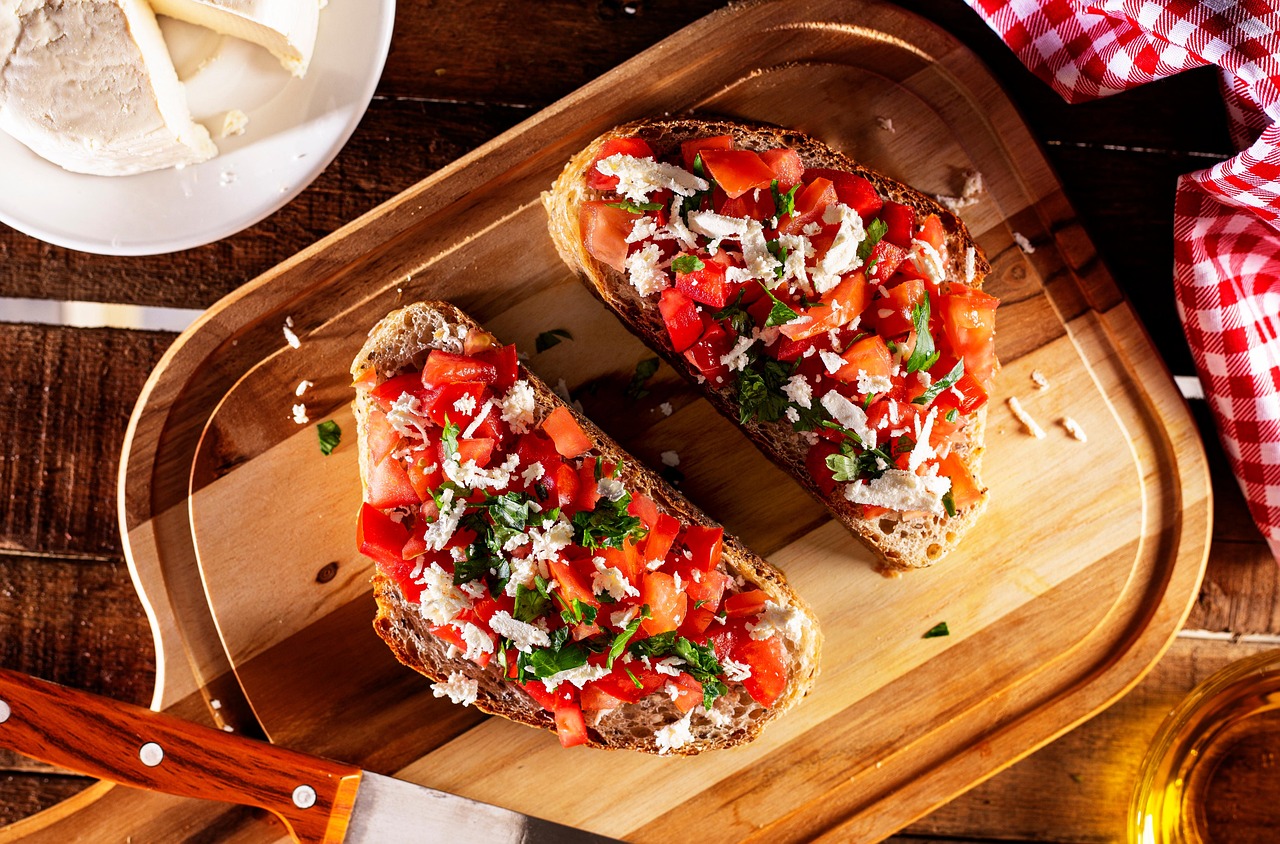
Bruschetta, a delightful Italian appetizer, captures the essence of simple yet flavorful cuisine. With its roots deeply embedded in tradition, this dish combines the freshness of tomatoes, the richness of olive oil, and the aromatic allure of basil atop perfectly toasted bread. Whether you’re a seasoned cook or a culinary novice, mastering the art of bruschetta is both rewarding and straightforward. This guide will walk you through essential techniques, exciting variations, and practical tips for storing and reheating your creations, ensuring you can enjoy bruschetta at its best.
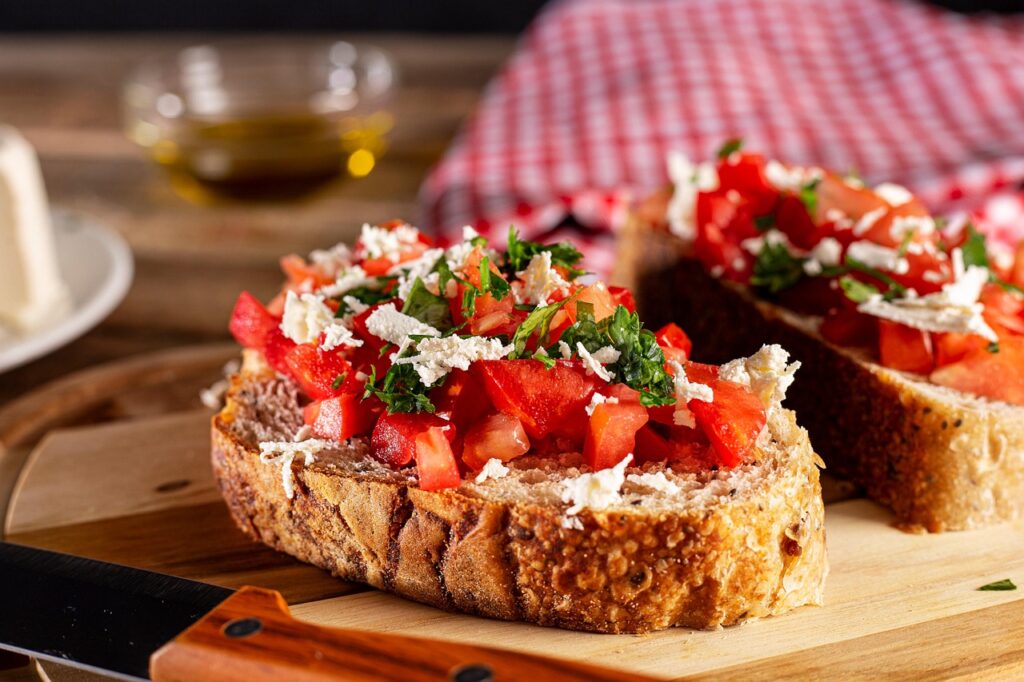
The key to an exceptional bruschetta lies in the quality of its ingredients. Selecting ripe tomatoes, fragrant basil, and premium olive oil will greatly enhance the flavor profile of your dish.
Opt for ripe, juicy tomatoes, such as Roma or heirloom varieties, which provide a robust flavor and ideal texture. Cherry tomatoes can also be used for a sweeter taste.
Fresh basil leaves are crucial for adding a fragrant, herbaceous note. Tear them gently to release their natural oils and enhance their aroma.
Choose extra virgin olive oil for its rich, fruity taste. It not only enhances flavor but also contributes to the dish’s authentic Italian character.
A rustic Italian or French loaf is ideal. The bread should be sturdy enough to hold the toppings without becoming soggy.
Preparing the tomato mixture is a simple yet crucial step in crafting the perfect bruschetta. Follow these steps to ensure your topping is bursting with flavor.
Dice the tomatoes into small, uniform pieces to ensure even distribution on the bread. A sharp knife will help maintain the tomatoes’ integrity and prevent bruising.
Combine the diced tomatoes with olive oil, salt, and freshly ground black pepper. Let the mixture sit for at least 15 minutes to allow the flavors to meld.
Mince garlic finely and stir it into the tomato mixture. Adjust the quantity based on your personal preference for garlic’s pungency.
The selection of olive oil can significantly impact the overall taste of your bruschetta. Here’s how to choose the best option for your dish.
Extra virgin olive oil is the gold standard for bruschetta. Its unrefined nature retains the natural flavors and aromas of the olives, providing a superior taste. When selecting olive oil, look for options that are cold-pressed and have a fruity, peppery finish. Avoid oils that are overly processed or have a neutral flavor, as they can diminish the dish’s authenticity.
The bread’s texture is fundamental to a satisfying bruschetta experience. Proper toasting ensures a crispy exterior that complements the soft tomato topping.
Cut the bread into 1/2-inch thick slices. Brush each side lightly with olive oil to promote even browning and enhance flavor.
Grill the bread slices on a preheated grill or broil them in the oven until golden and crisp, about 2-3 minutes per side. Watch closely to prevent burning.
While still warm, rub each slice with a cut garlic clove to impart a subtle garlic essence.
While the classic tomato bruschetta is a timeless favorite, experimenting with variations can introduce exciting new flavors and textures. Here are five creative recipes to try.
Combine diced mozzarella with the tomato mixture for a creamy contrast. Add a drizzle of balsamic glaze for a tangy finish.
Mix ripe avocado cubes with the tomatoes. The creamy avocado adds richness, making this variation both satisfying and nutritious.
Sauté mushrooms with thyme and garlic until golden. Layer them over the tomato mixture for an earthy, savory twist.
Incorporate roasted red peppers into the tomato mixture for a smoky, sweet flavor. Garnish with crumbled feta cheese for added depth.
Top the tomato mixture with thin slices of prosciutto and fresh figs. This sweet and salty combination offers a sophisticated flavor profile.
Balsamic vinegar can elevate your bruschetta, adding a sweet and tangy dimension that complements the tomatoes beautifully.
To incorporate balsamic vinegar, drizzle a small amount over the finished bruschetta or mix a few drops into the tomato mixture. For a more pronounced flavor, consider reducing the vinegar to create a balsamic glaze, which can be artfully drizzled over the assembled bruschetta.
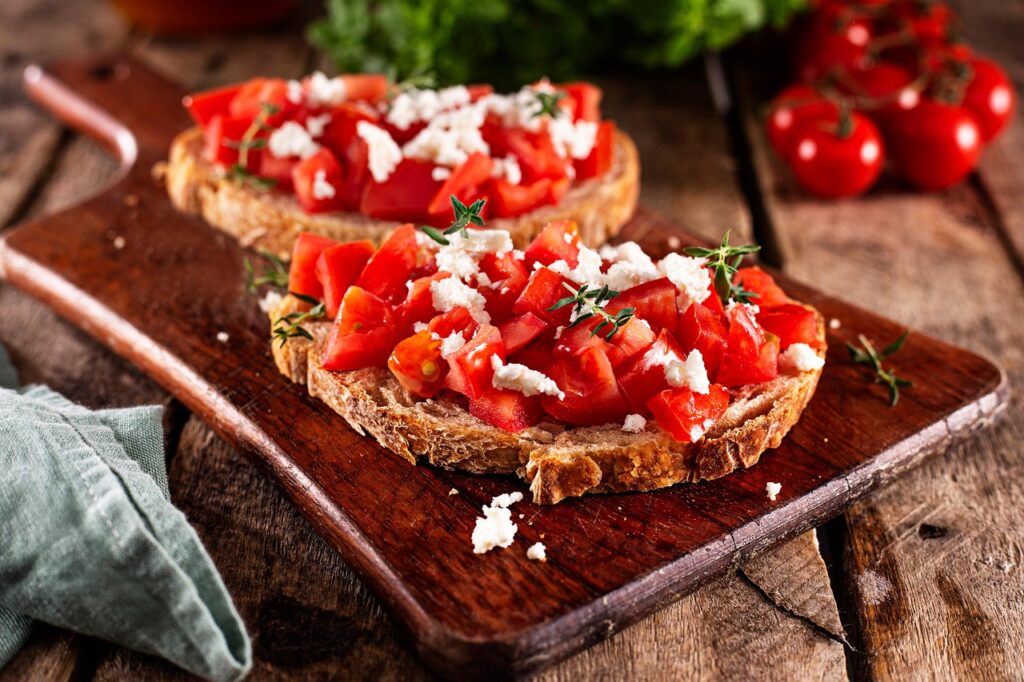
Proper storage is essential to maintain the freshness and flavor of your bruschetta components.
Store the tomato mixture in an airtight container in the refrigerator for up to two days. Stir before using to redistribute the juices and flavors.
Keep the toasted bread in a sealed container at room temperature for up to one day. Avoid refrigerating, as this can make the bread stale.
Freezing bruschetta can be tricky, but it’s possible to preserve its components separately for future enjoyment.
Portion the tomato mixture into small freezer-safe containers or bags. Remove as much air as possible before sealing to prevent freezer burn. Freeze for up to three months.
Wrap each slice of toasted bread in plastic wrap, then place in a freezer bag. Freeze for up to two months. Thaw at room temperature before using.
Reheating bruschetta requires careful attention to maintain its texture and flavor.
Allow the frozen tomato mixture to thaw in the refrigerator overnight. Stir well before using to ensure even flavor distribution.
Reheat the bread in a preheated oven at 350°F (175°C) for about 5 minutes to restore its crispness. Avoid microwaving, as it can make the bread chewy.
Bruschetta is a versatile dish that can be enjoyed in various settings, from casual gatherings to elegant dinners.
Serve bruschetta as an appetizer at parties or as a light lunch accompanied by a green salad. It also makes a delightful addition to an antipasto platter, alongside cured meats and cheeses. For a unique brunch option, pair bruschetta with poached eggs and a glass of crisp white wine.
Even seasoned cooks can encounter issues when making bruschetta. Here are some common mistakes and how to fix them.
If the bread becomes soggy, it’s often due to excess tomato juices. Drain the tomato mixture slightly before topping the bread.
Ensure you’re using high-quality ingredients and season the tomato mixture adequately with salt and pepper.
If the garlic flavor is too strong, reduce the amount used or switch to roasted garlic for a milder taste.
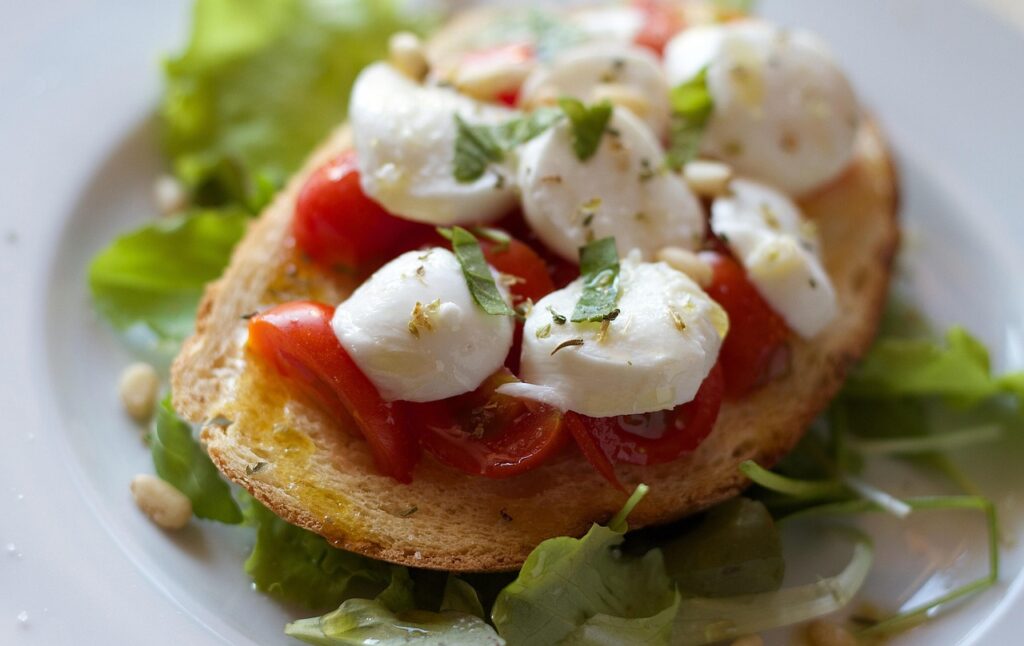
Enhance your bruschetta with creative toppings that add depth and complexity to the dish.
Goat cheese offers a tangy, creamy contrast to the tomatoes. Spread a thin layer on the bread before adding the tomato mixture. Other additions like sun-dried tomatoes, olives, or artichoke hearts can introduce new flavors and textures, allowing you to personalize your bruschetta to your taste.
Fresh basil is a hallmark of traditional bruschetta, providing a fragrant, herbal note that elevates the dish.
To maximize its flavor, add basil just before serving. Tear the leaves by hand rather than cutting them with a knife, which can cause bruising and discoloration. For an extra burst of freshness, consider using a basil chiffonade, which involves rolling the leaves and slicing them into thin strips.
The choice between cherry tomatoes and regular tomatoes can influence the sweetness and texture of your bruschetta.
Cherry tomatoes are typically sweeter and have a firmer texture, making them ideal for a fresh, vibrant topping. Regular tomatoes, such as Roma or heirloom varieties, offer a more balanced flavor and juicier consistency. Choose based on your personal preference and the desired outcome of your bruschetta.